
When outdoor adventure embraces a slower pace

“In the province of Trento there is a network of footpaths, through the mountains and at high altitudes, that certainly counts among the finest, most complete and well-arranged in the Alps. Situated for the most part above both the treeline and the high pastures, it forms part of the complex network of mule tracks and little trails and routes carved out over the centuries, in part by local foresters and shepherds – or, more recently, by the public authorities – to satisfy the primary needs of those living in the mountains.”
These words, spoken some fifty years ago by Elio Caola, former forestry manager and ex-chairman of SAT (Società Alpinisti Trentini – the Society of Trentino Mountaineers), today a key figure in the promotion of culture and knowledge of the region – briefly describe the evolution of trails in Trentino.
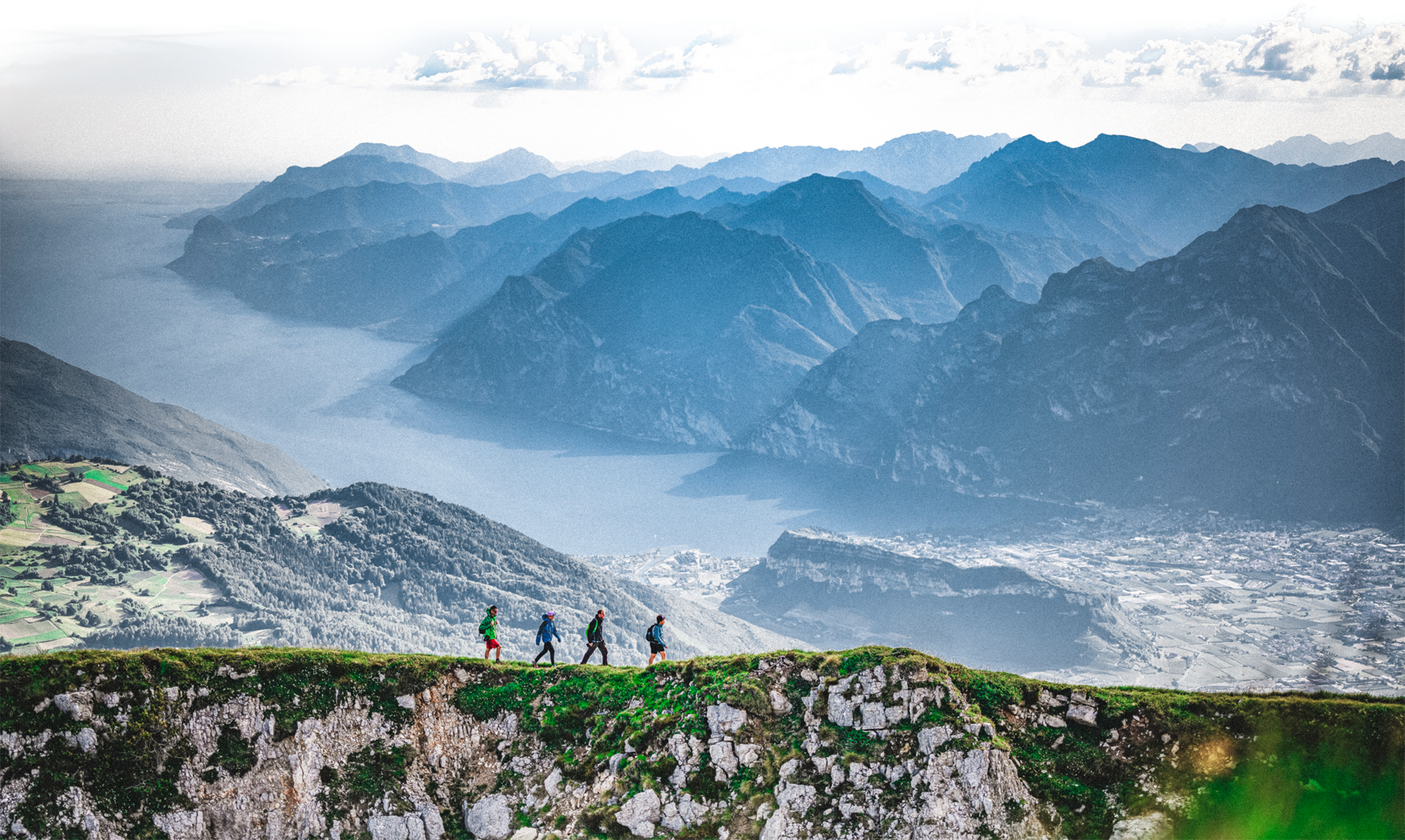
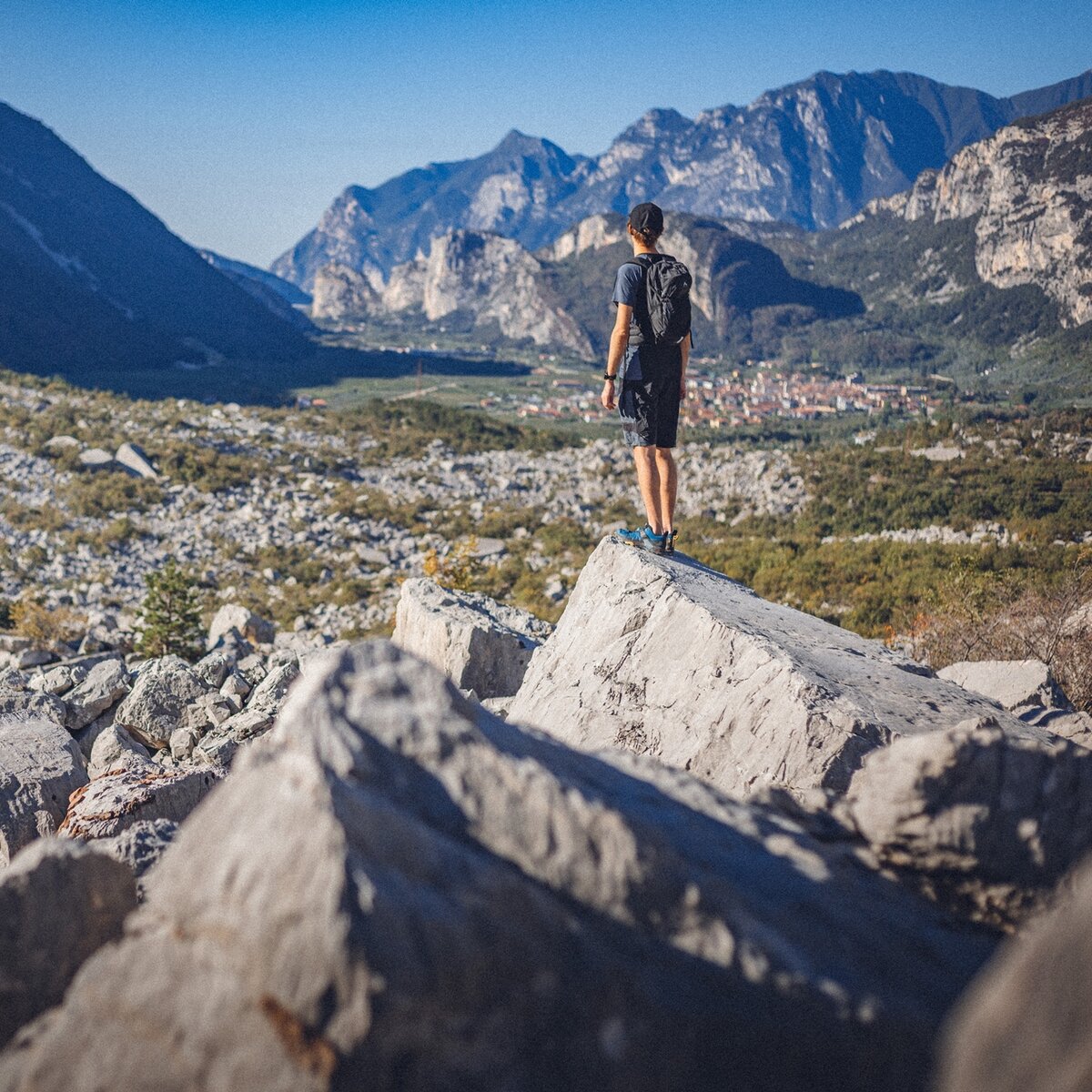
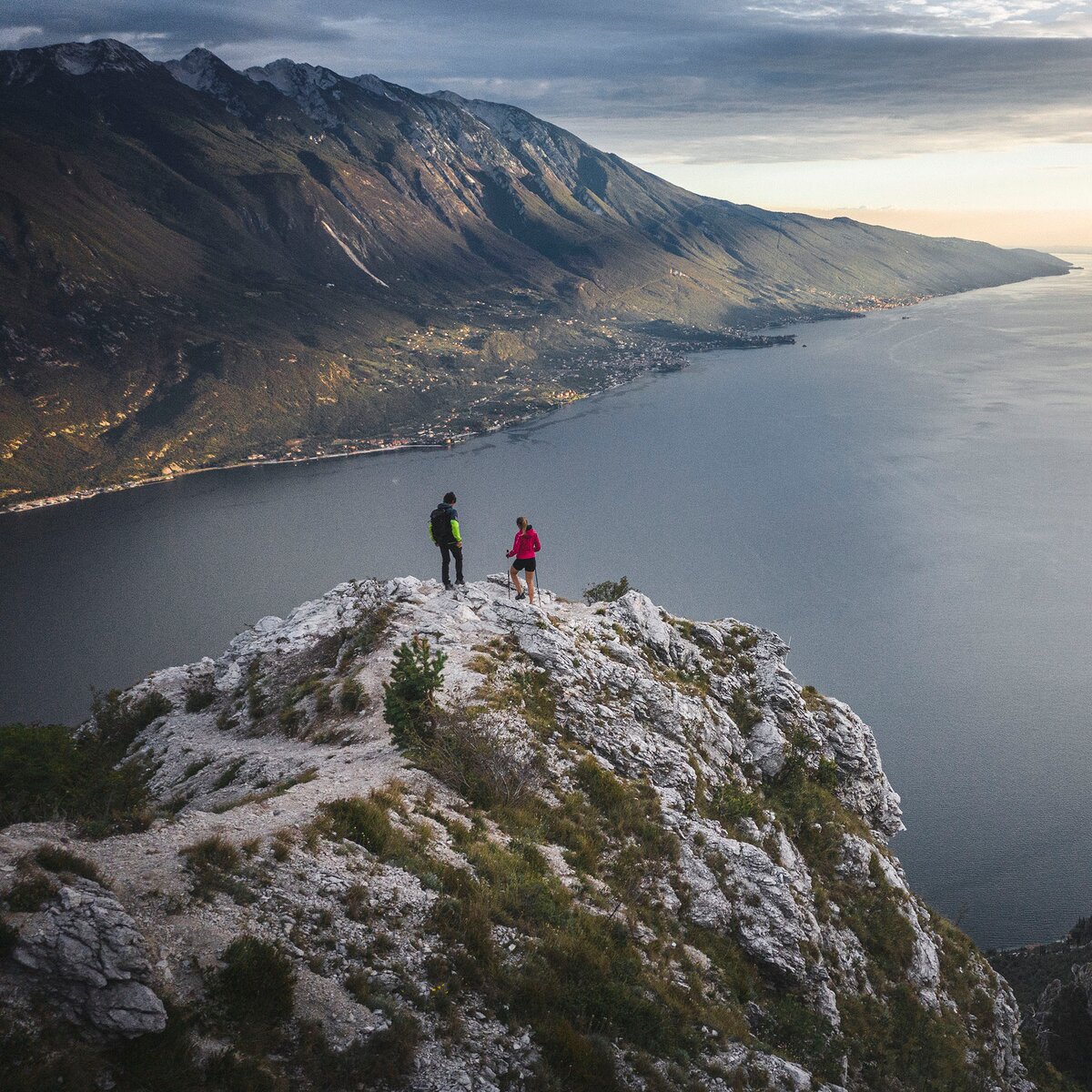
There are many paths today; all of them indicated by abbreviations according to their type. Some of these have become “ways” that, for many communities, give veritable accounts of the authenticity of their land. A short journey through nature, art, history and culture, where landscapes come to life: the setting for centuries-old traditions handed down between the generations, as well as memories of ancient civilisations. Among the most “walked” paths crossing Garda Trentino are the first two stages of the Frassati; a stretch of the San Vili; and the San Rocco.
Every region of Italy has its Sentiero Frassati (Frassati Path), dedicated by the Italian Alpine Club to the Blessed Pier Giorgio, a young student from Turin who loved sports and hiking in the mountains and who died in 1925, aged just 24, from fulminant viral meningitis caused by poliomyelitis, probably contracted during one of his visits to the needy in the city’s poorer neighbourhoods. The path itself measures 100 km (including dirt roads, cart tracks, mule tracks and secondary roads) and connects the town of Arco to the Sanctuary of San Romedio in the Val di Non. The total ascent/descent is about 4,600 metres over seven stages; we suggest the first two:
Another interesting path, the Cammino di San Vili (Way of Saint Vigilius), passes a few kilometres from Villa Banale and connects Madonna di Campiglio in the Val Rendena to Trento. The route largely follows that taken by Vigilius, third Bishop of Trento, when preaching throughout the region in 400 AD.
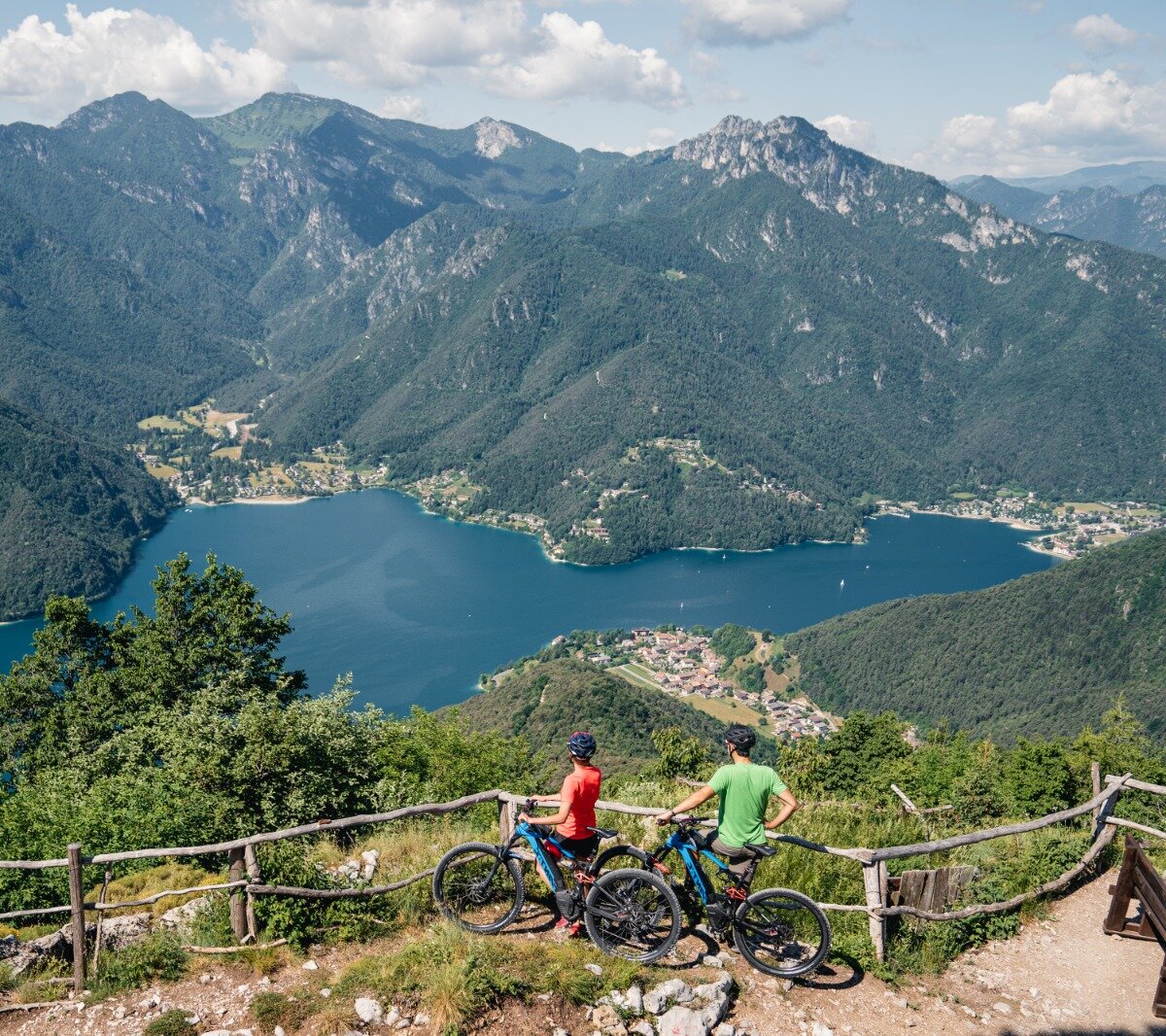
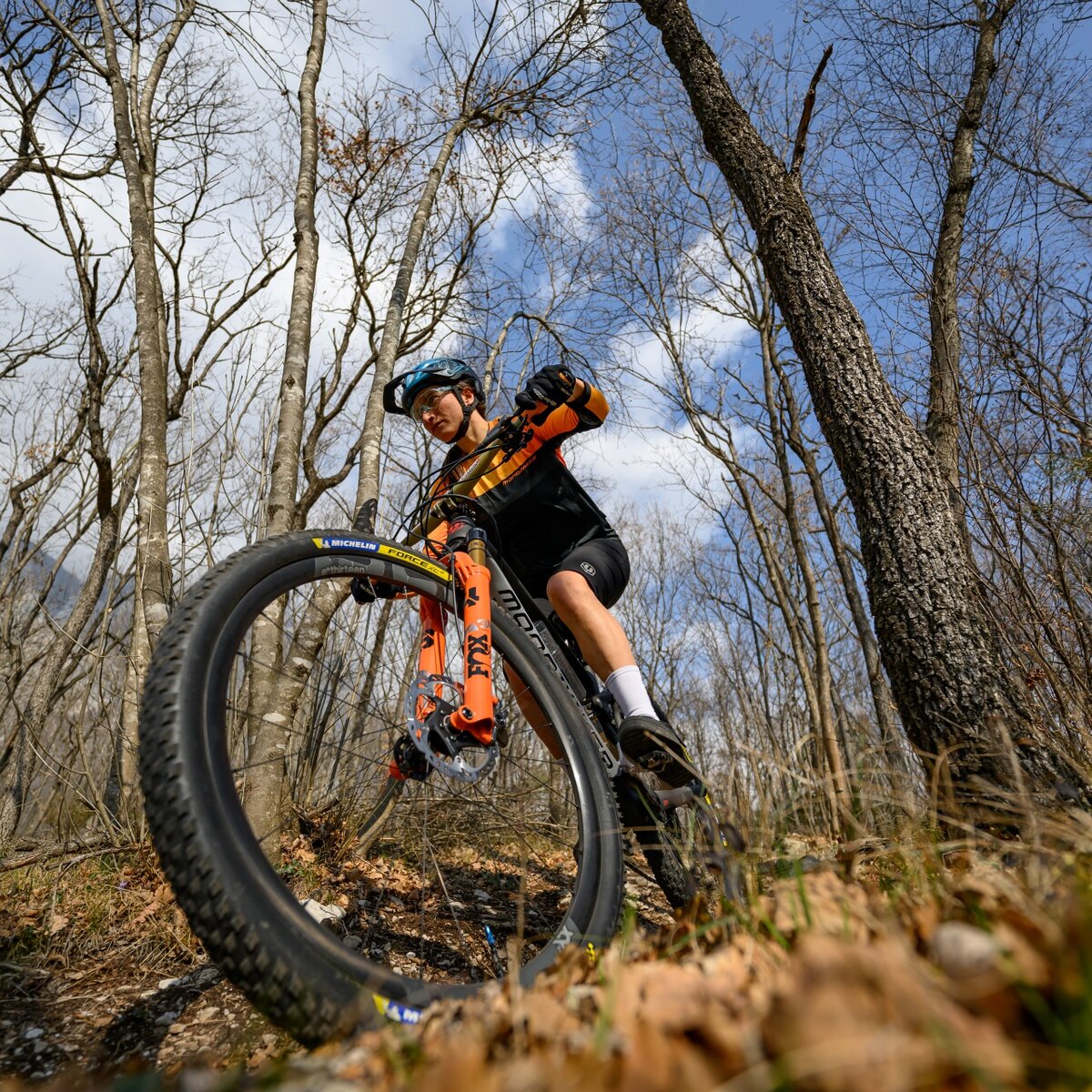
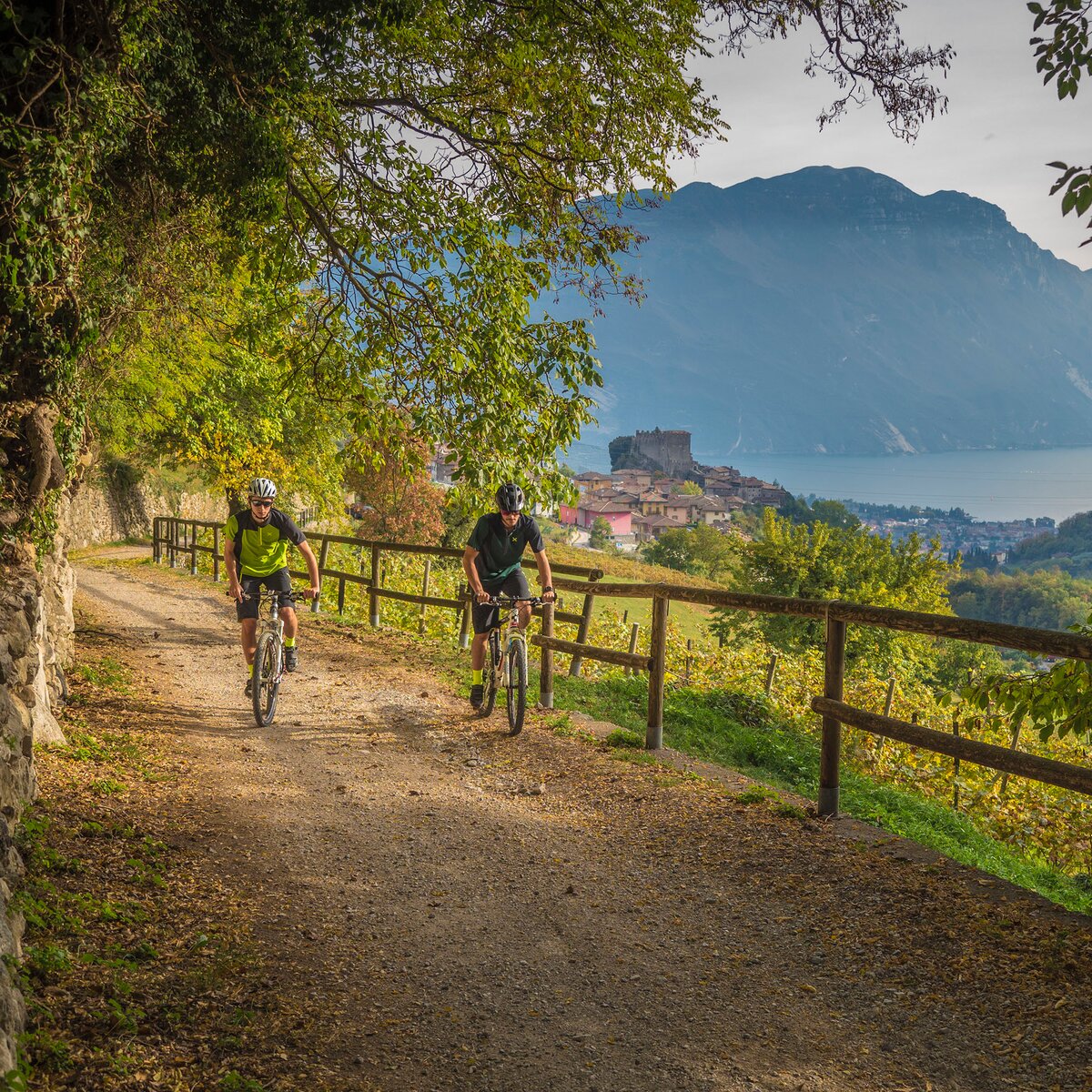
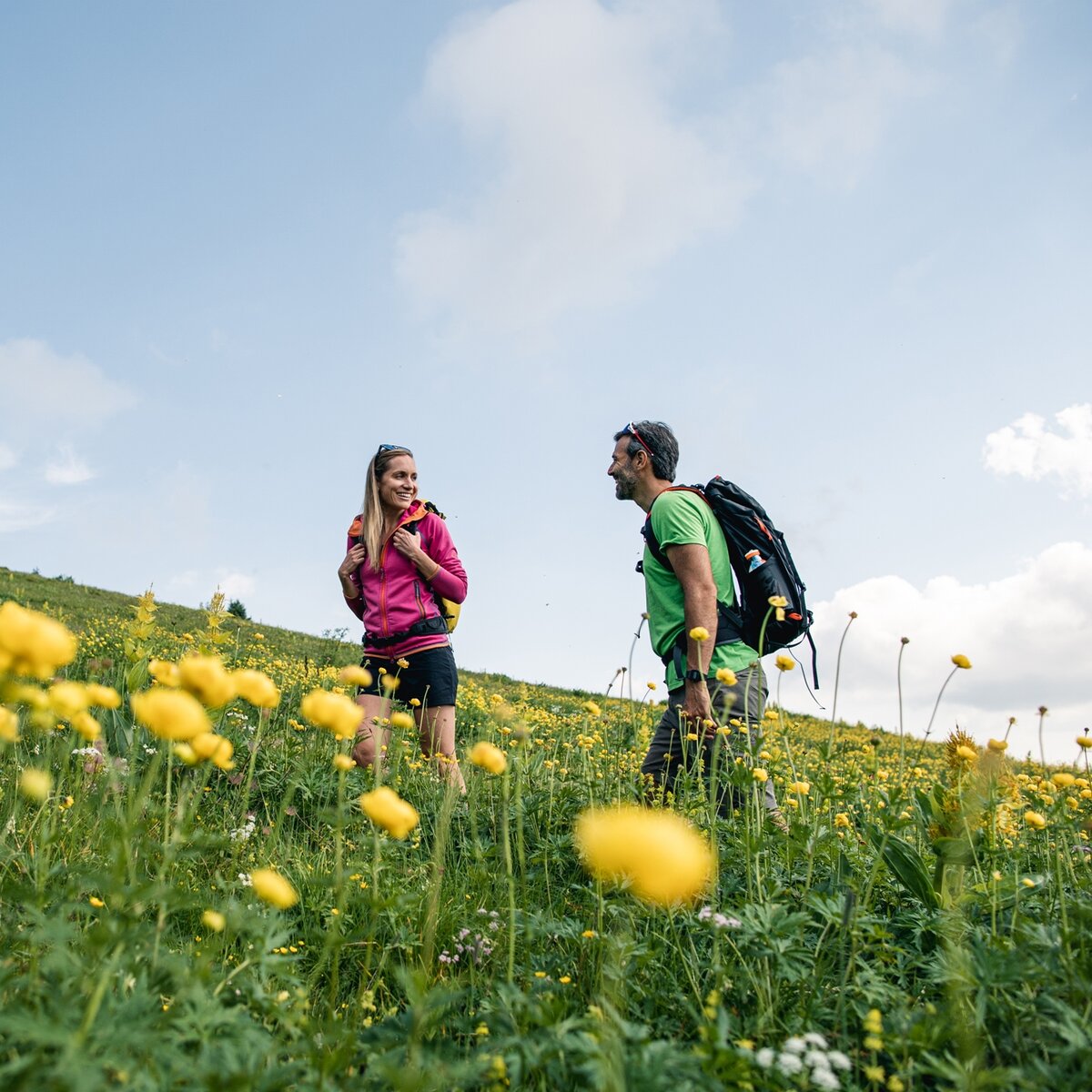
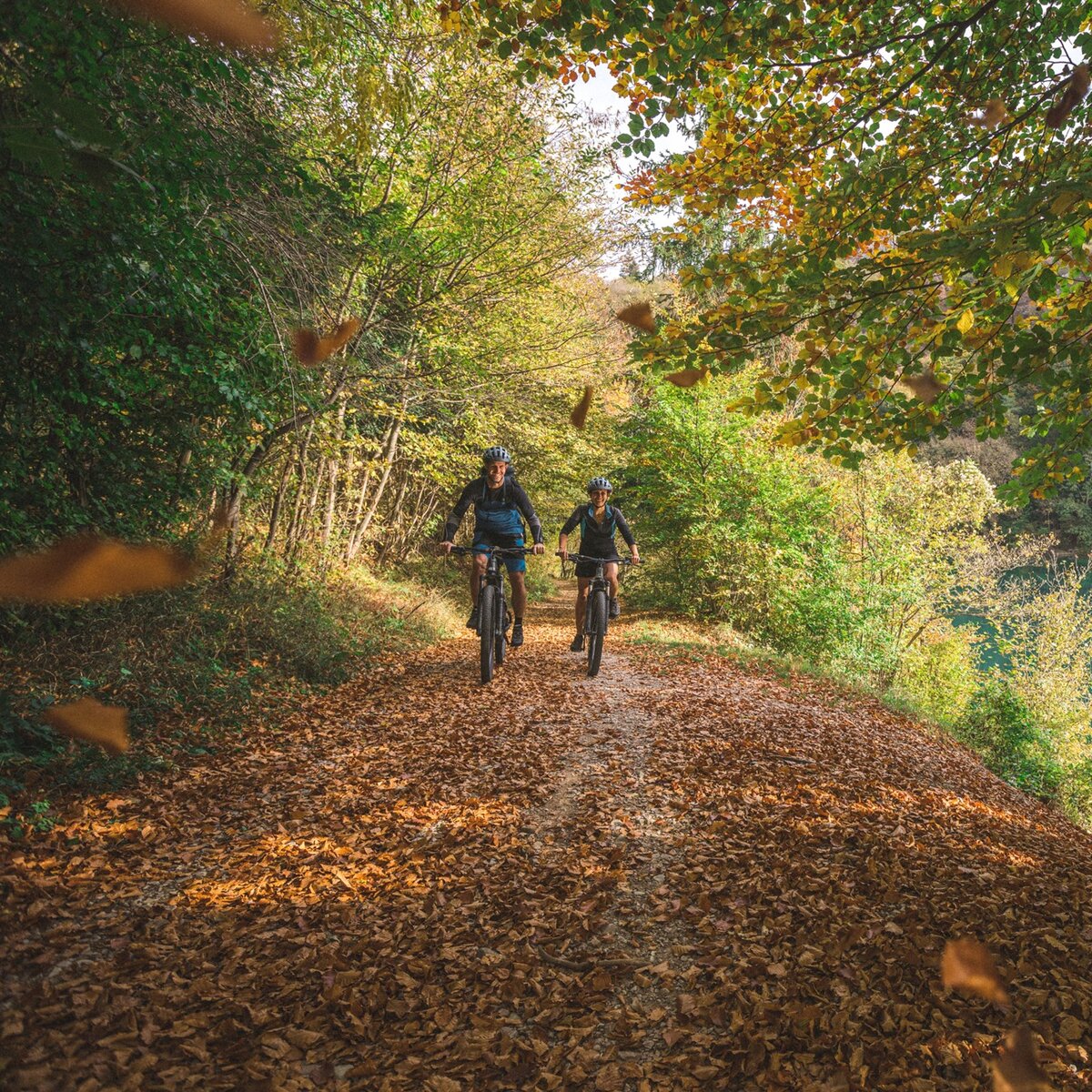
Each stage is an excursion in itself and can also be done by bike: a basic level of fitness and suitable clothing for the weather conditions are nevertheless required. Both variants run through Garda Trentino around Comano (Stenico) and the Valle dei Laghi and offer gentle ups and downs as well as enchanting scenery.
The Cammino di San Rocco (Way of Saint Roch) in figures: 70 km of ups and downs, a highest point of 1,400 metres, five stages and three municipalities. Running through Lower Trentino, the trail was opened in 2020 thanks to the efforts of the local communities: it was inspired by the patron saint of volunteers and pilgrims, who is also invoked against pandemics.
The special feature of this route is that it encourages encounters between locals and walkers who wish to get to know an active and hospitable community and learn about the region through the eyes of those who were born and live there. The way crosses areas with a shared sense of caring for the landscape and environmental sustainability in farming: unmissable among these is the Val di Gresta, the rural heart of Garda Trentino.
This article was published in the third issue of BLU, the Garda Trentino magazine. It’s dedicated to the walking routes that cross the region - paths to be experienced step by step, through nature, history and local communities. Ancient and modern trails that tell the story of a slower, more mindful way of walking: the perfect way to explore Garda Trentino at the pace of the landscape.
Info & GPS tracks: ➡️ click here
 Offers