
A walking tour through nature and history

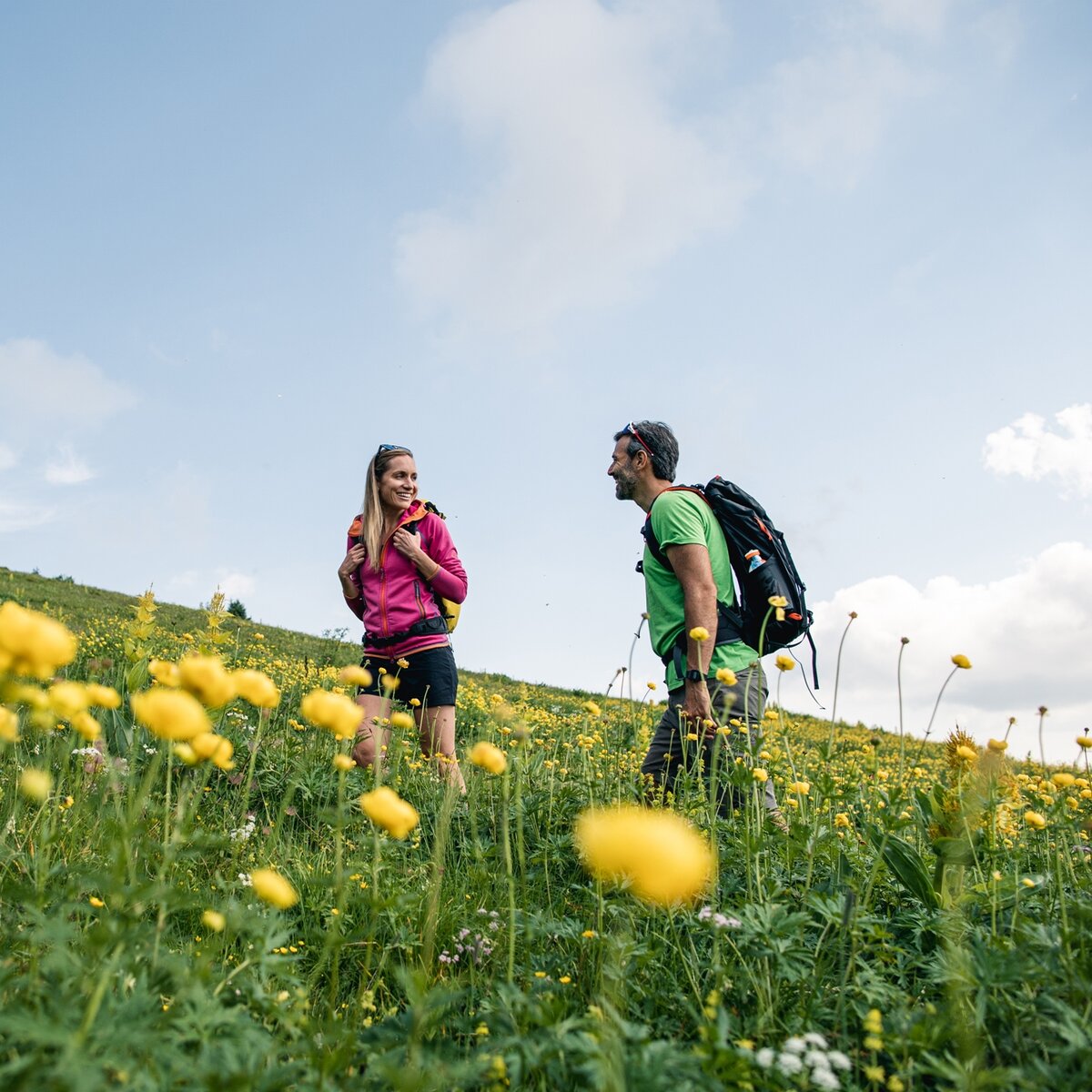
The best way to discover an area is to explore it on foot, especially when you can follow a marked itinerary. I have therefore decided to visit the Calavino Canal, aiming to discover the numerous craft activities that arose on its banks, all powered by water.
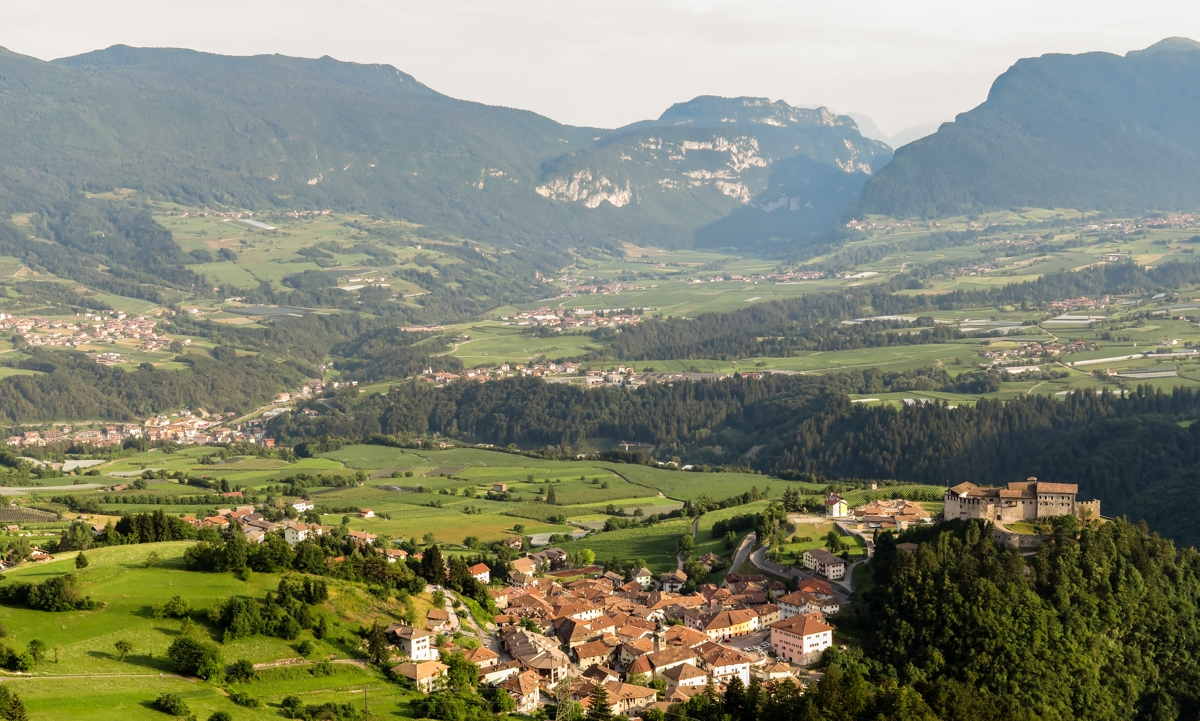
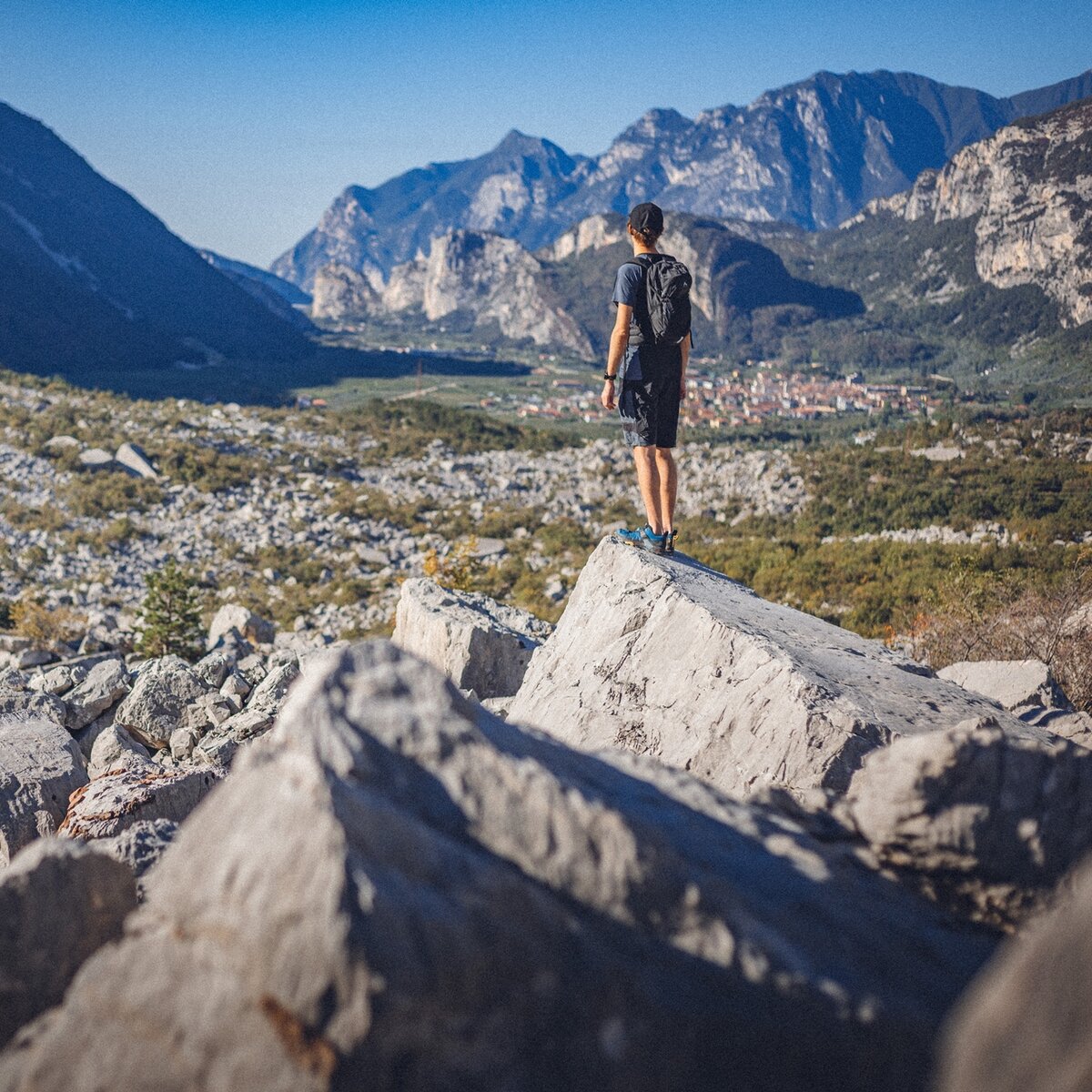
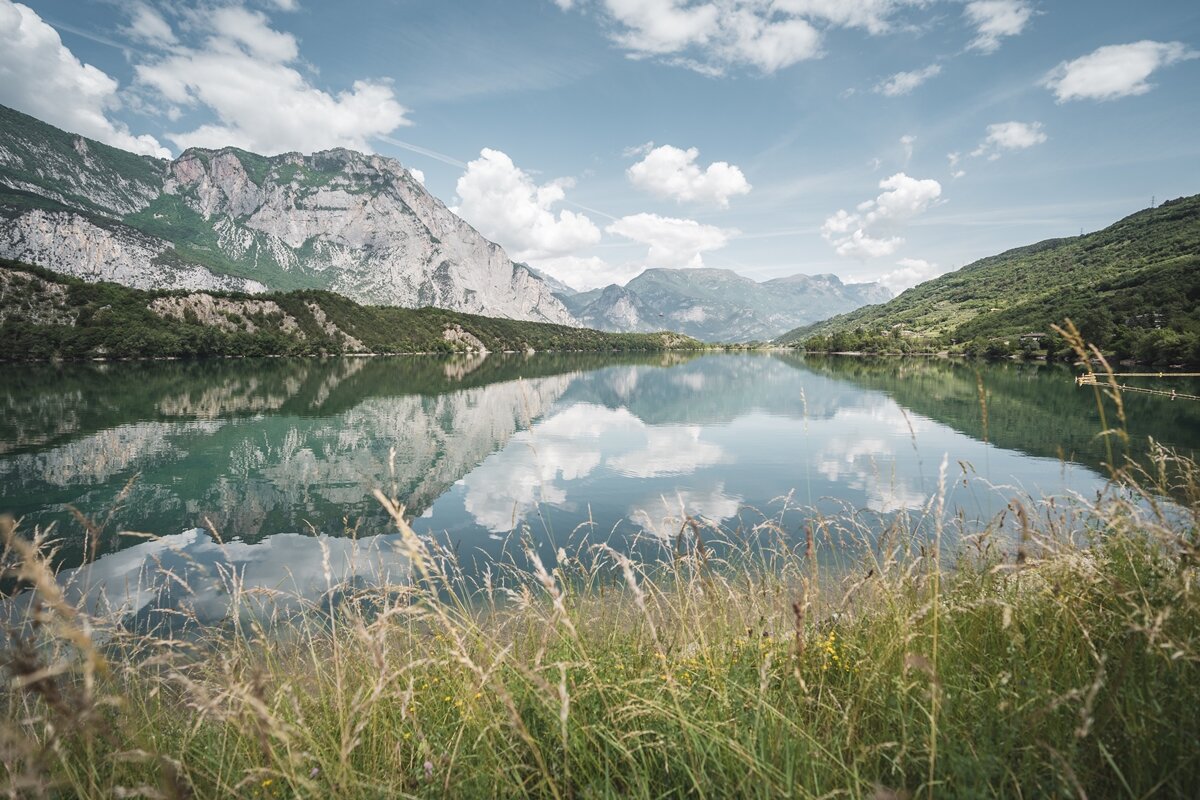
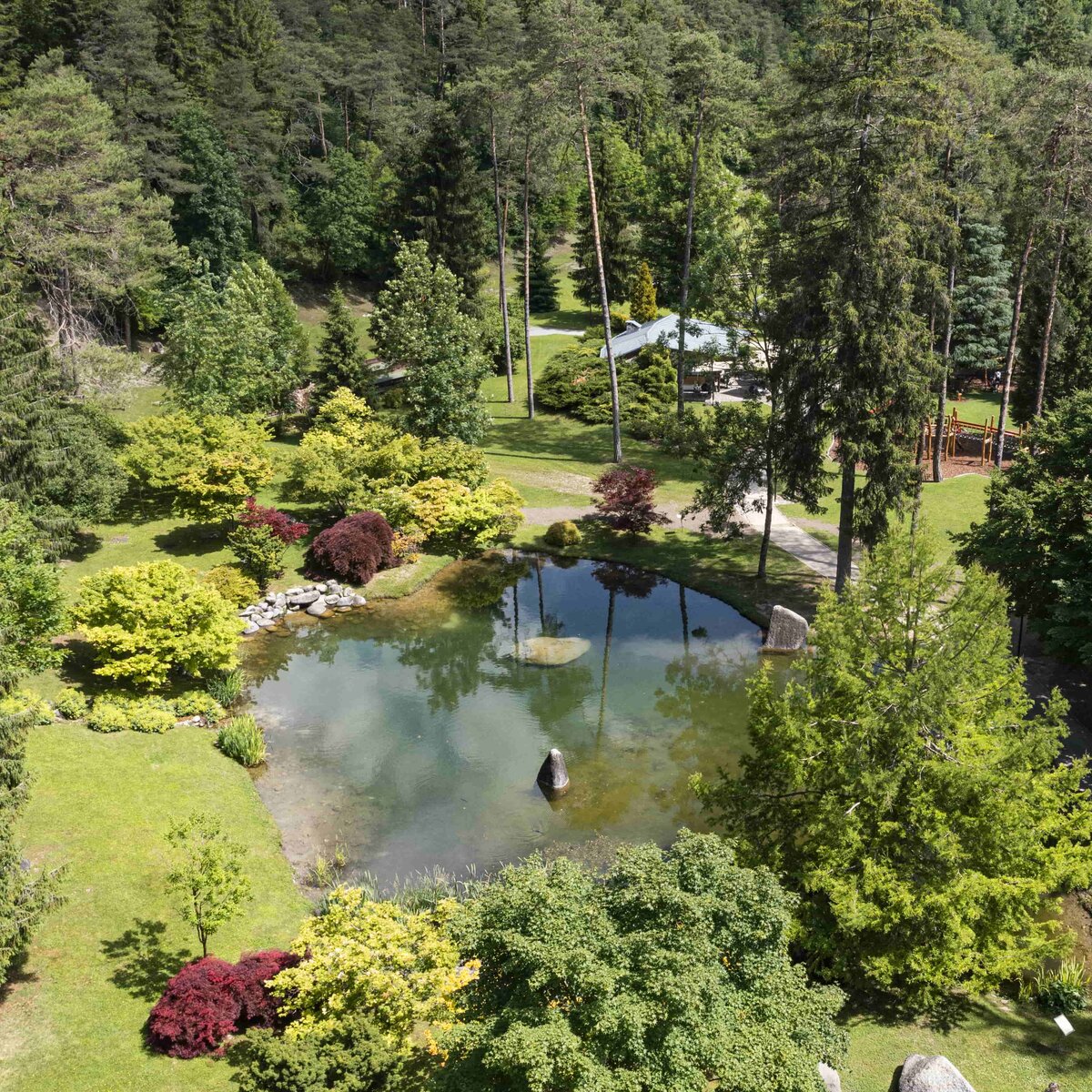
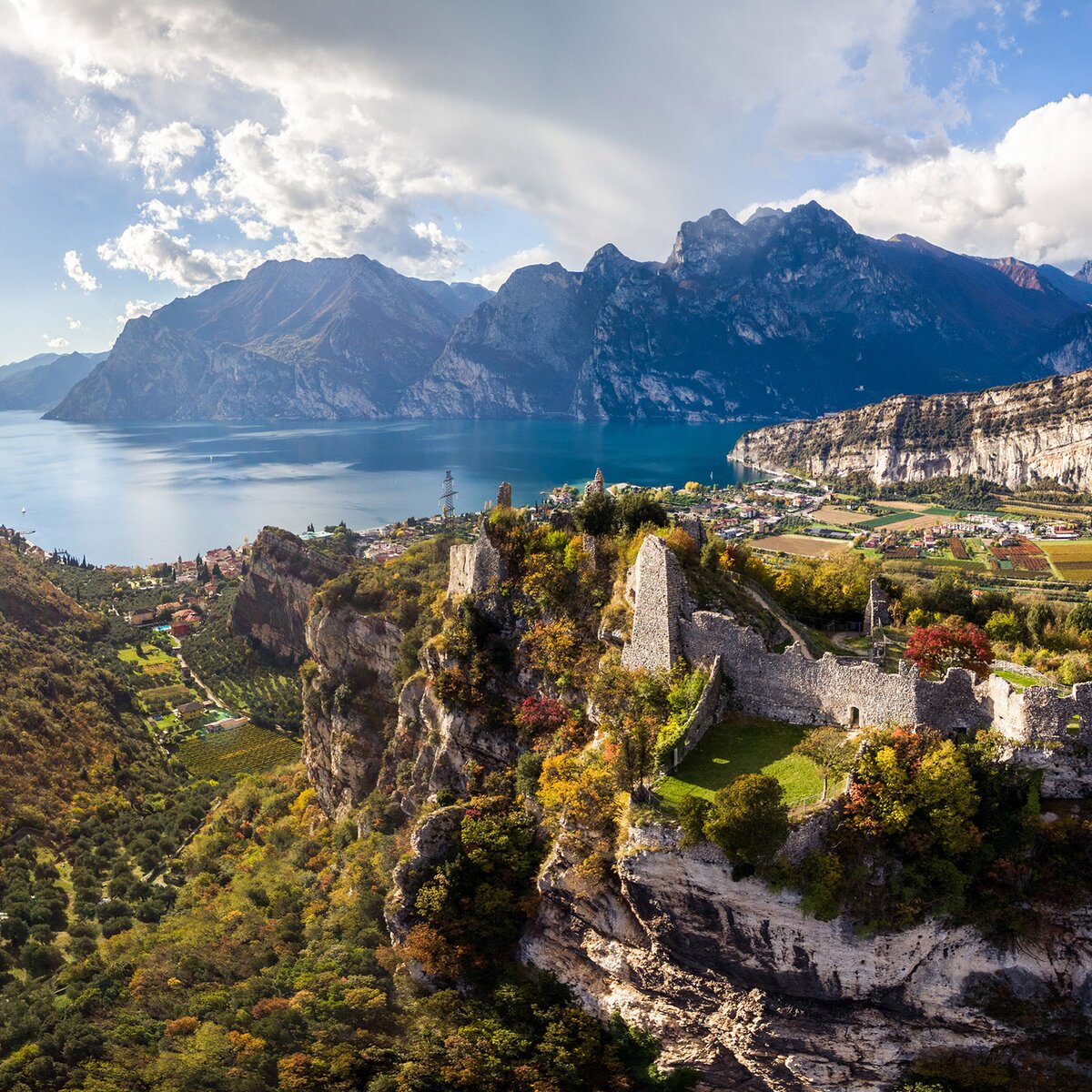
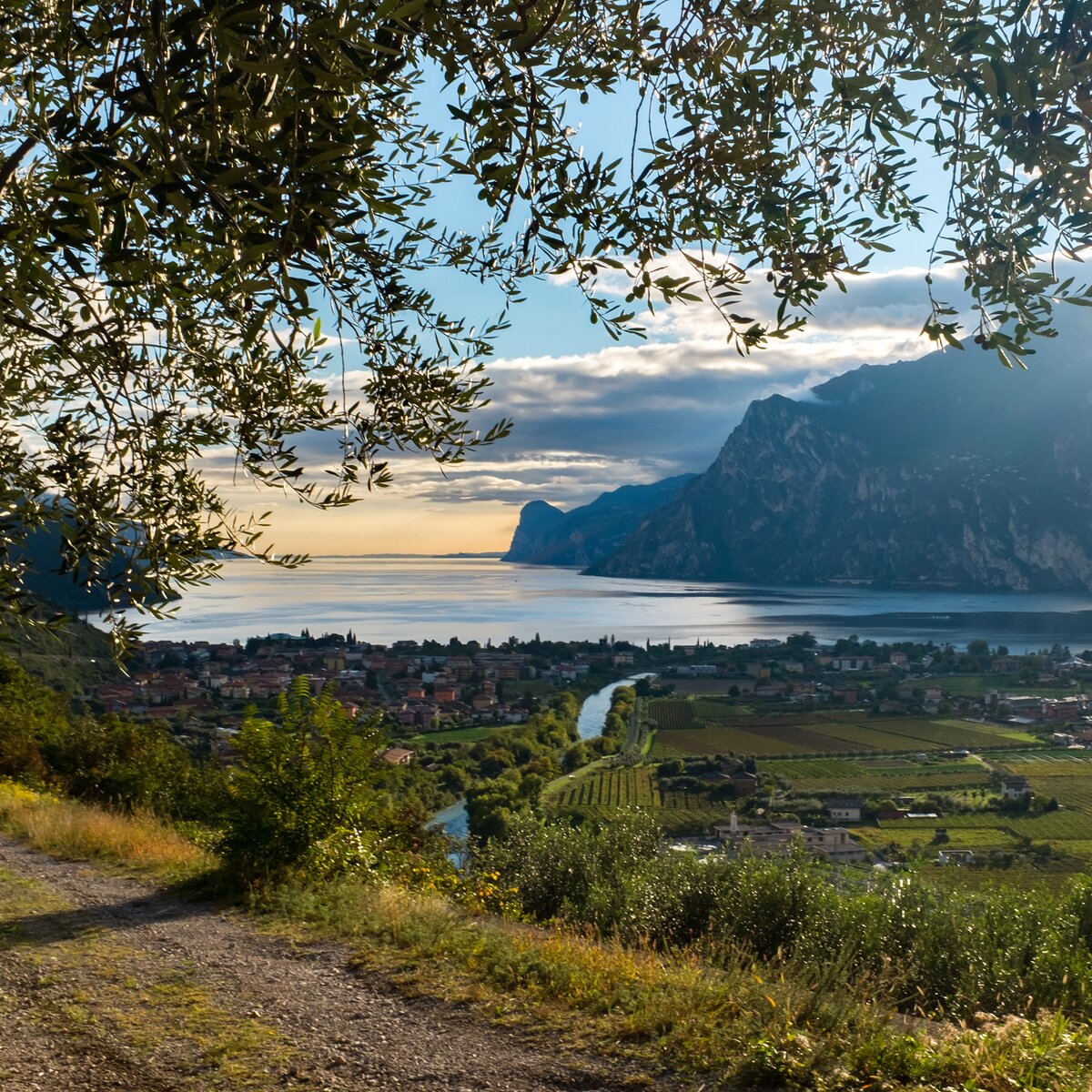
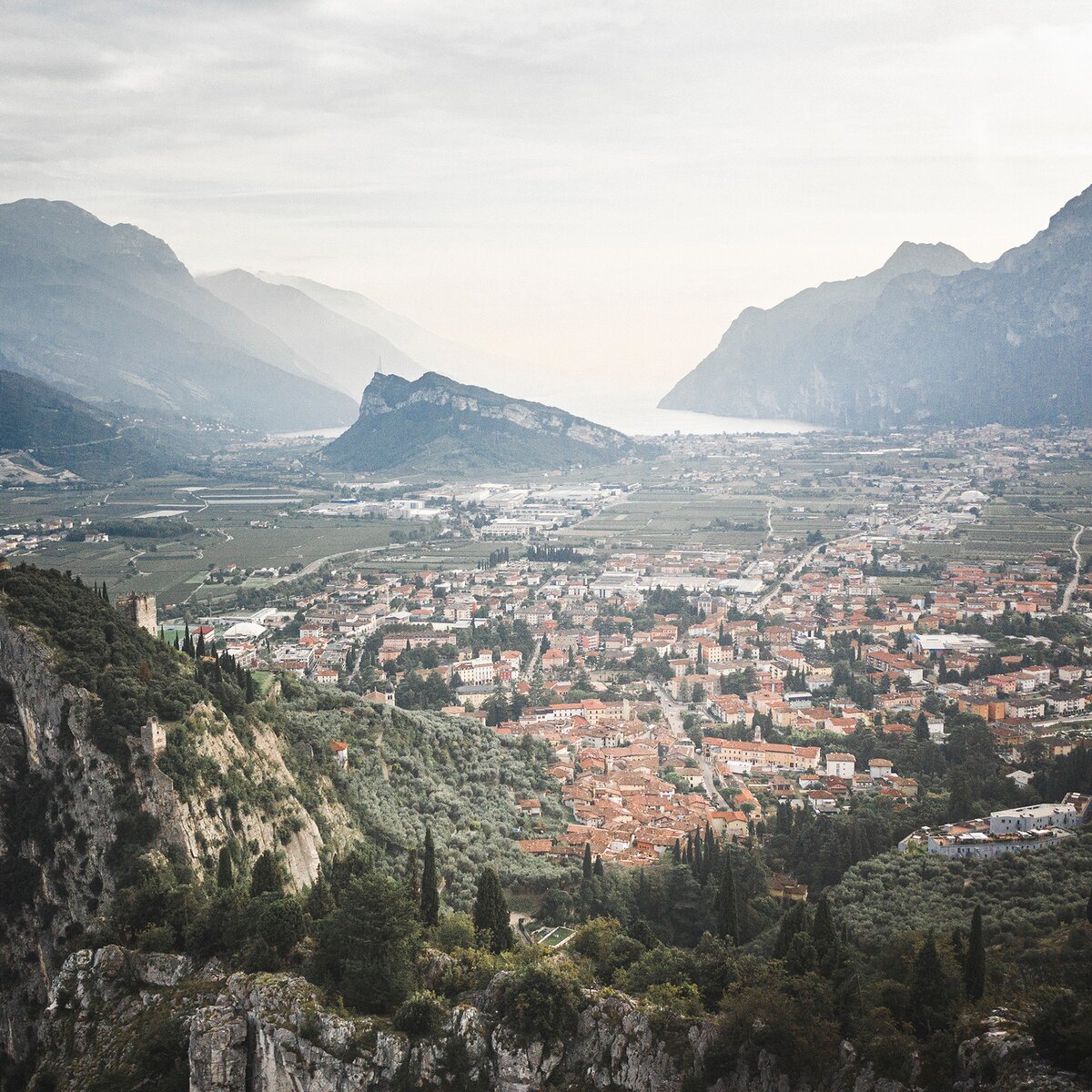
I leave my car at the entrance to Padergnone, a village bordering Lake Santa Massenza, and head towards the settlement of Calavino, with vegetation gradually obscuring the rest of the landscape and the lake below disappearing from view. I had not expected to come across a place so completely immersed in nature and, perhaps more surprisingly, so close to Lake Garda’s busiest resorts.
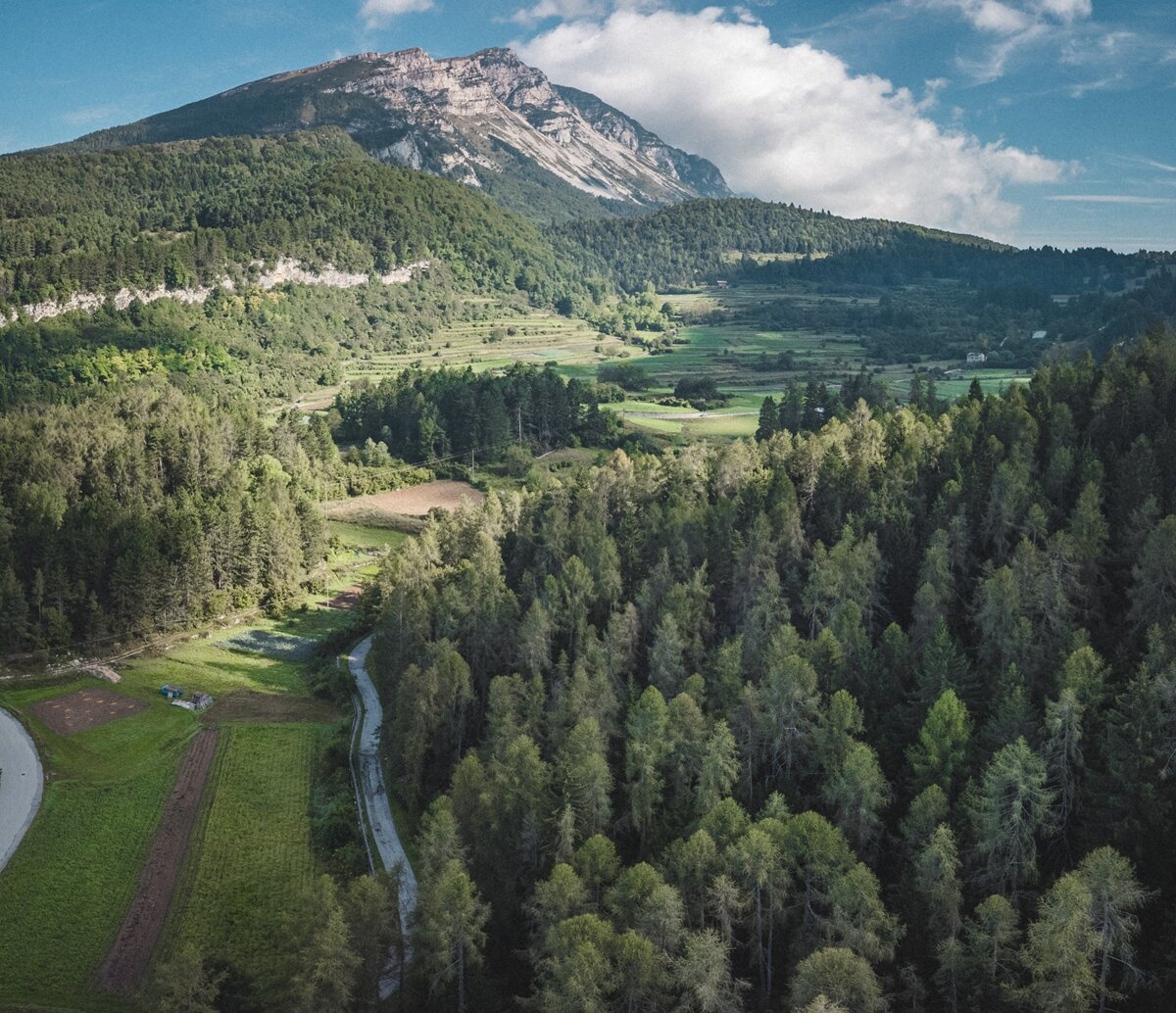
The trail runs almost four kilometres along the ancient communication route between the lower part of the Valle dei Laghi, once a marshland, and the upper valley, for a maximum gain of 114 metres in altitude.
The route penetrates into the gorge known as the Forra dei Canevai, a word derived from canef, the linen cloths that were soaked along the channel, itself an artificial canal that carries water from the Bus Foràn spring to Lake Toblino in the plain below – a body of water that, while not suitable for bathing, possesses great charm.
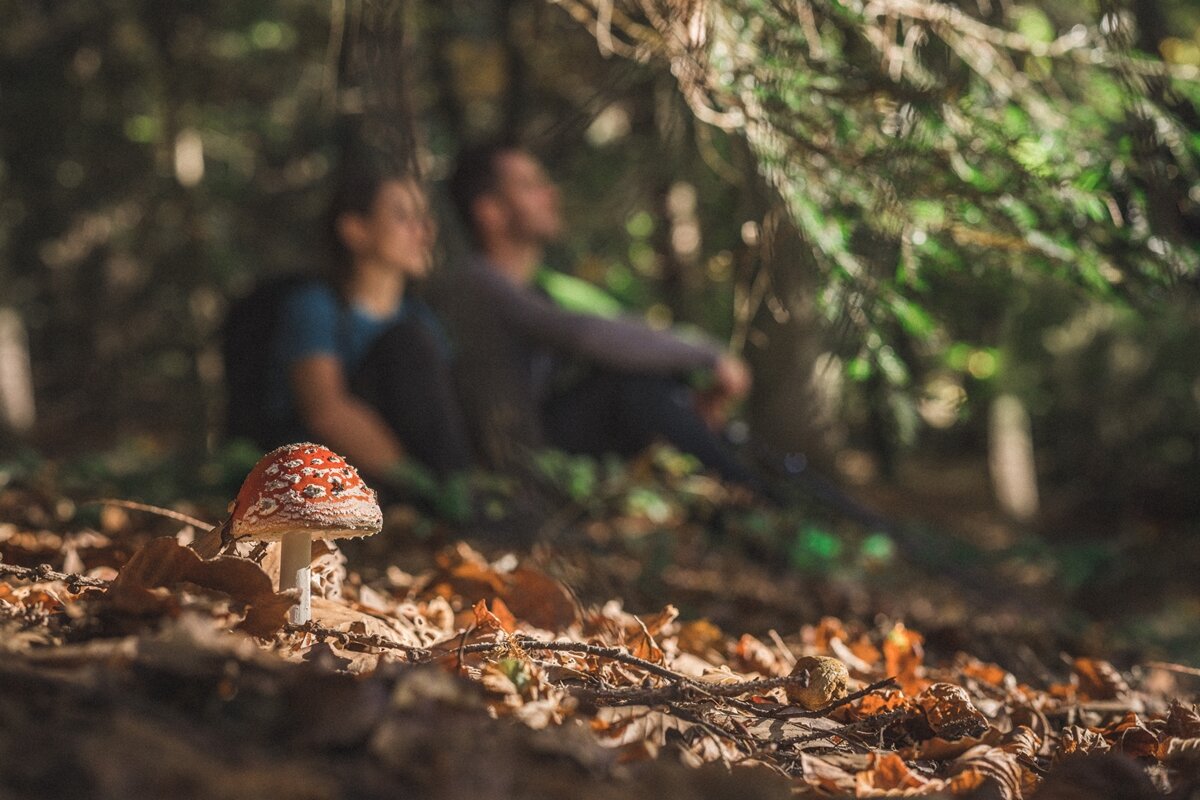
The initial stretch is the most evocative, ascending the gorge into which the water has carved out its bed. The scent of the undergrowth, the humid aroma of the plants that stretch over the stream and the rustling sound of the waterfalls all accompany a pleasant ascent that follows the indissoluble link between the land and the water of the canal, whose richness has created a unique natural habitat. Suddenly I come across a rare petrifying spring, where tufa or travertine is formed.
The route then continues via locations restored by the Ecomuseum of the Valle dei Laghi, with their mills and fish farms; the main purpose is to foster the traditions linked to local memory and the birth of the numerous factories and works, of which precious little now remains.
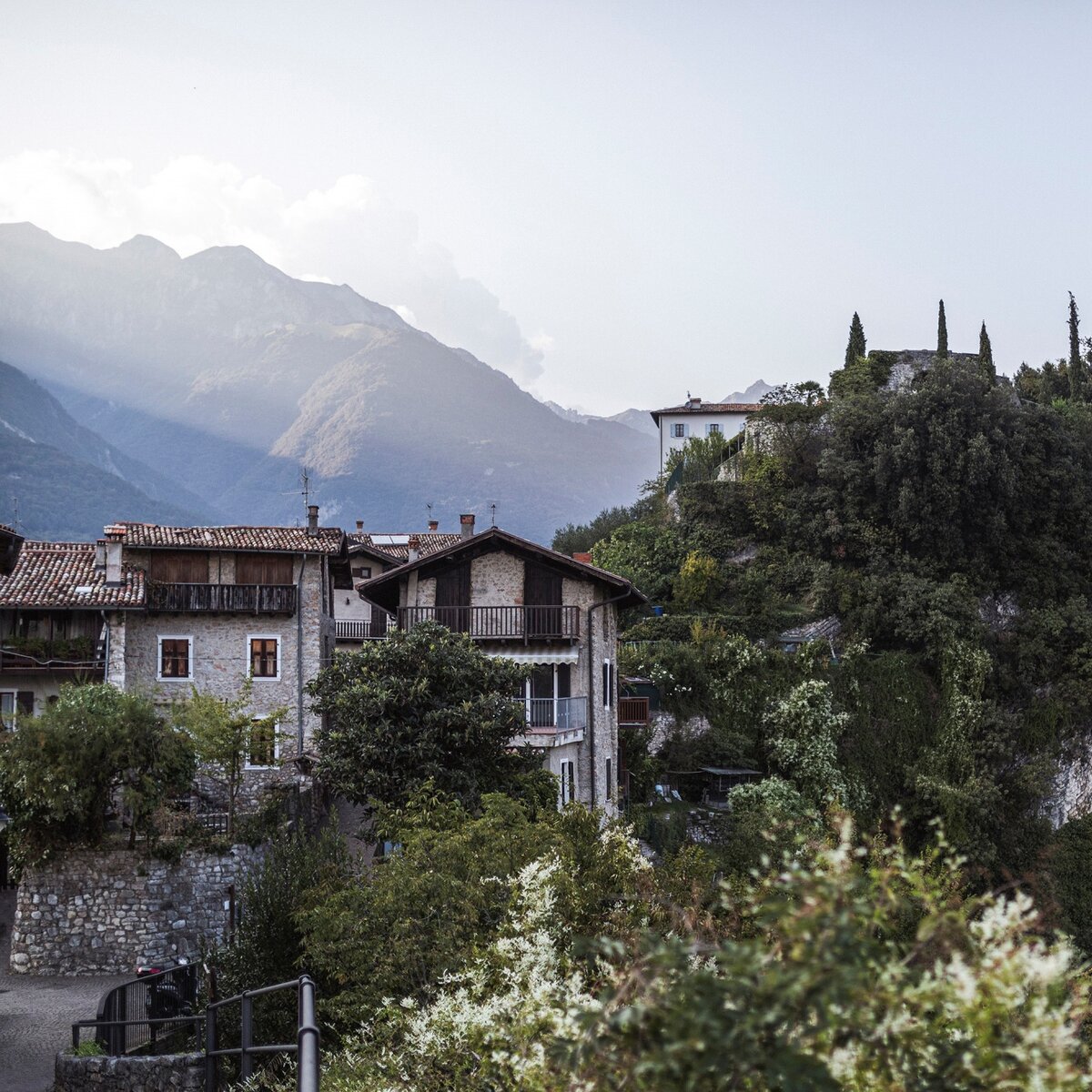
Upon reaching Calavino, you can reimagine the scene with its crafts, forges and spinning mills, as well as the workshops that until the 19th century characterised the village: this lay at 460 metres above sea level and developed against a backdrop of vineyards and orchards, adapting to the very course of the canal.
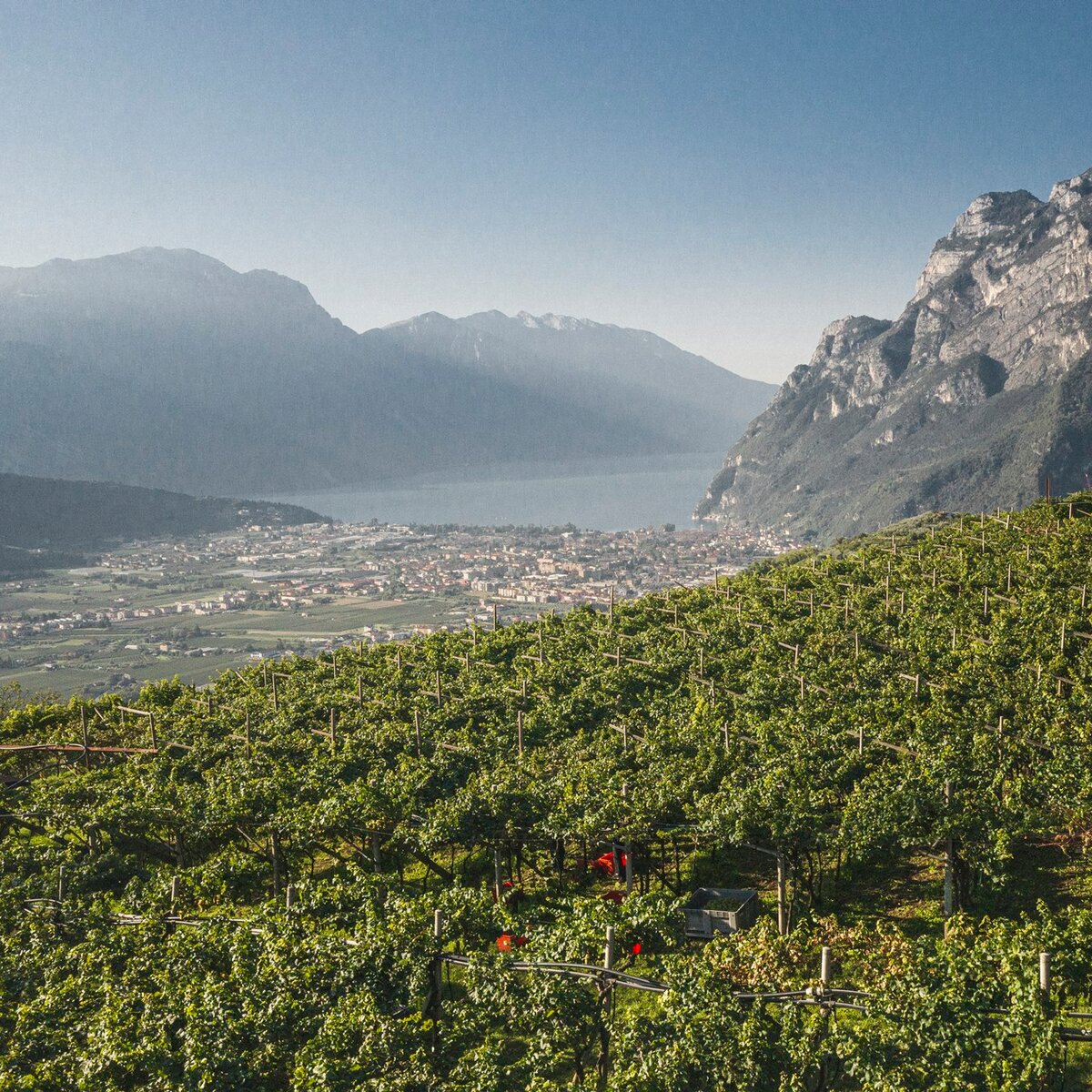
I wander under the hallways, among the old machines for processing materials and indeed in the stories of the locals, before retracing my steps down into the gorge that now opens out onto the vineyards of Nosiola, from which the famous Vino Santo Trentino DOC is made – a fine passito wine that lends the perfect finishing touch to an unforgettable excursion.
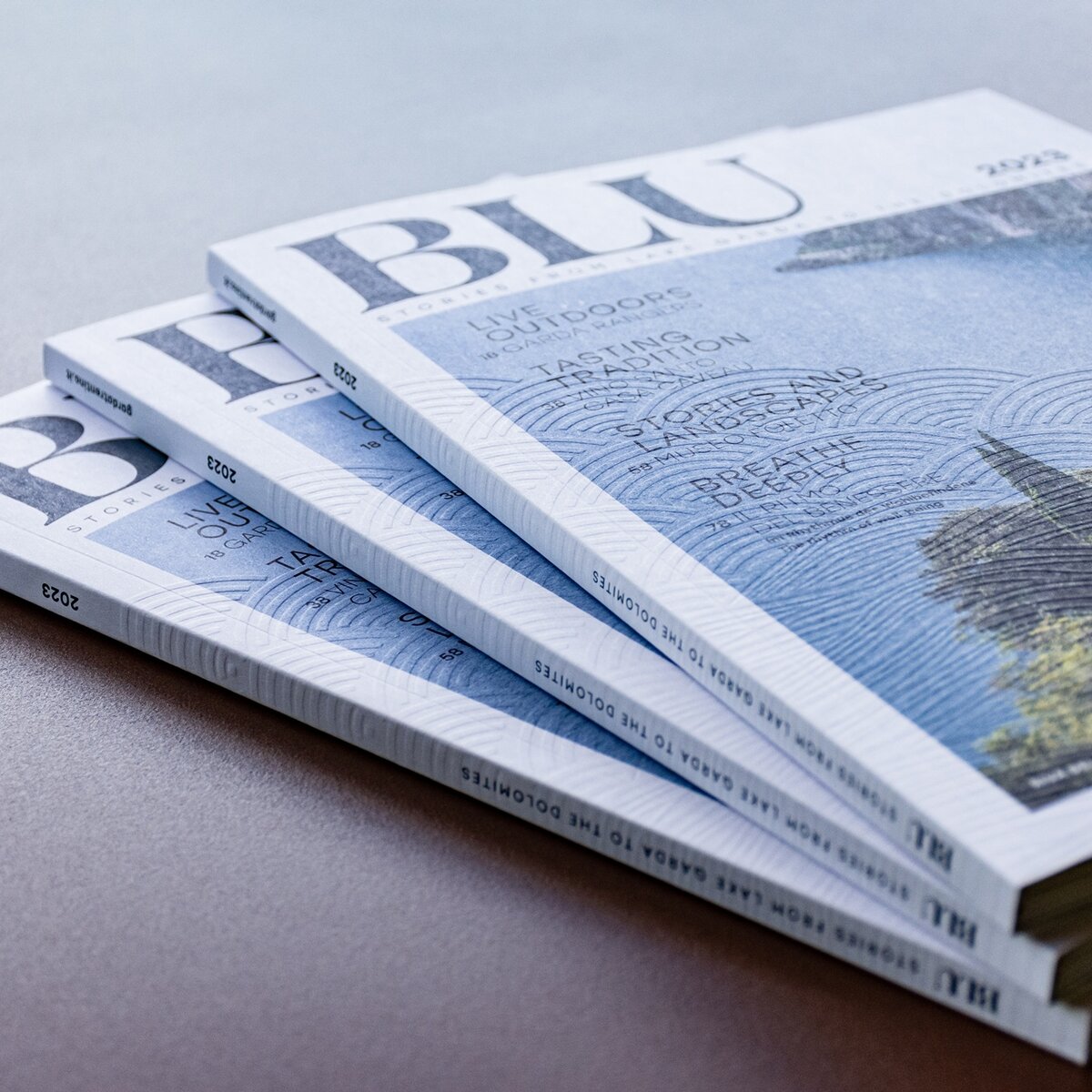
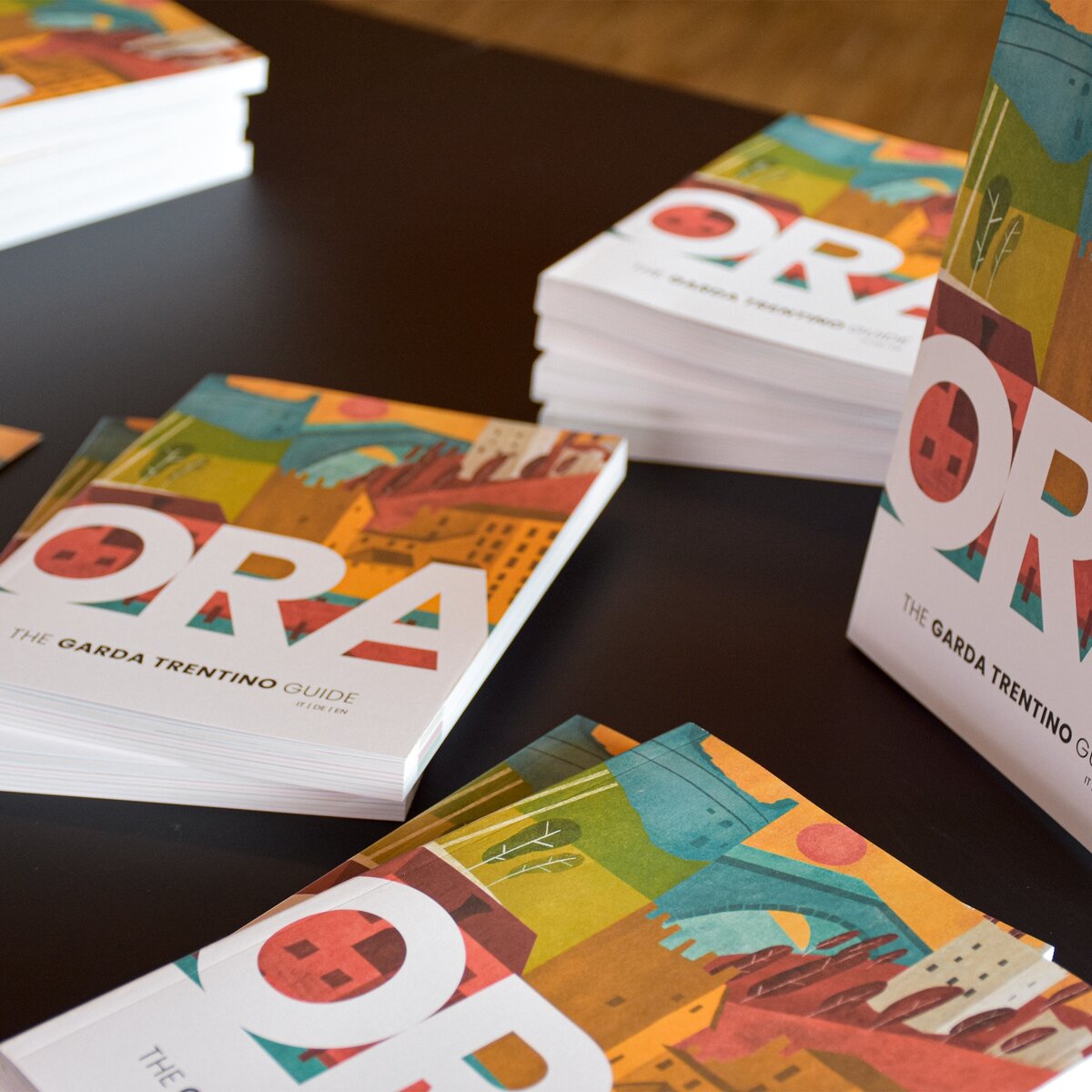
This article was published in the second issue of BLU, the Garda Trentino magazine. It is dedicated to the Roggia di Calavino, a route that blends nature, water and the living memory of the Valle dei Laghi. A path to explore on foot to discover one of the area’s most authentic landscapes.
 Offers