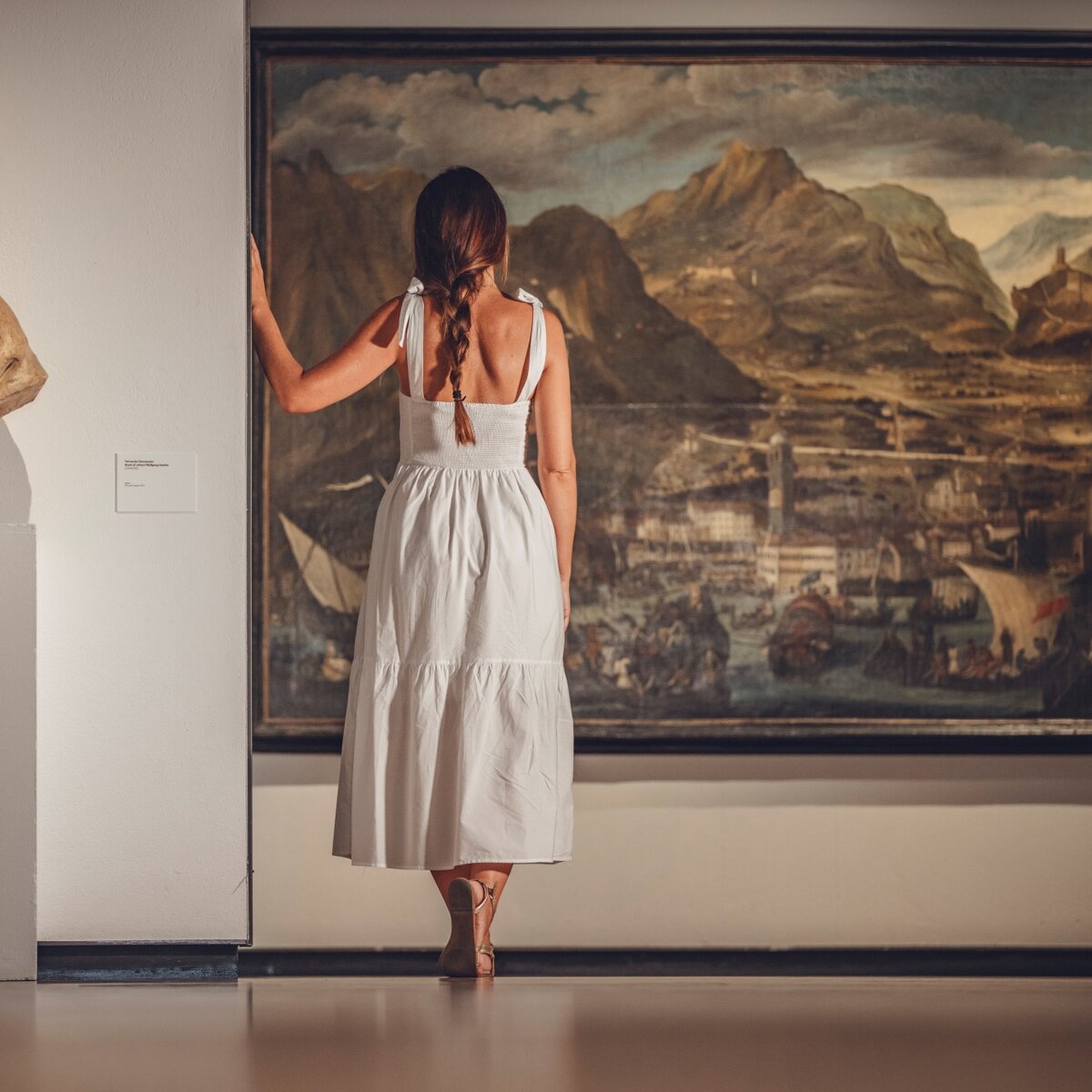
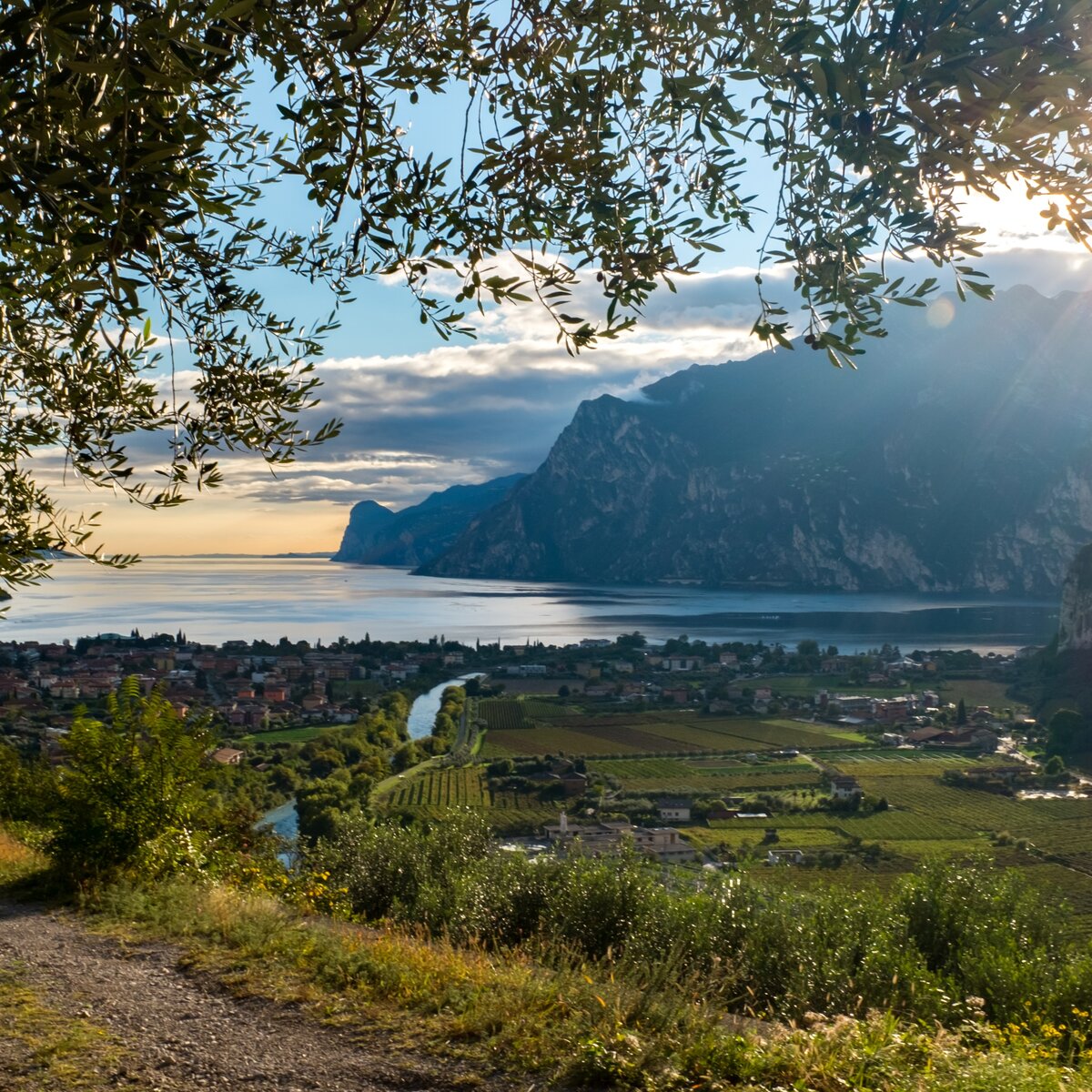
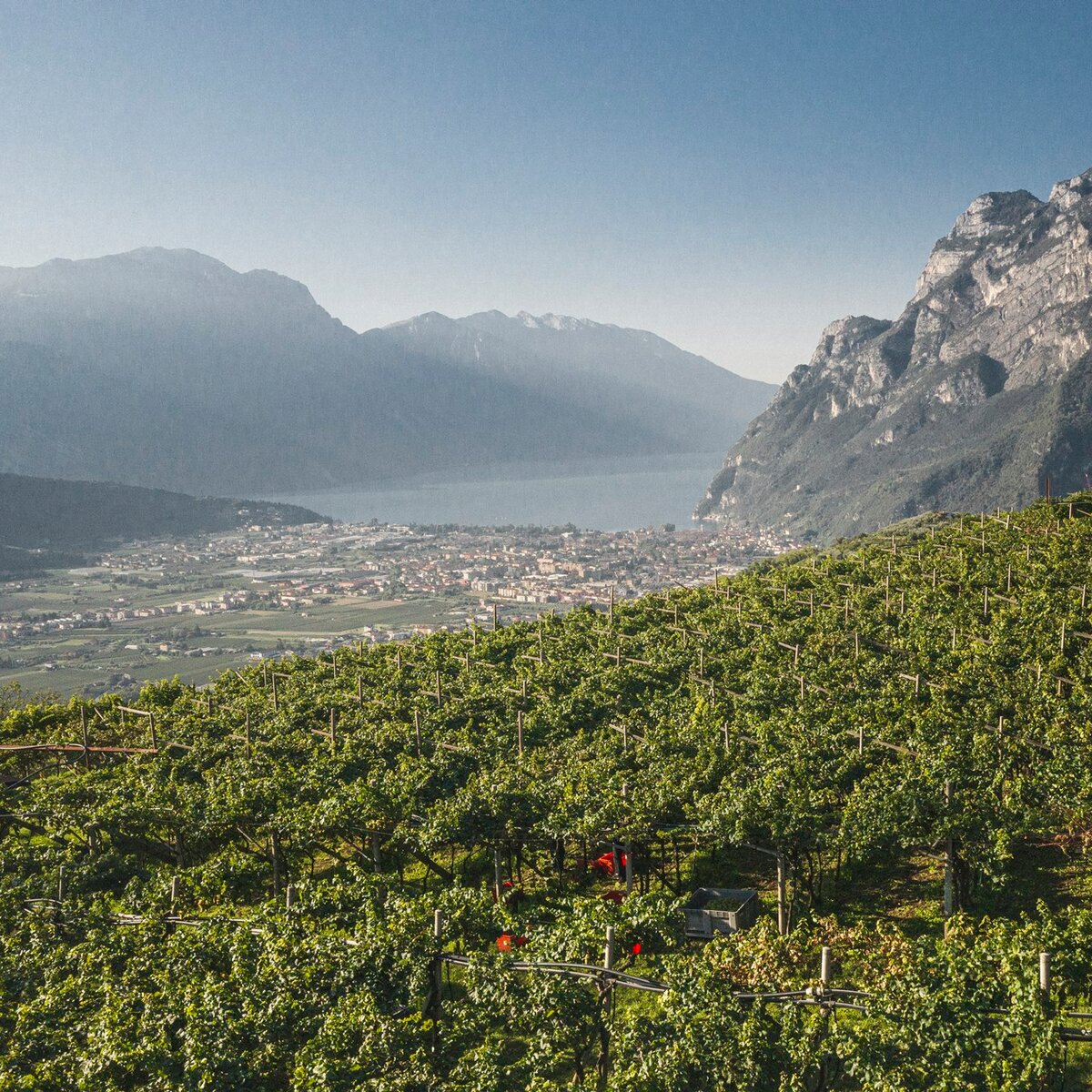
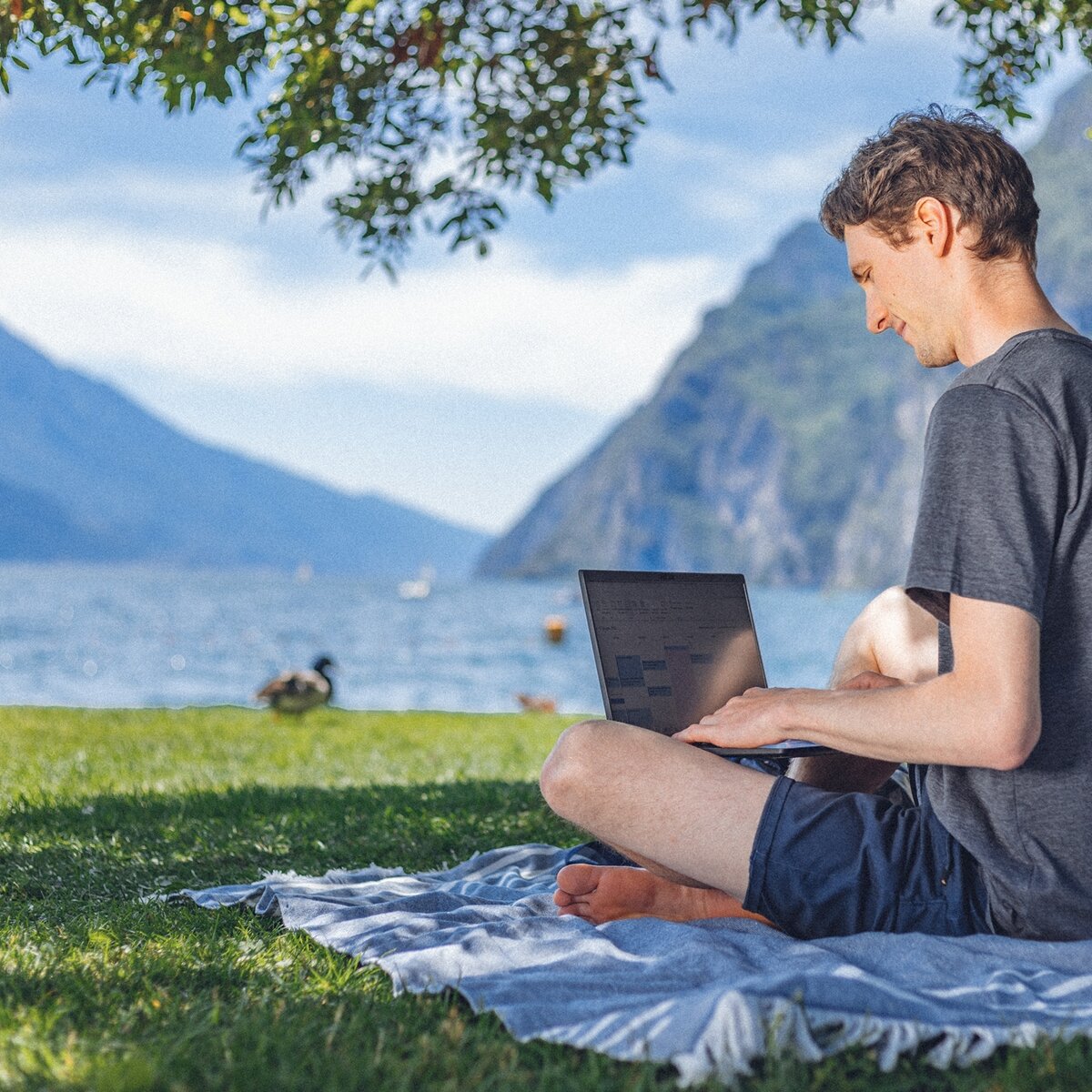
We travel to be exposed to diversity, which is always a good way to counteract the grinding daily routine. We travel to understand ourselves. Going on holiday, mobilising ourselves, means finding new biorhythms and a new balance, without however forgetting that we are not the centre of the world: our needs and even fantasies often have a great impact.
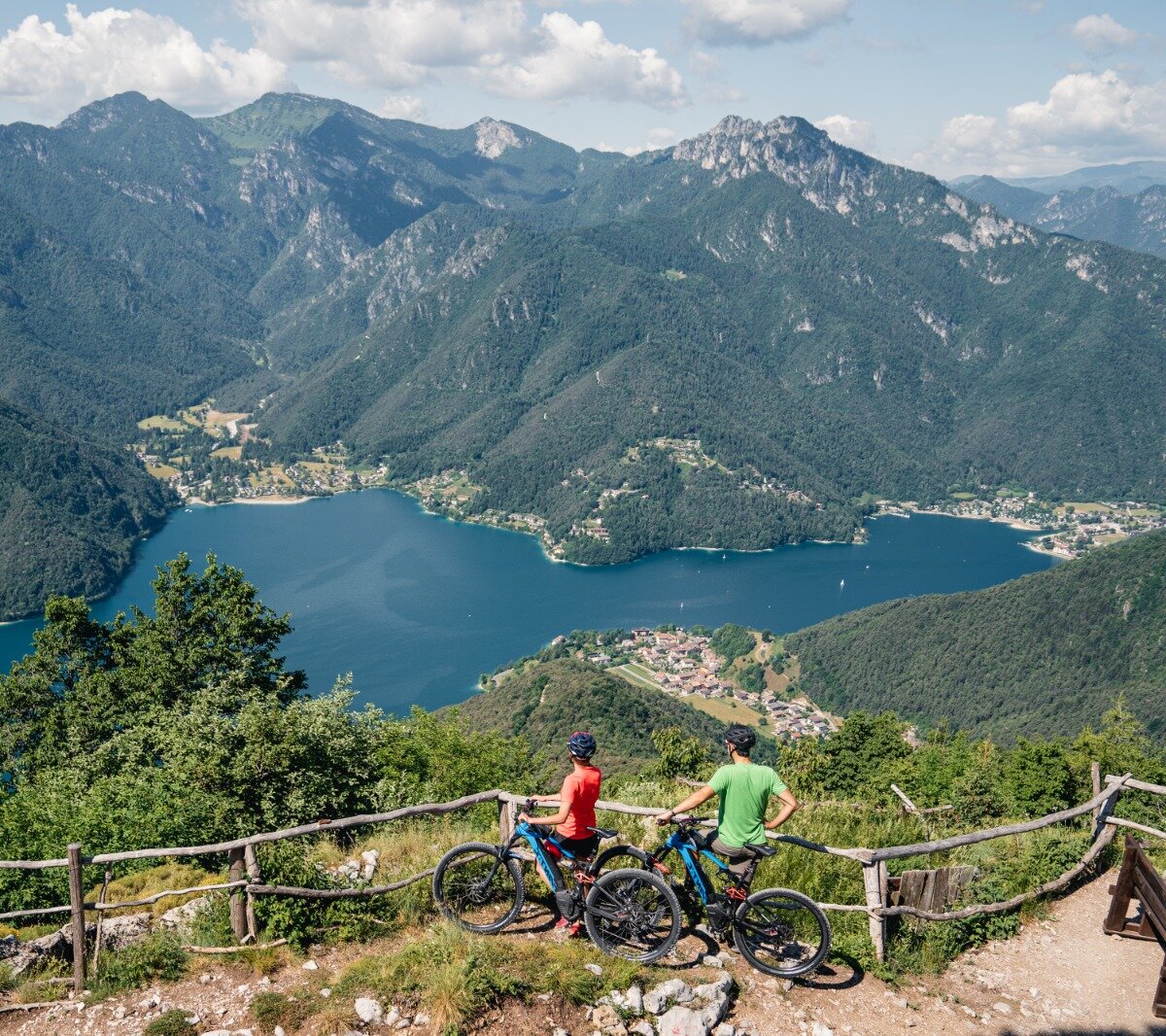
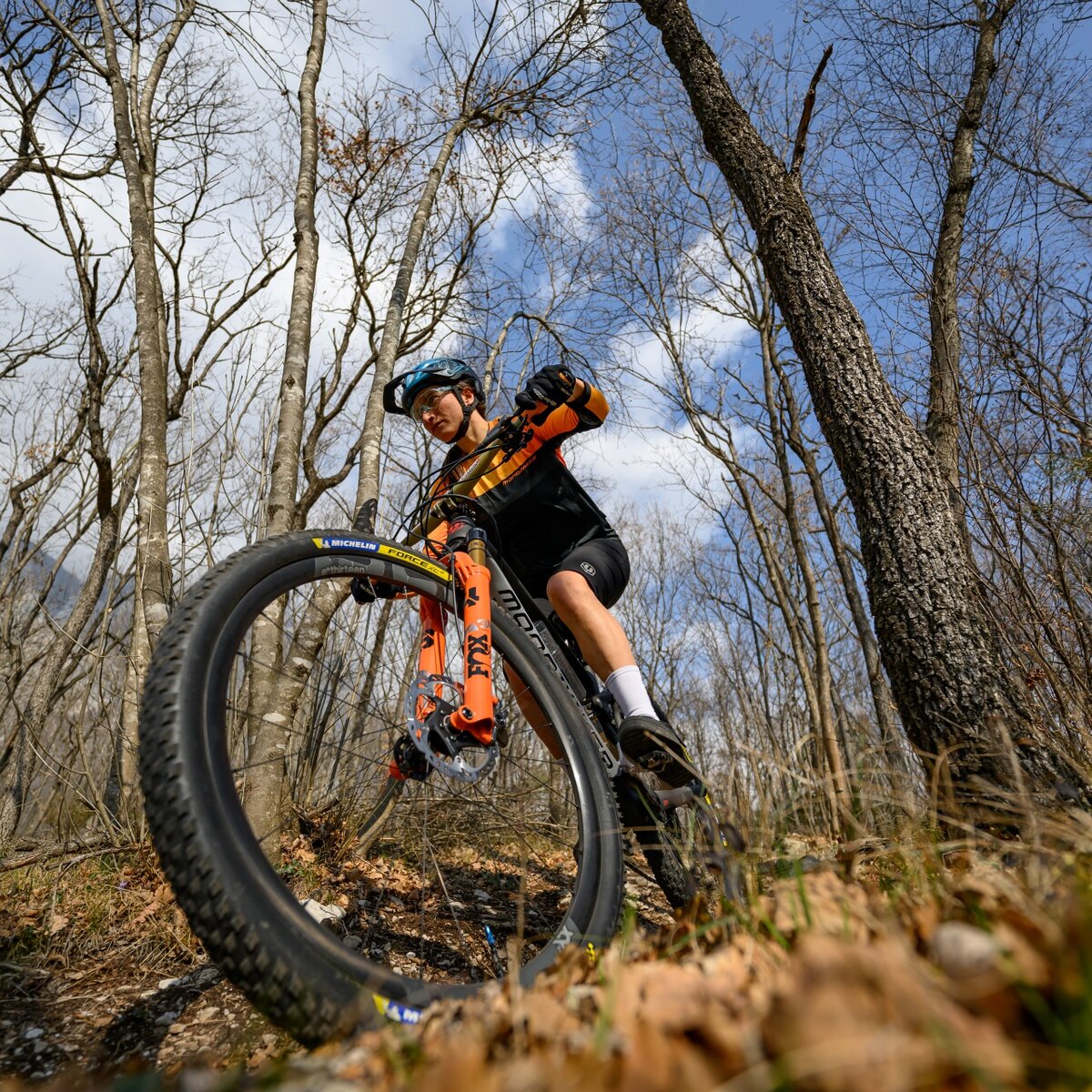
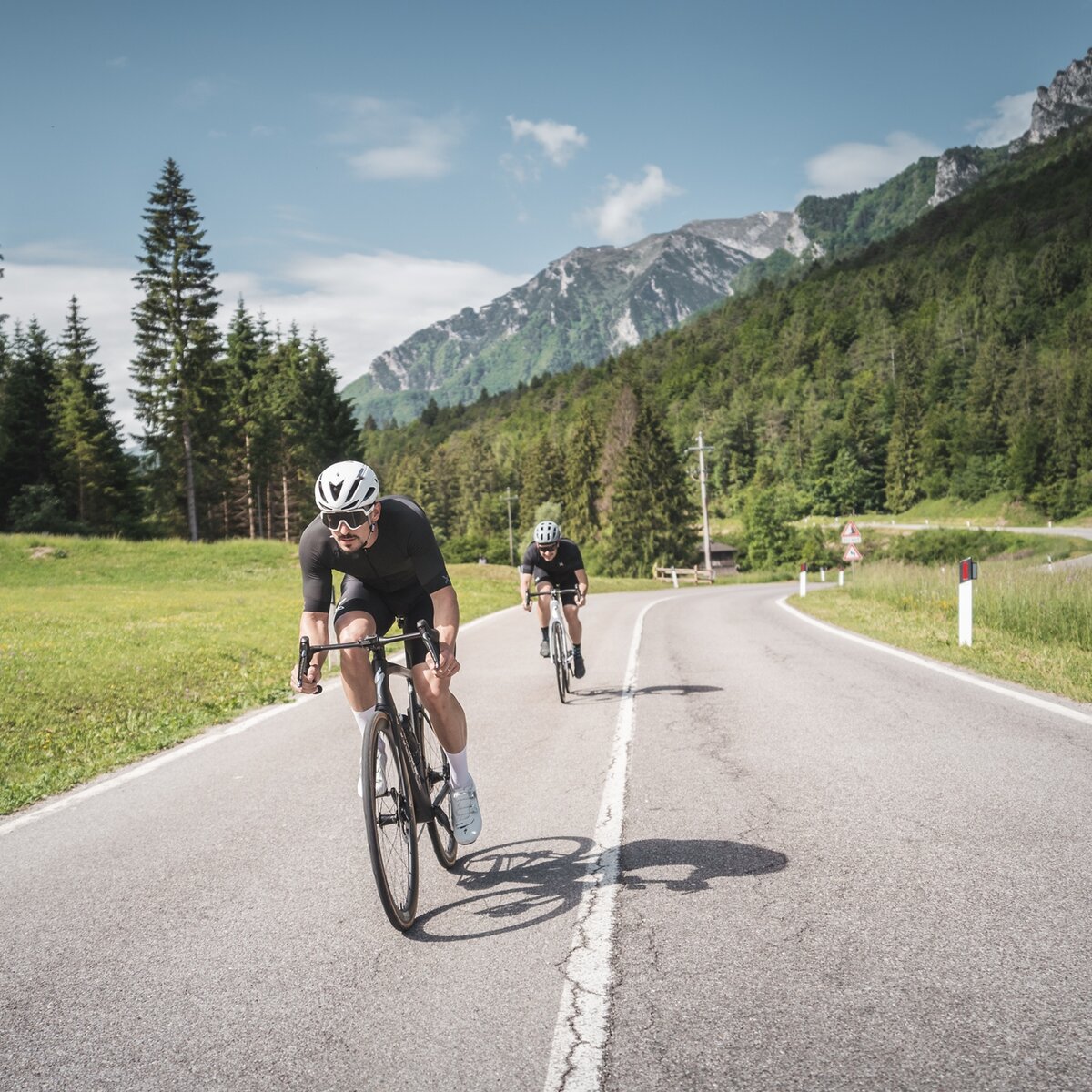
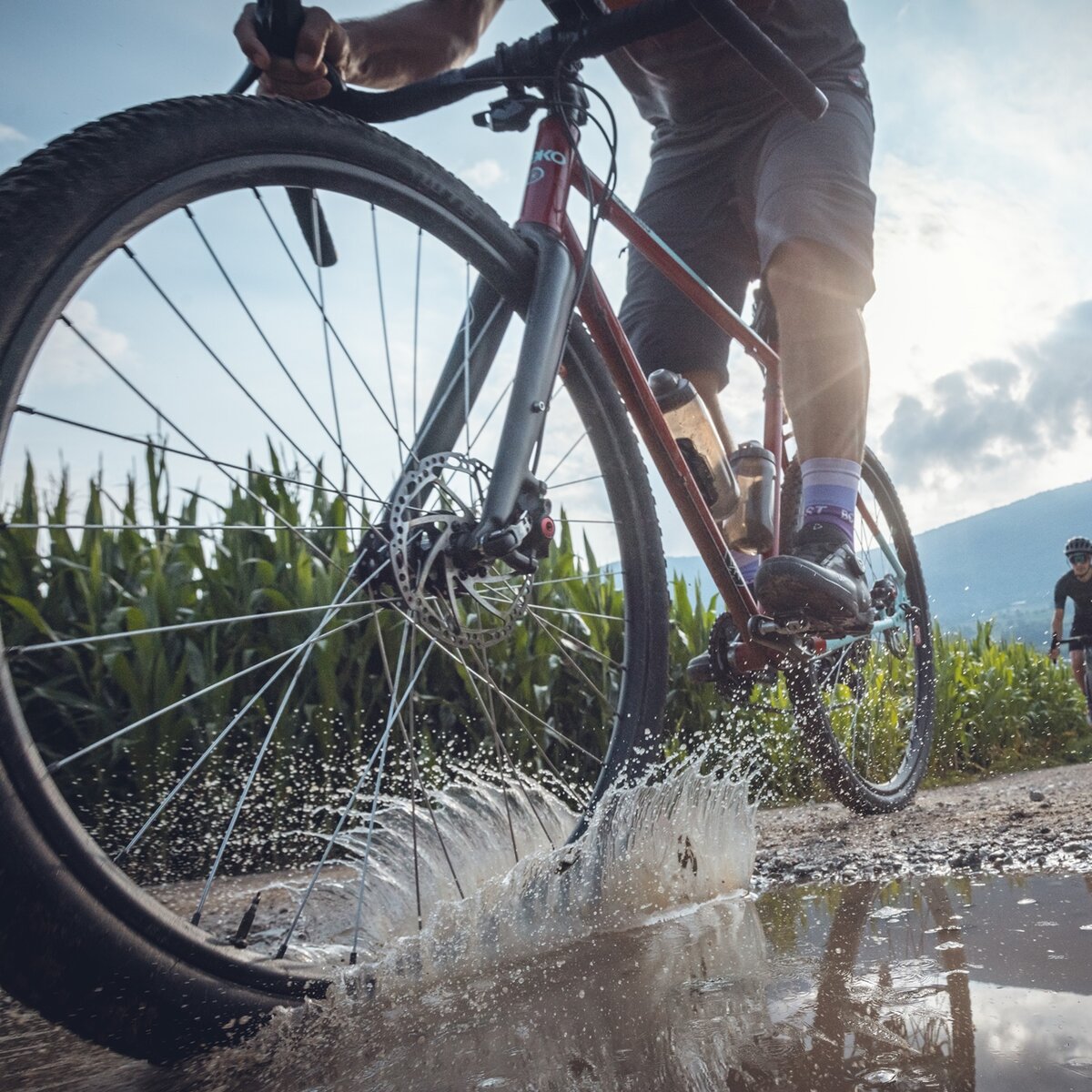
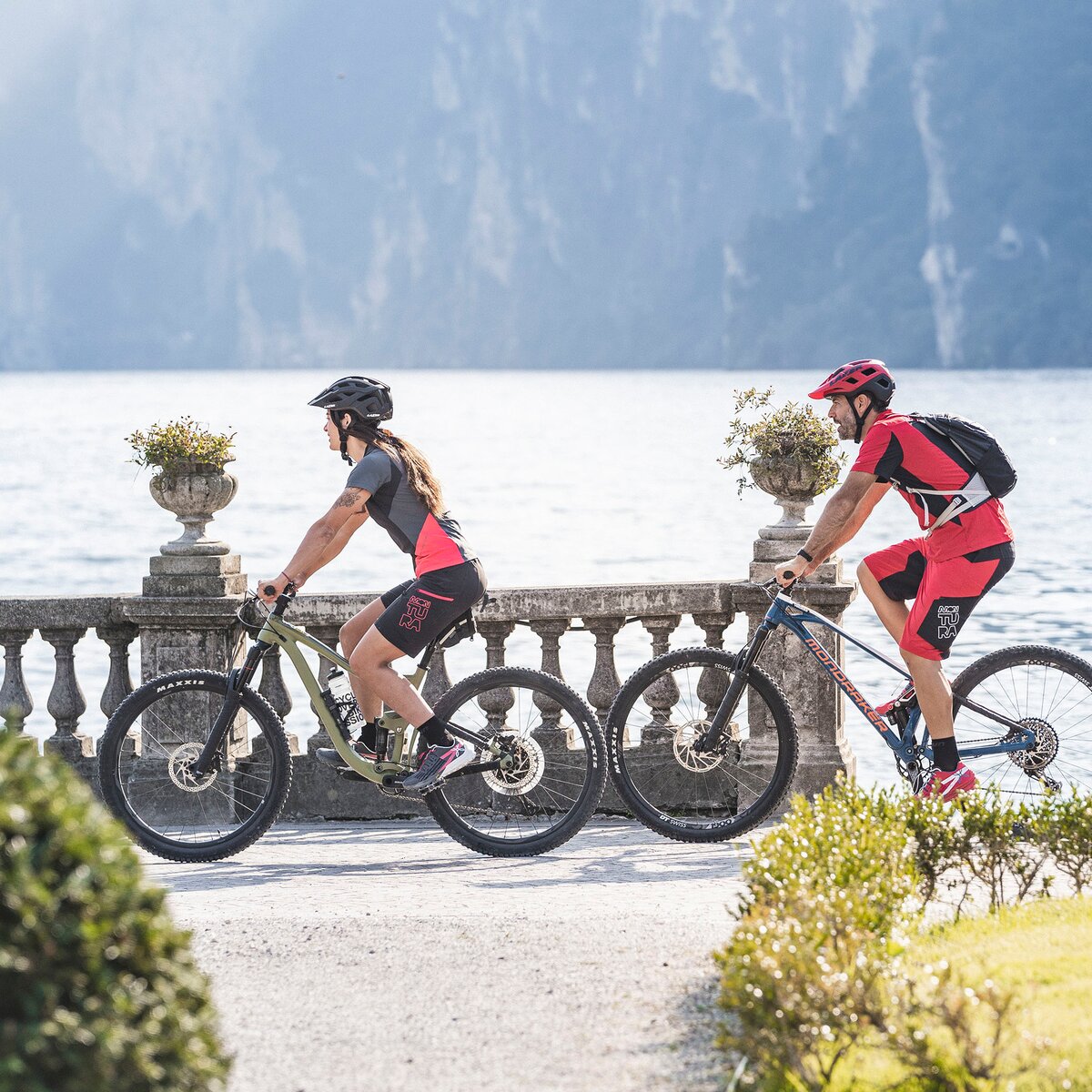
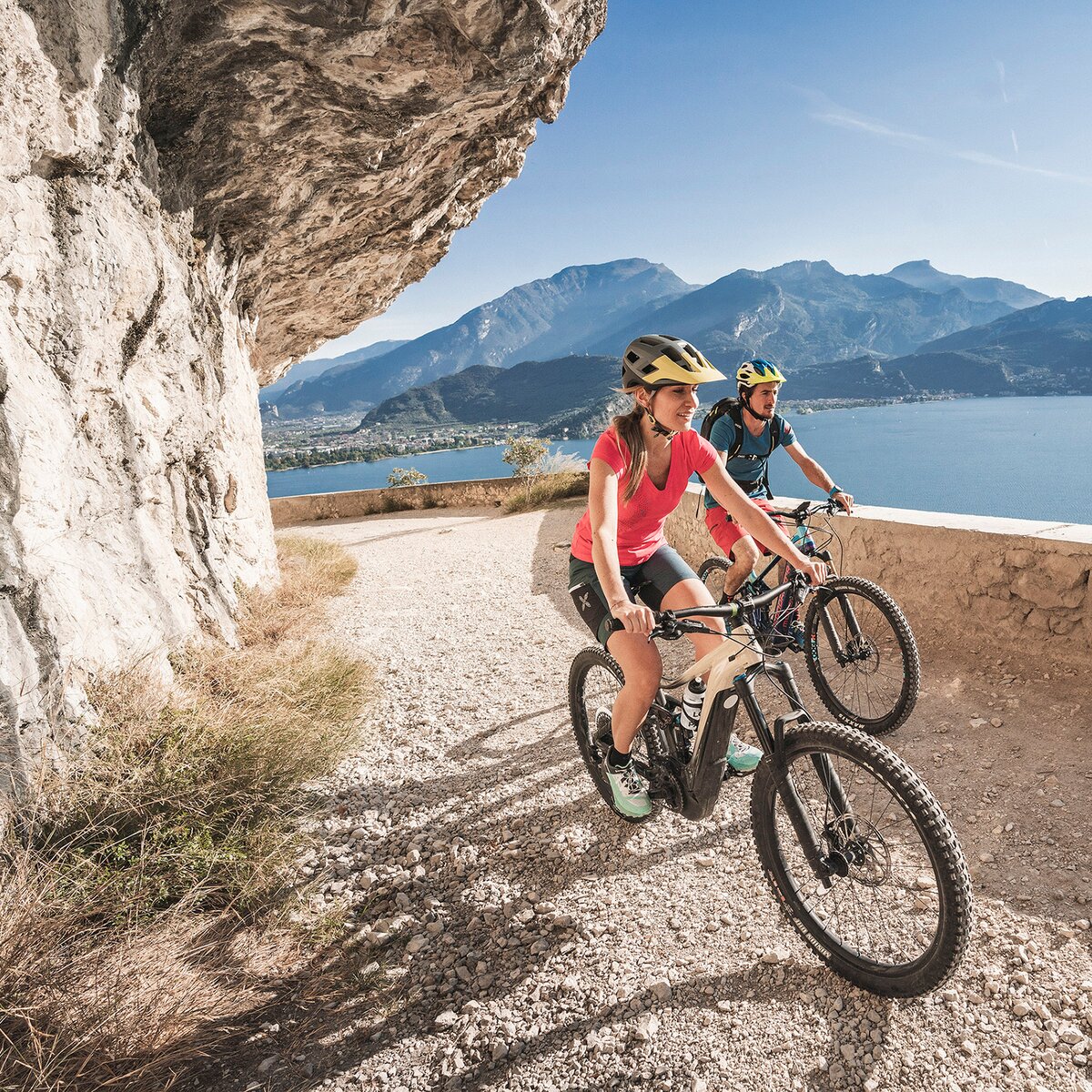
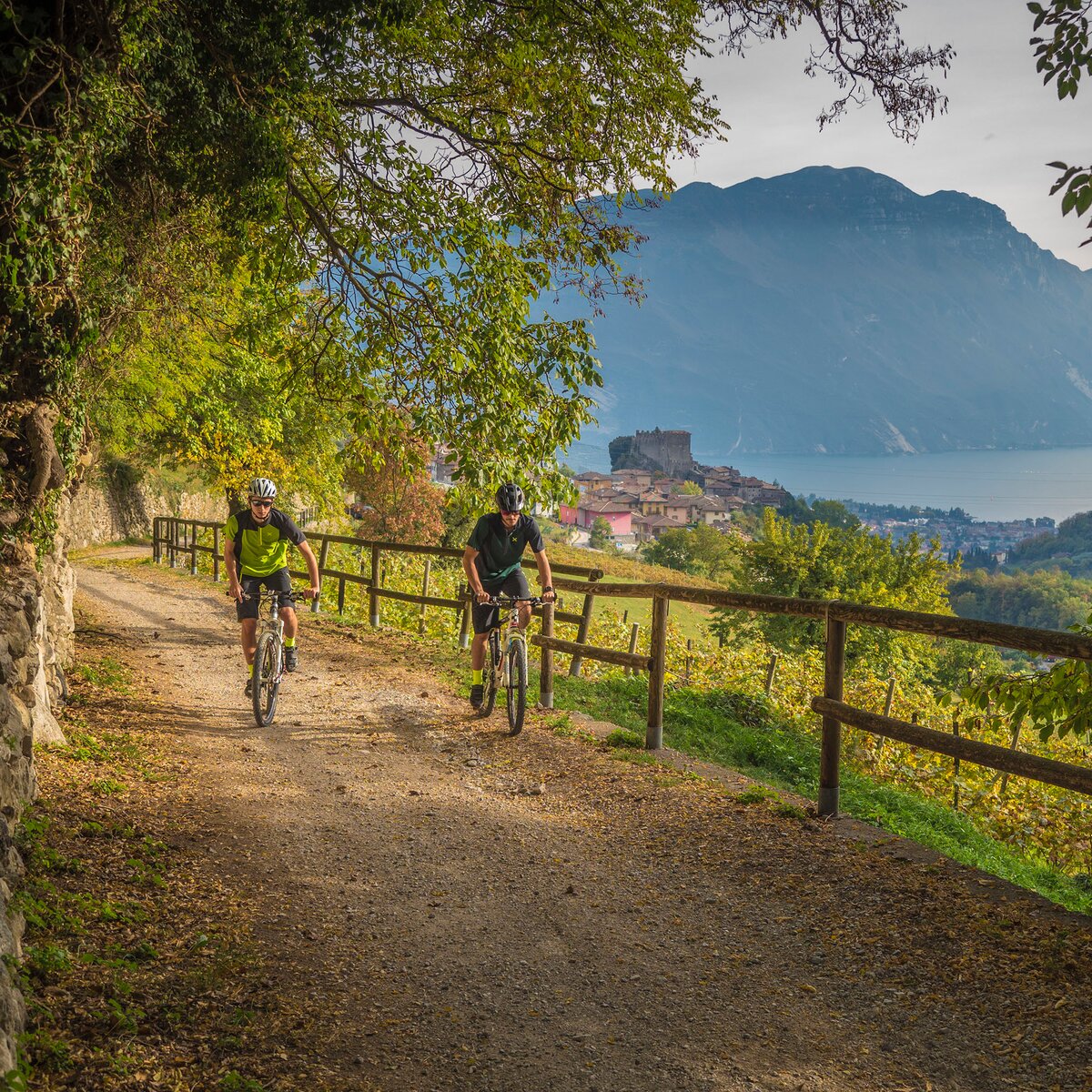
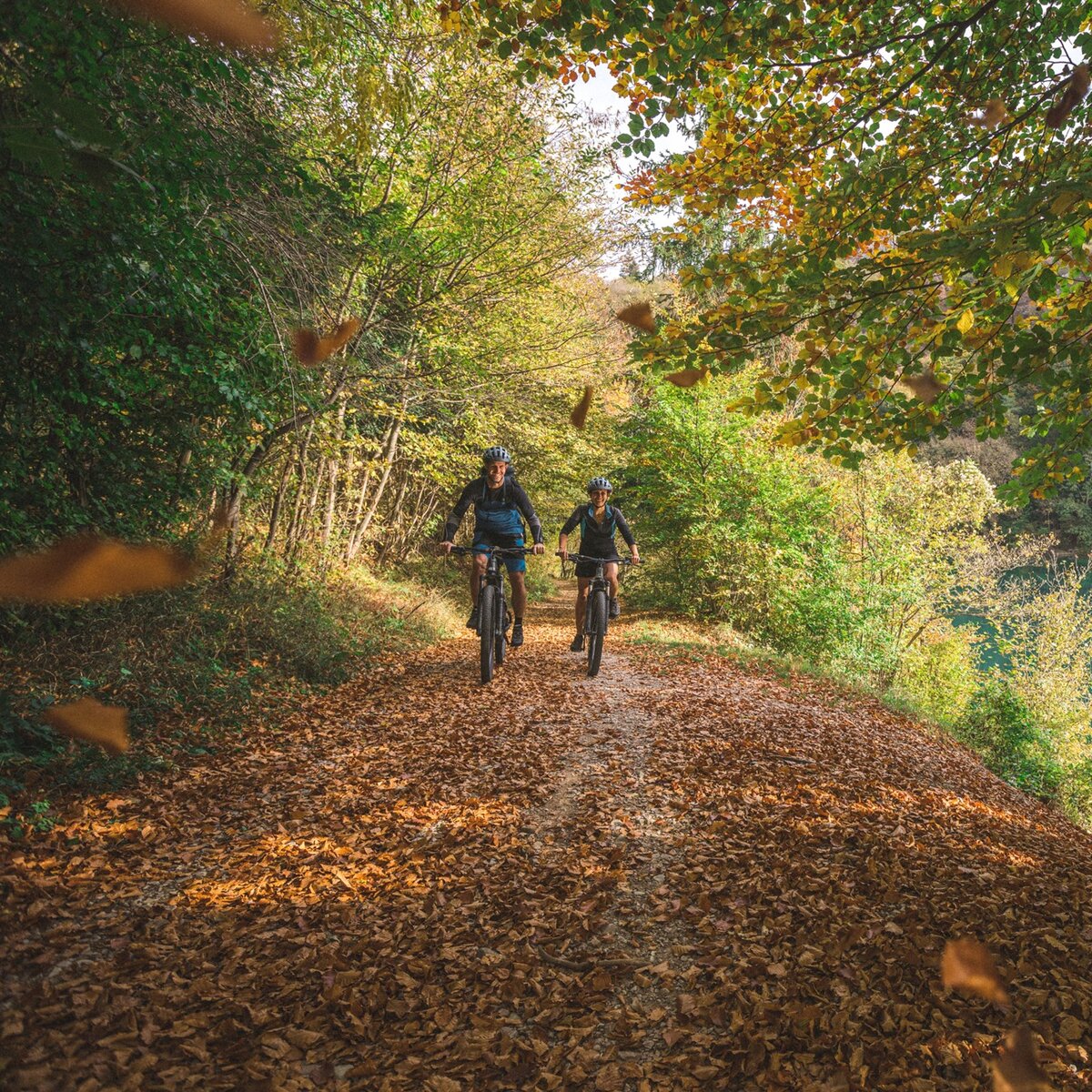
According to the Italian Association for Responsible Tourism, a good tourist is one who leaves only his or her footprints in the place visited; cyclists will only leave the tracks of their MTB tyres (if possible, not on pedestrians’ toes!).
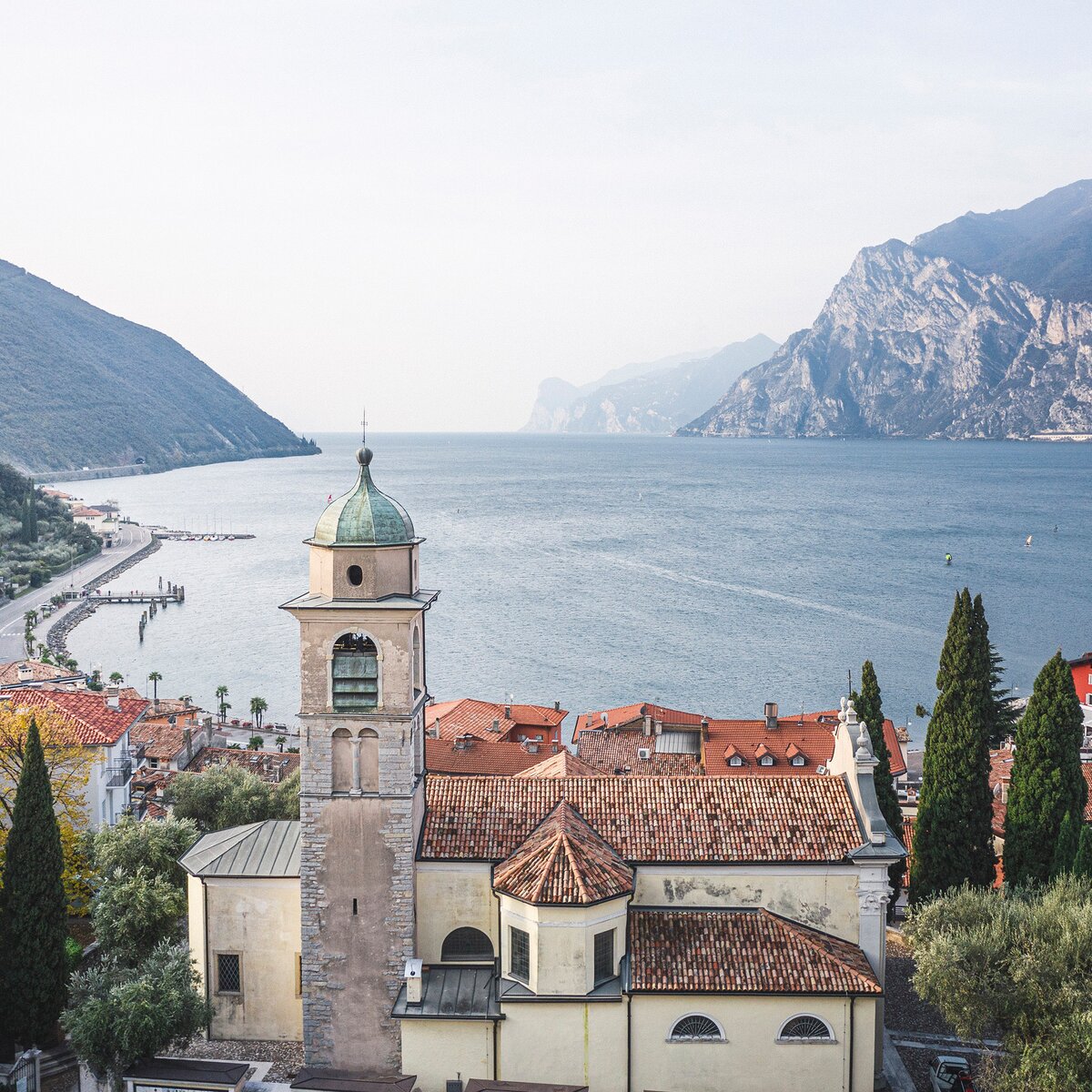
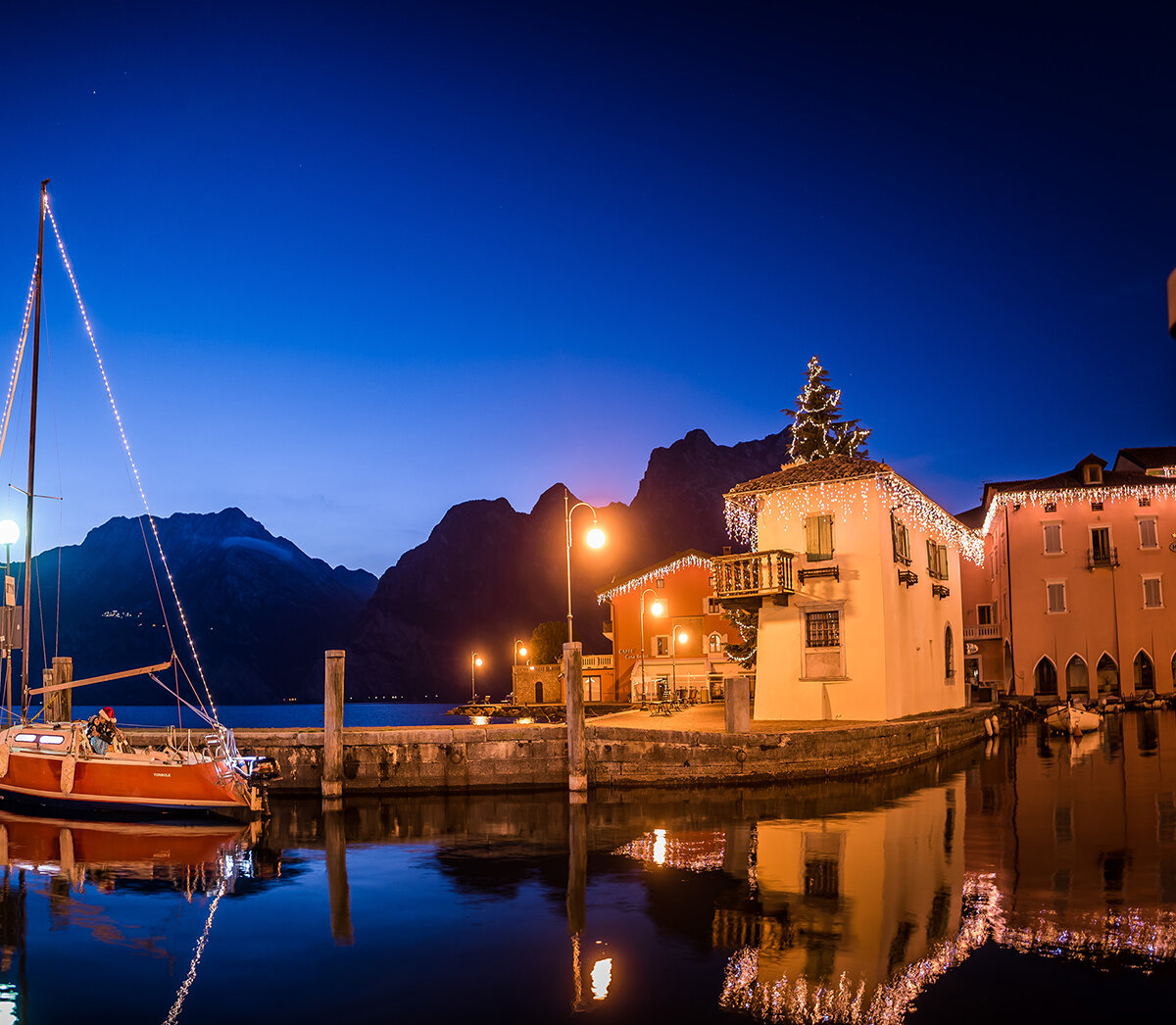
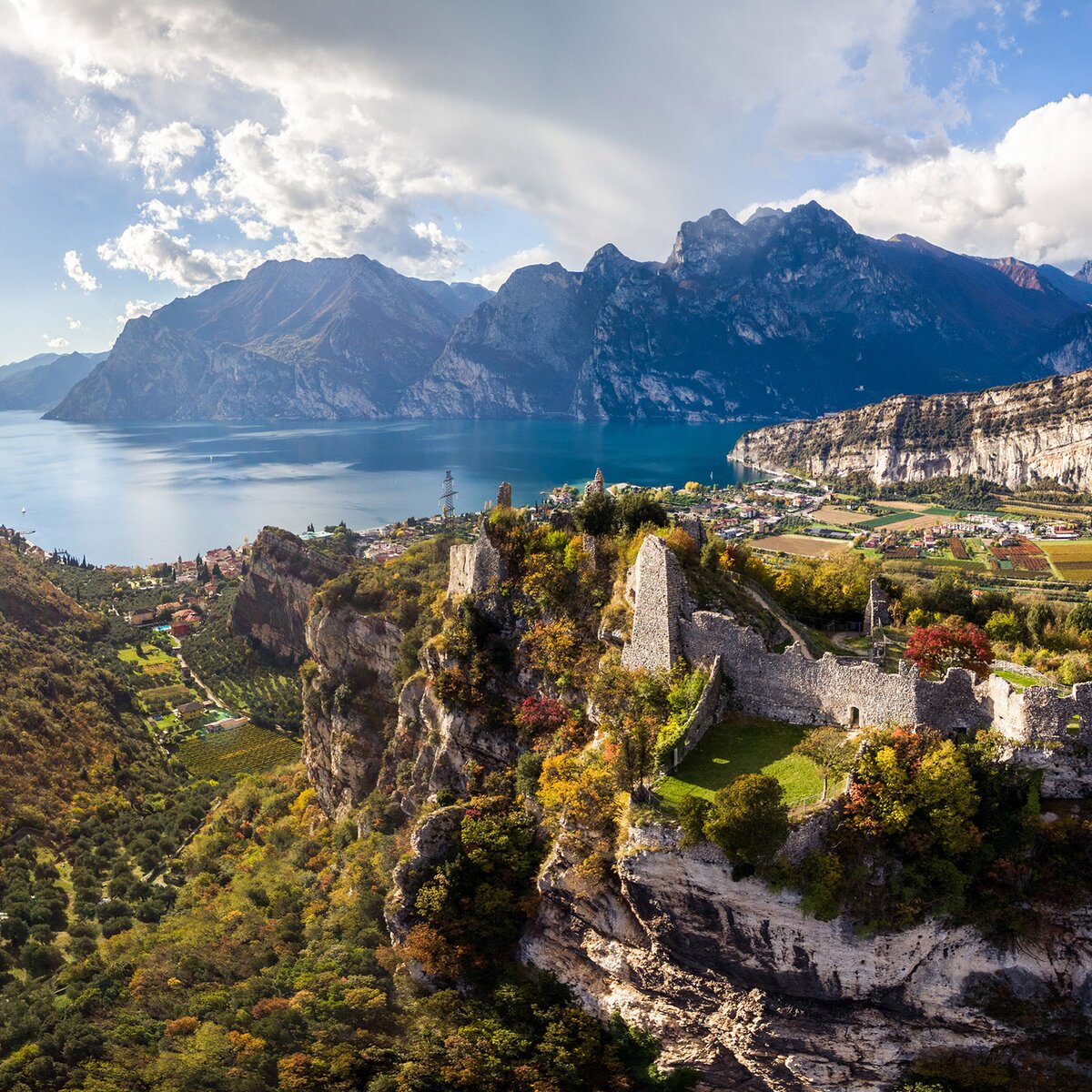
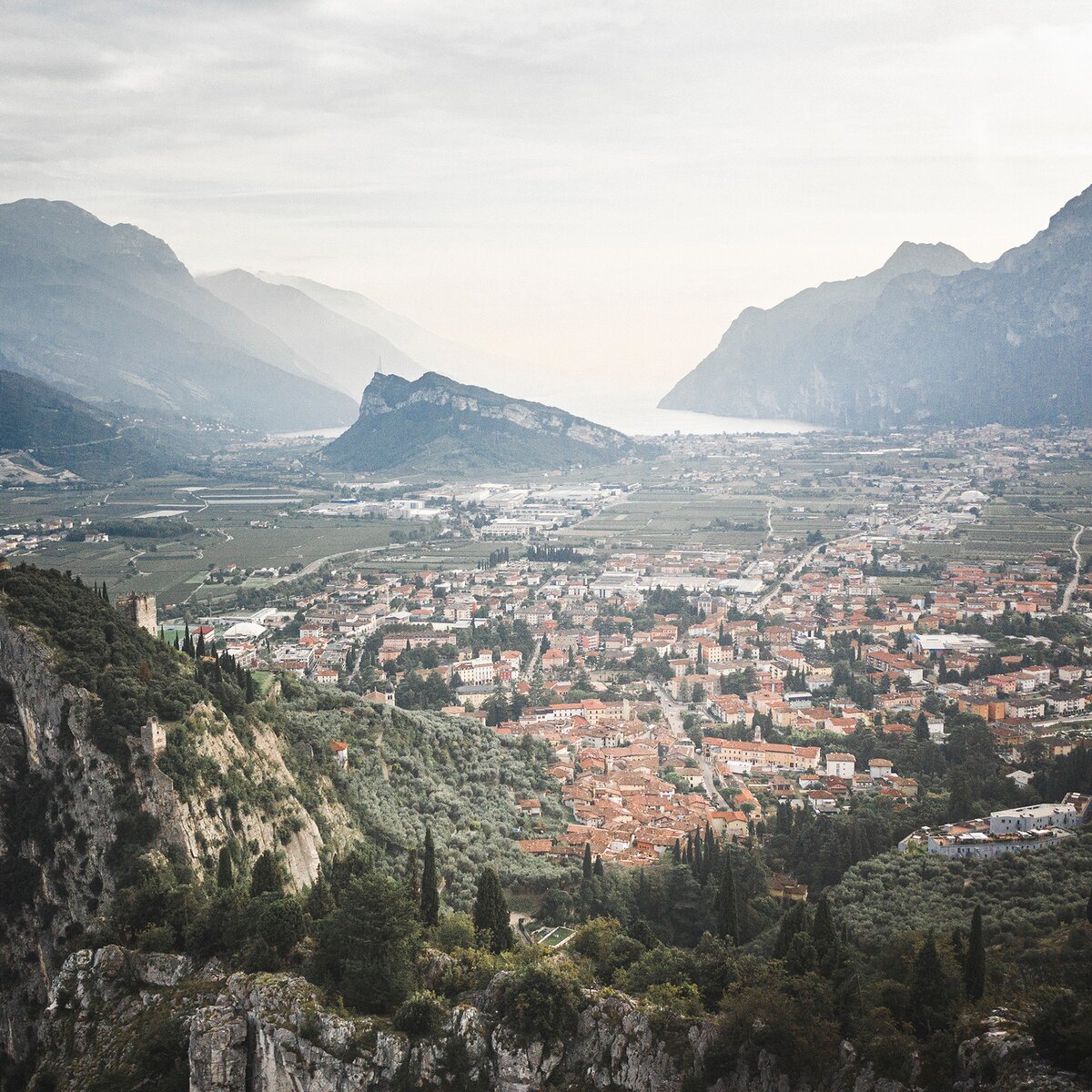
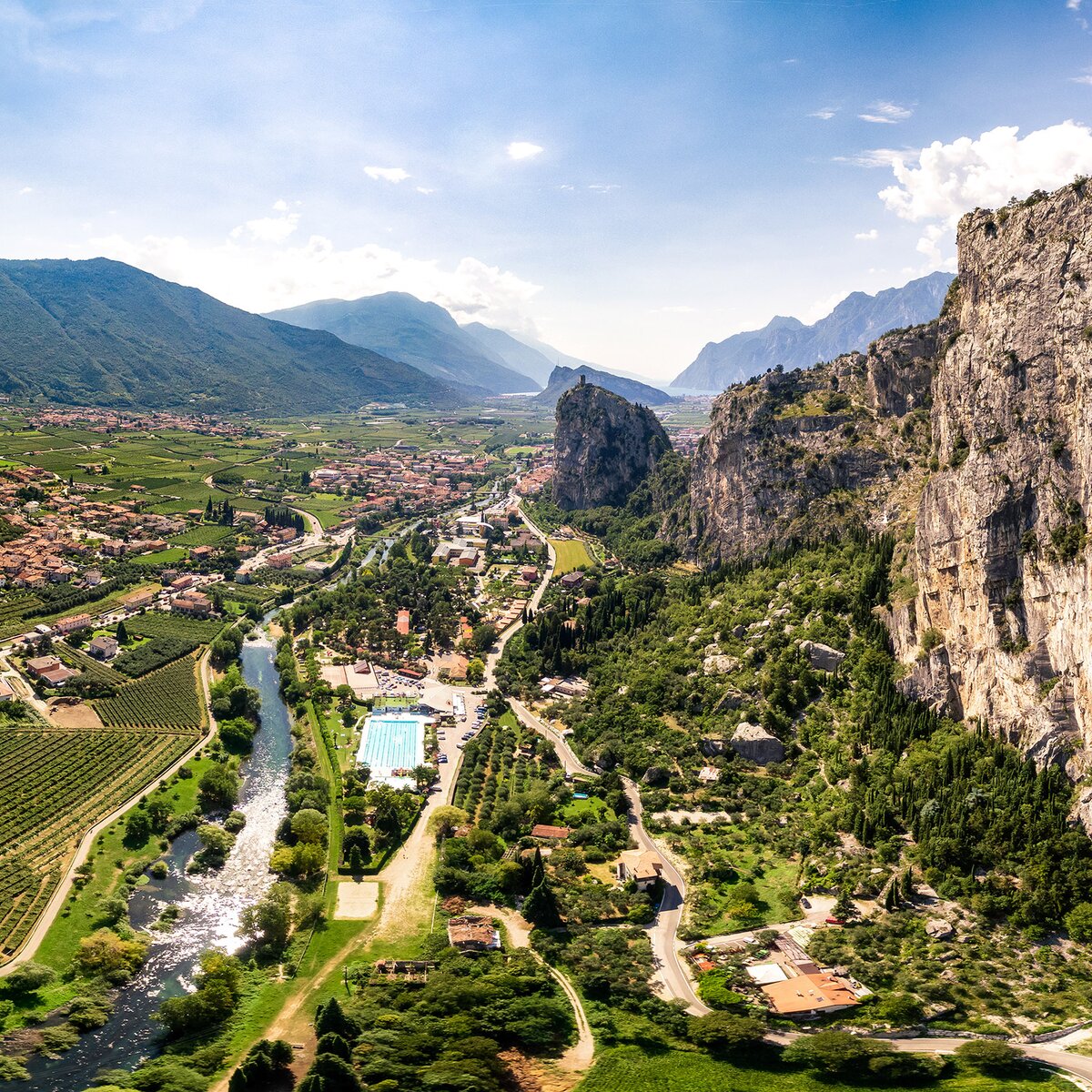
Some of the new labels that have sprung up in recent years include gentle, ecological, compatible, ethical, light, integrated, green and aware. To a greater or lesser extent, we have all moved on from the idea of a form of tourism that is omnipotent and predatory to a more sensible and respectful mentality. The basic idea is that, long before they become destinations, places are cultural actors who speak through the landscape: treasures of identity, memory, languages, material cultures, symbolic and affective messages. Winter is never a “dead” season at Lake Garda: people live, work and love here all year round.
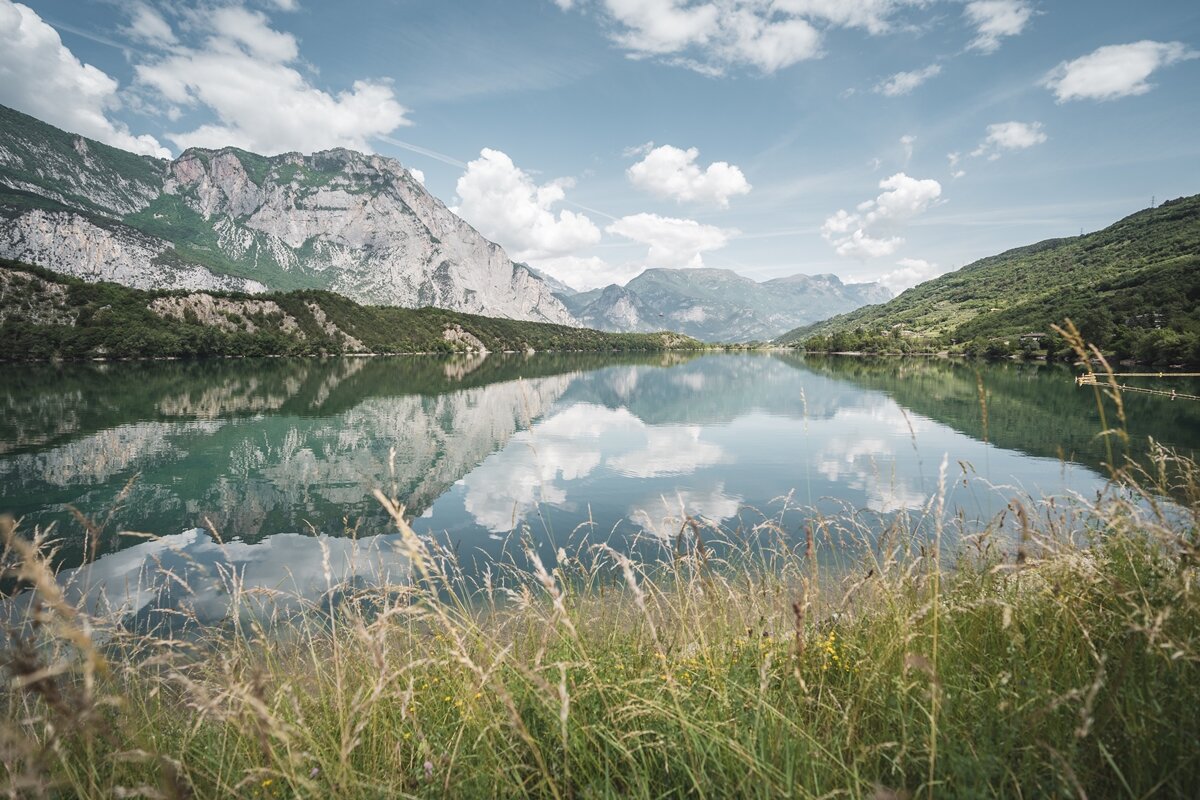
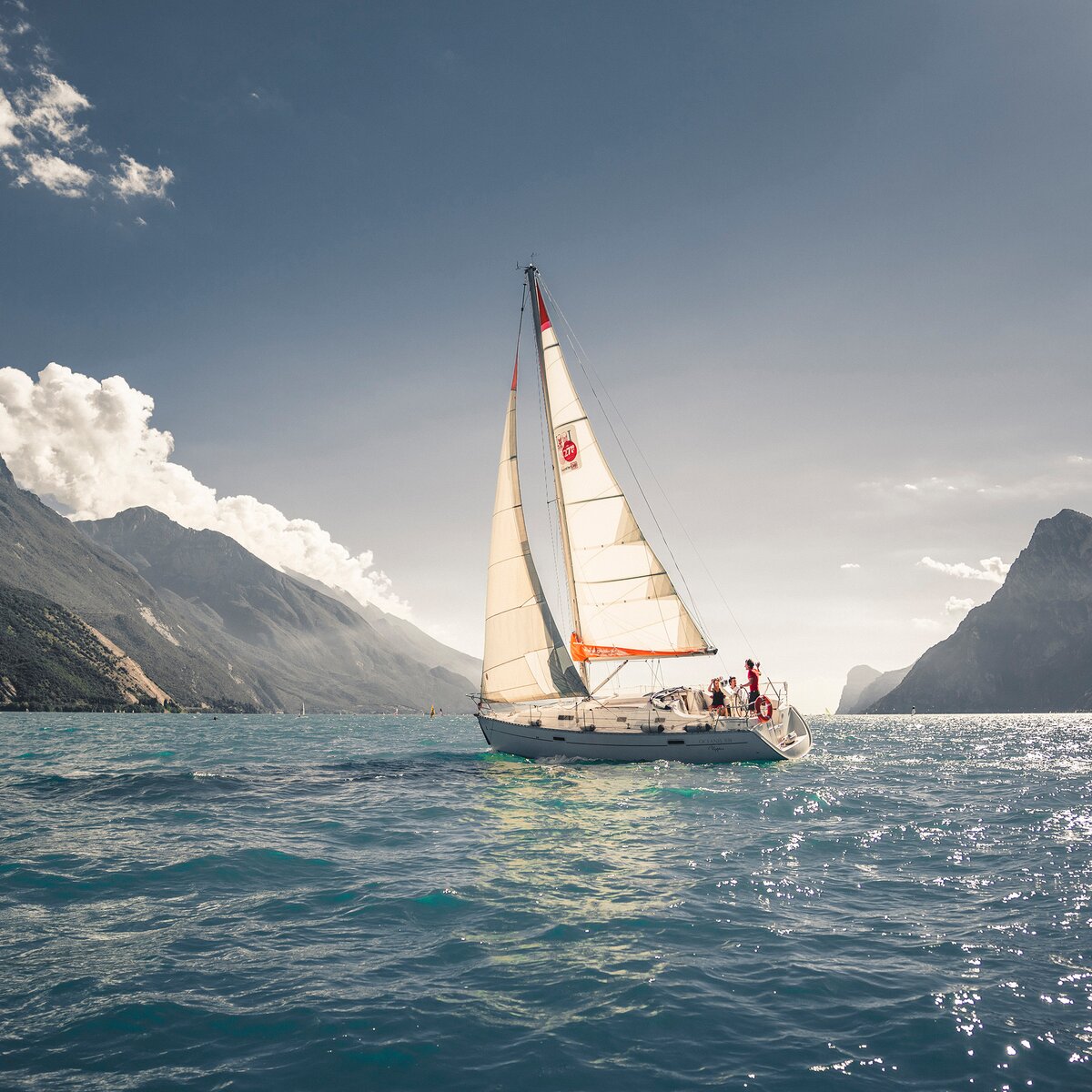
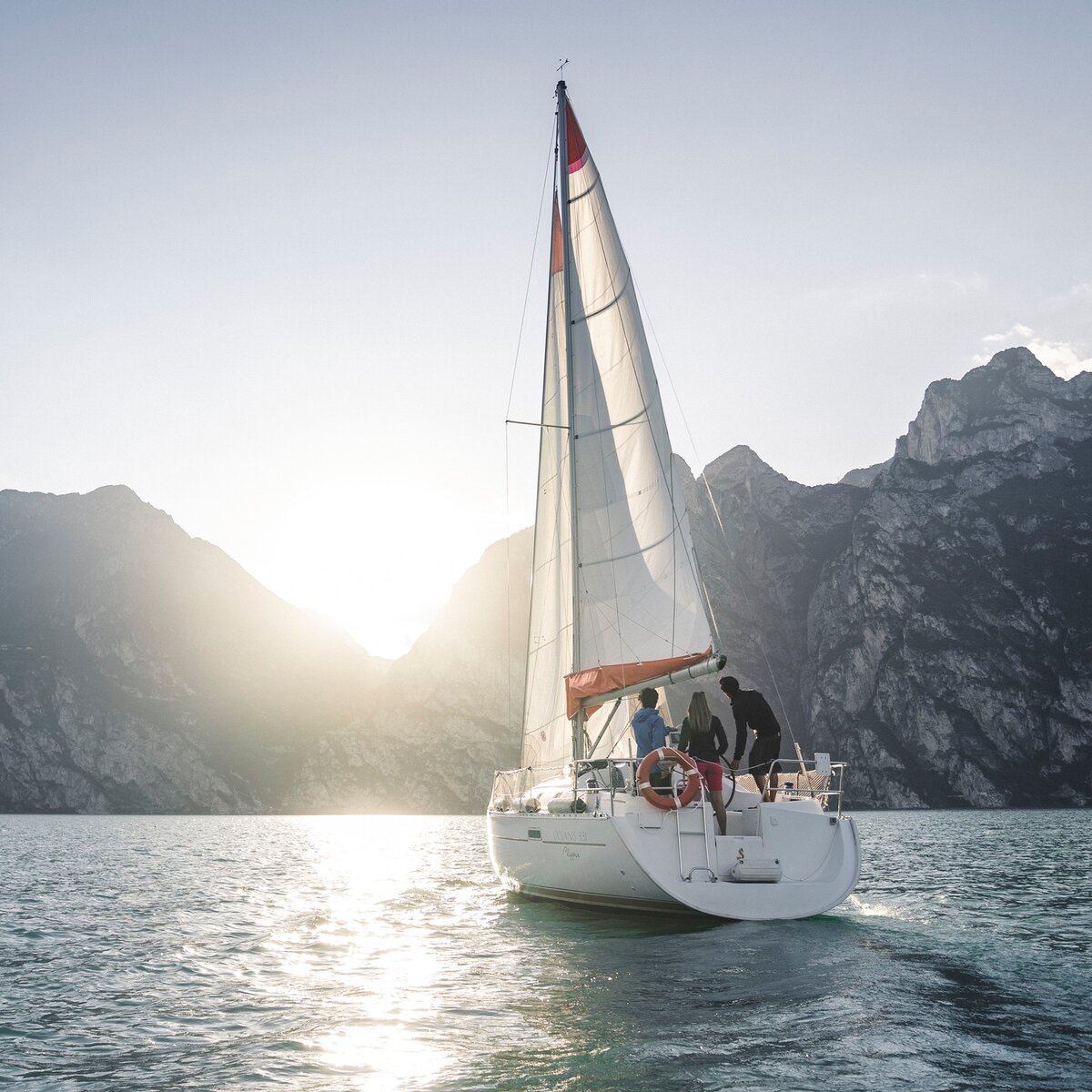
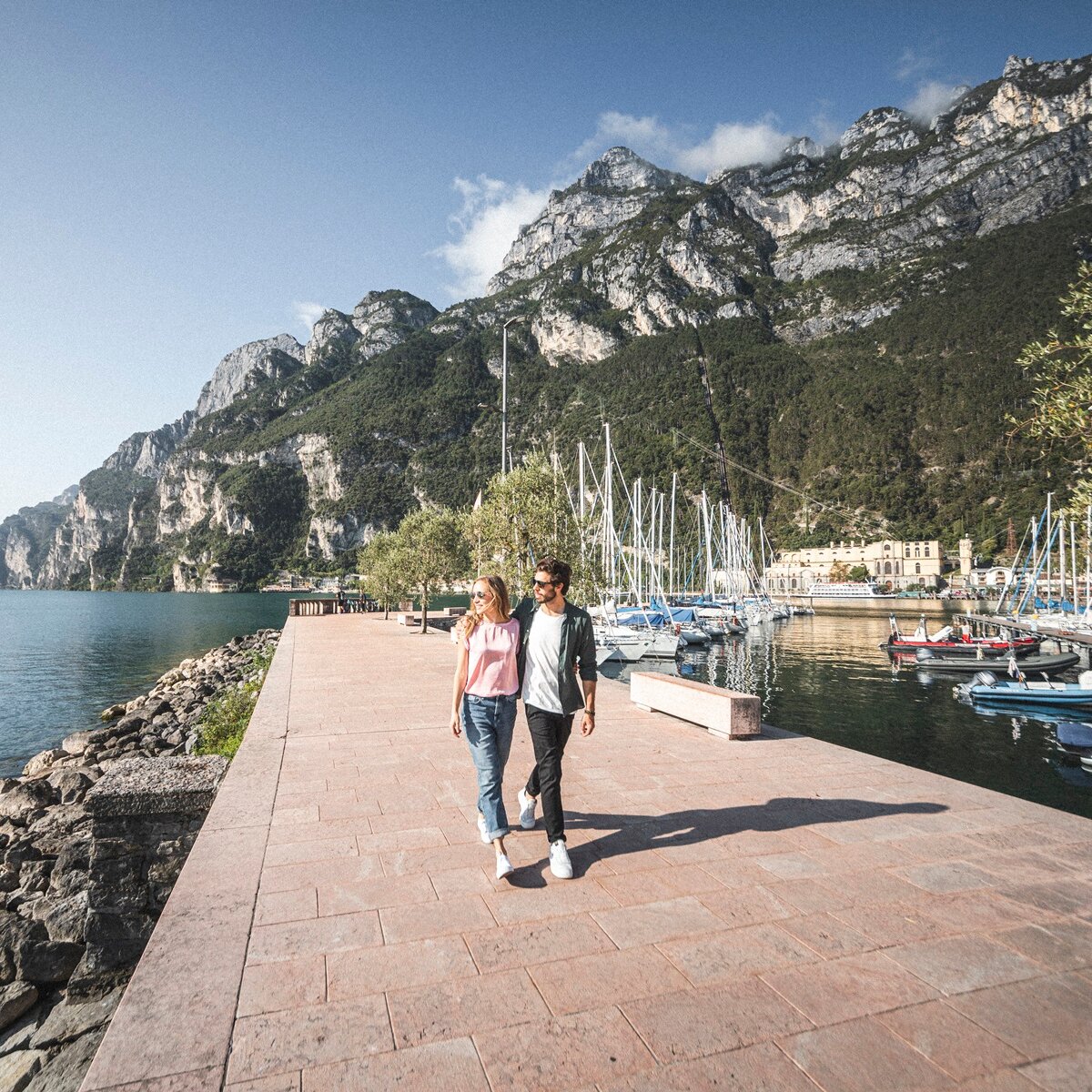
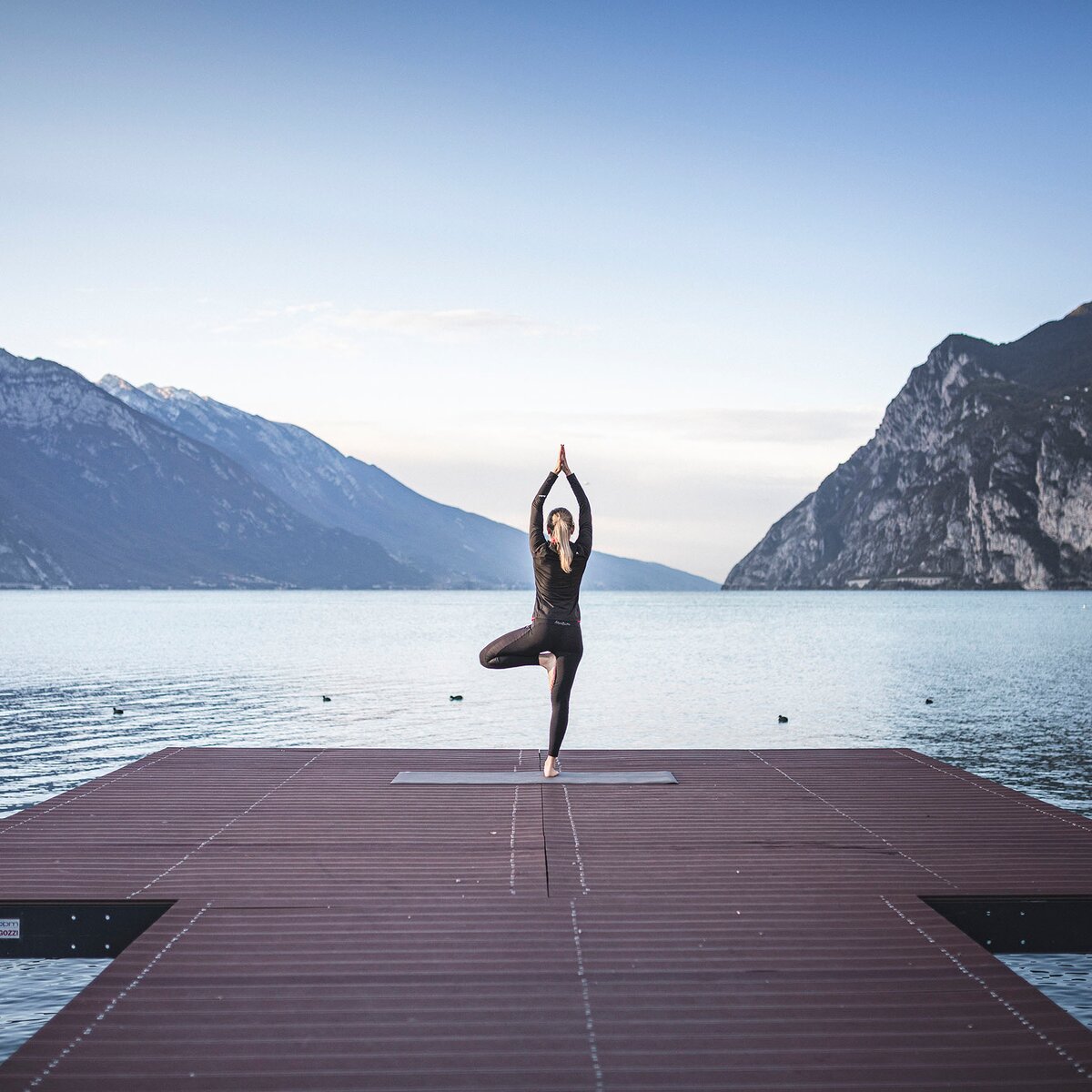
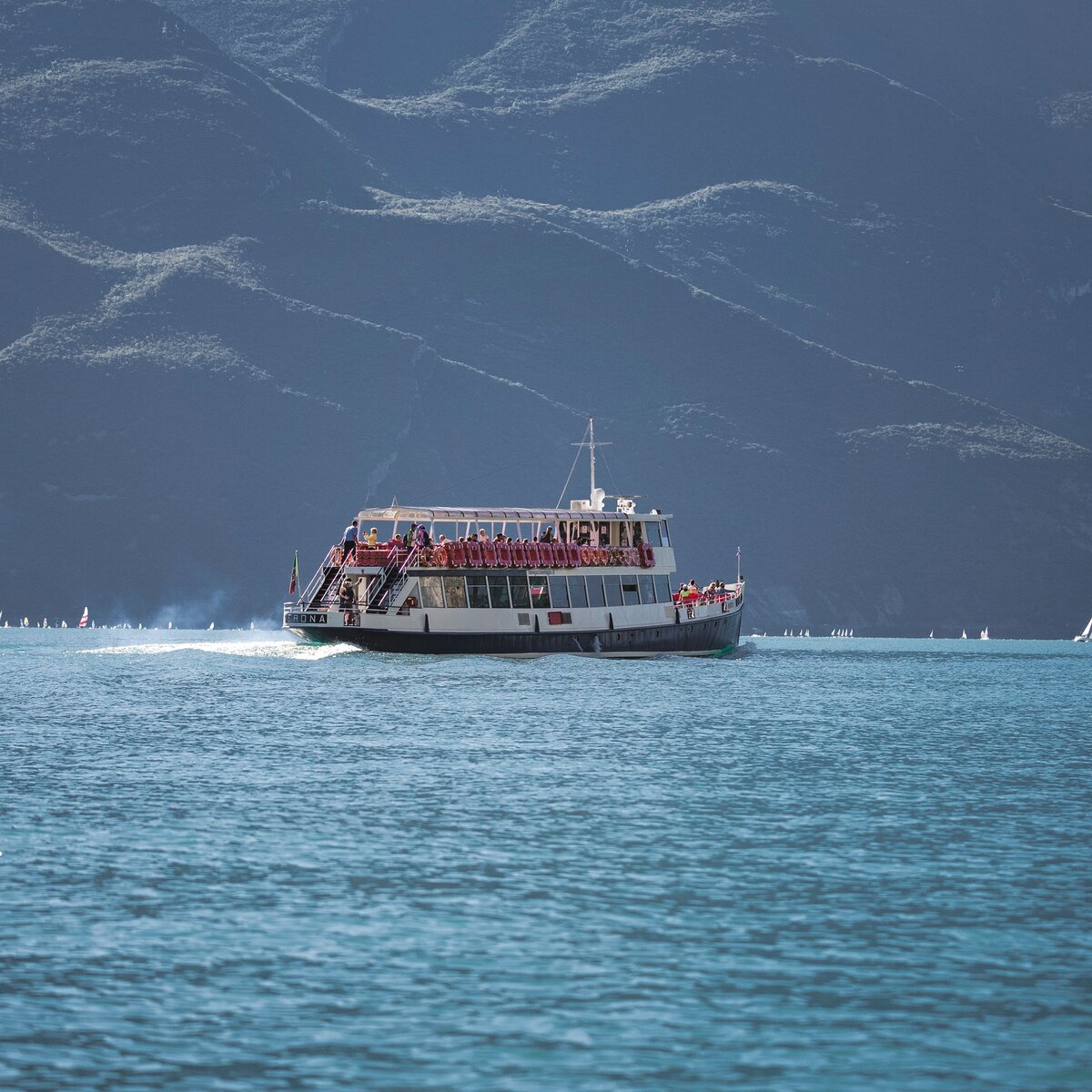
Sustainability means a culture of limits. Often, limits are not obstacles but rather blessings. Of course, this applies to visitors and locals alike. In the end, it is a matter of choice: for example, like the choice that Garda Trentino made to ban motorboats; this was a major decision, as the soundscape (which is part of the landscape) also expresses the spirit of the location. Are not our grandchildren – whether as residents or as guests – entitled to enjoy the landscape and a good quality of life?
Let us be clear: sustainable tourism is not a fad nor a niche. One day, all tourism – according to a Council of Europe recommendation – should become sustainable!
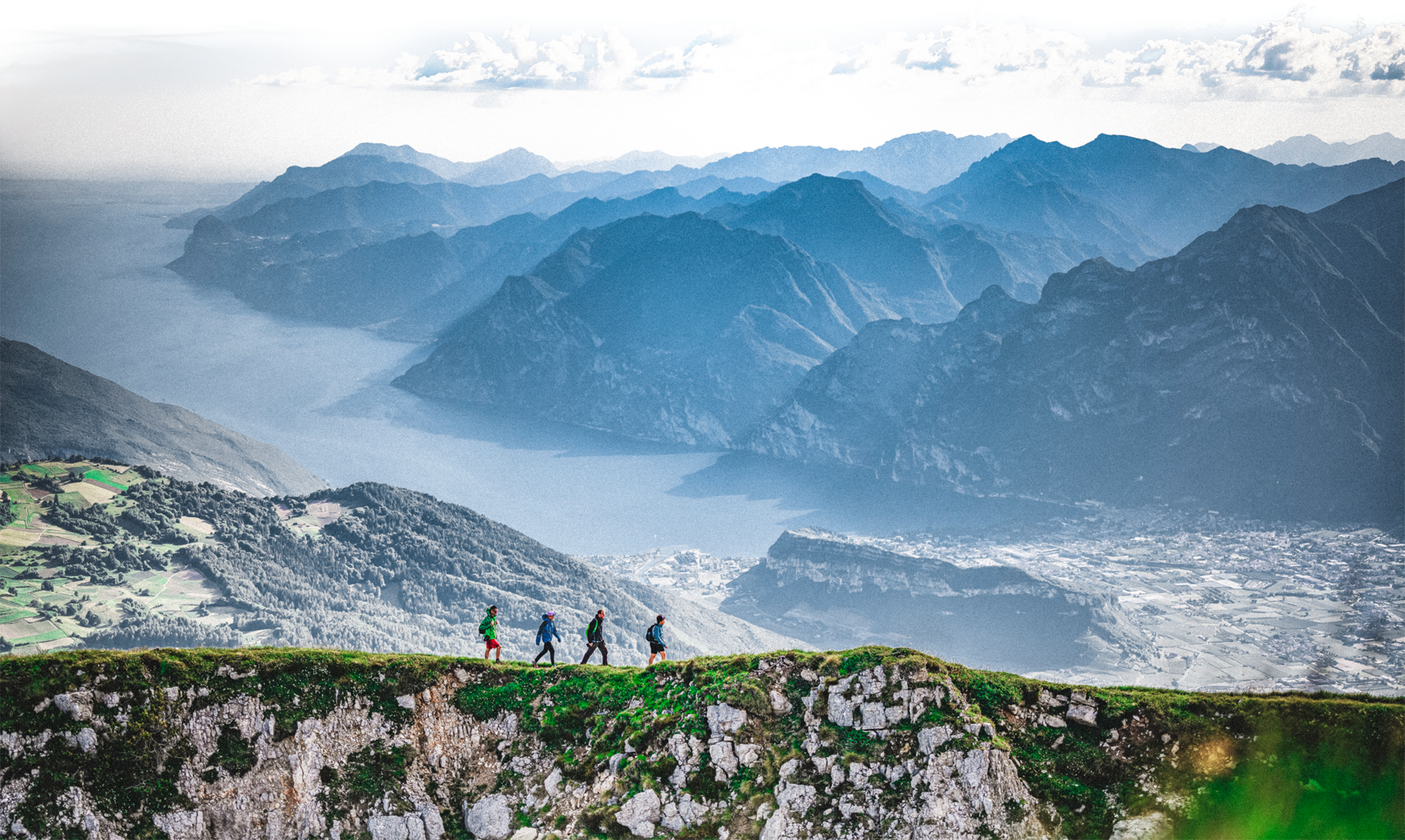
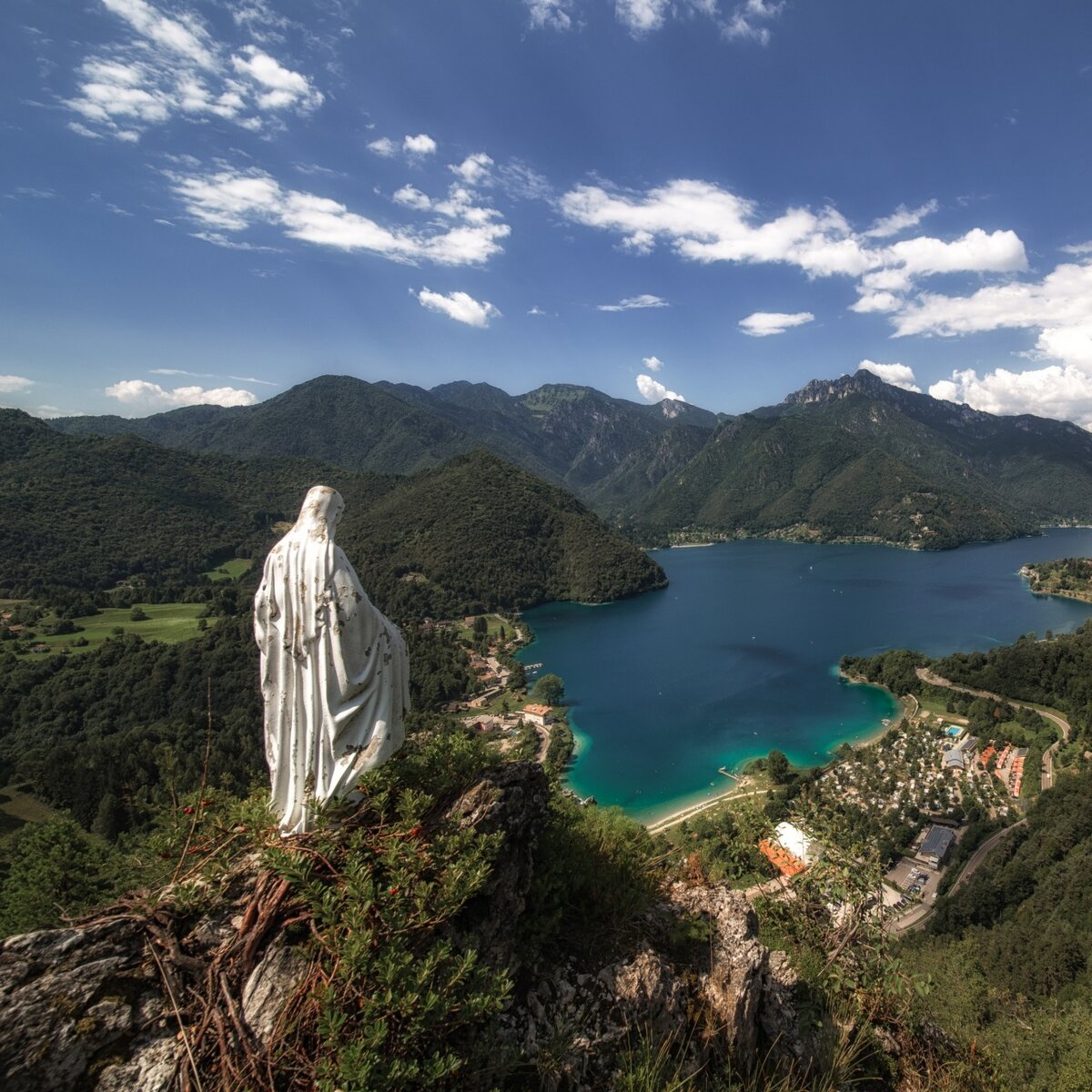
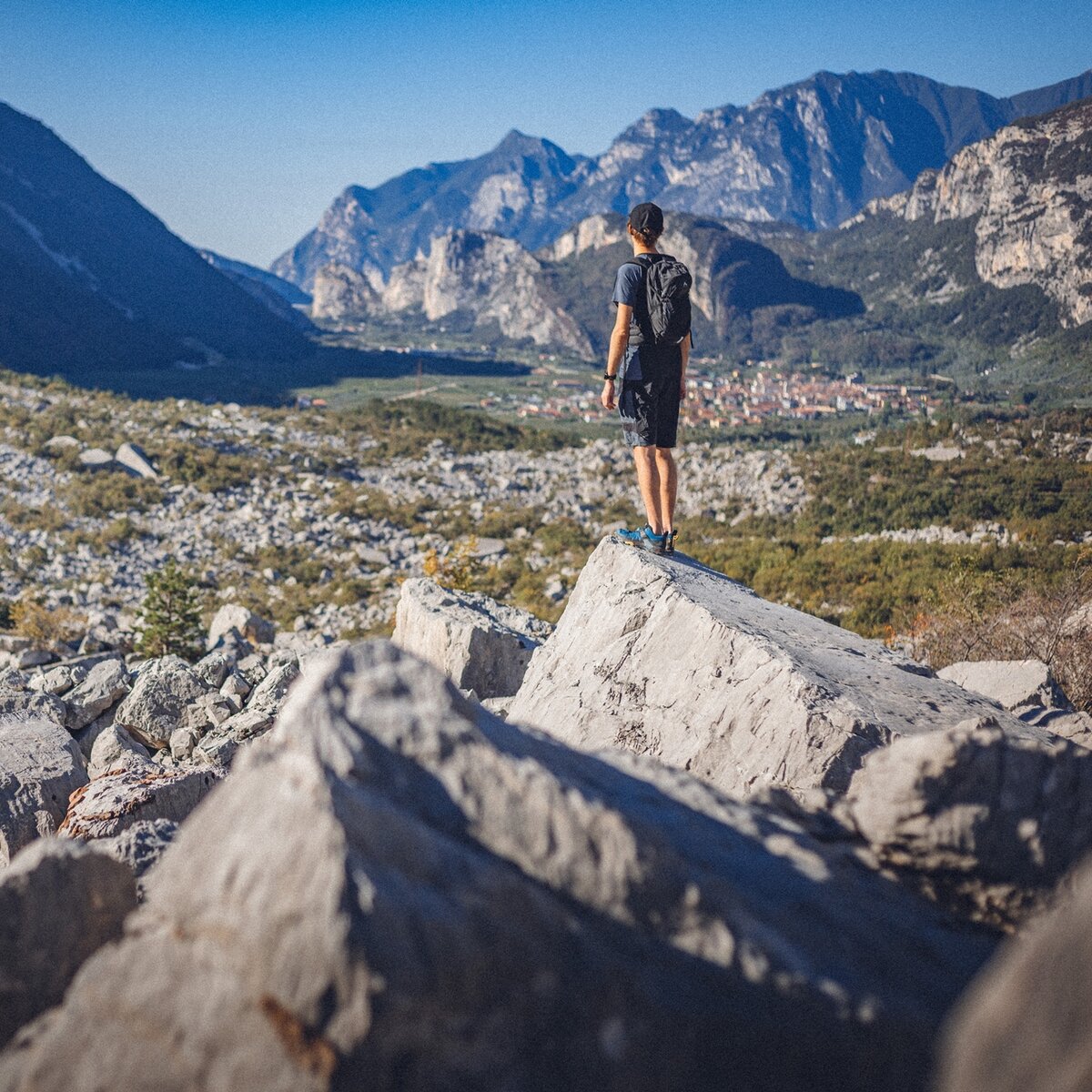
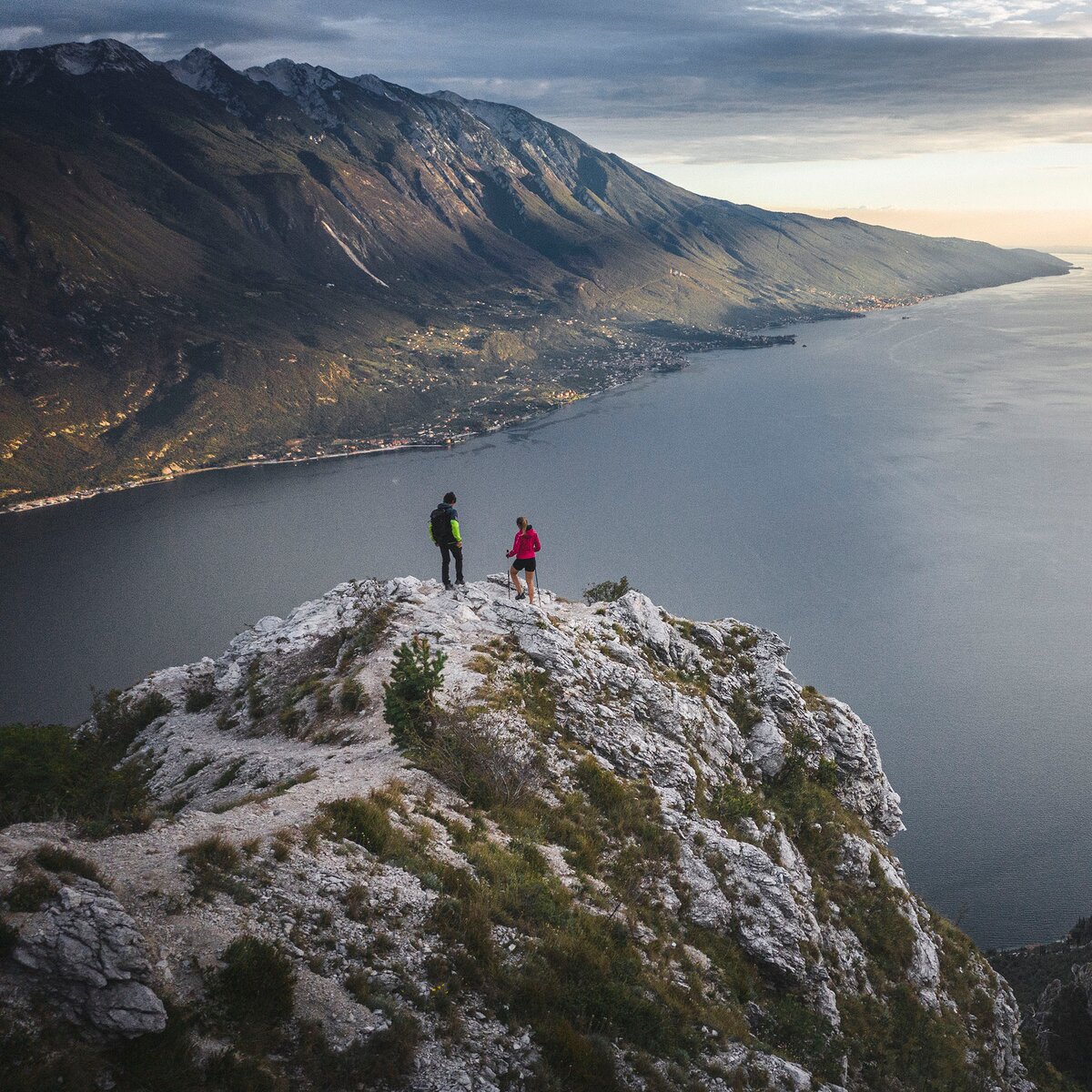
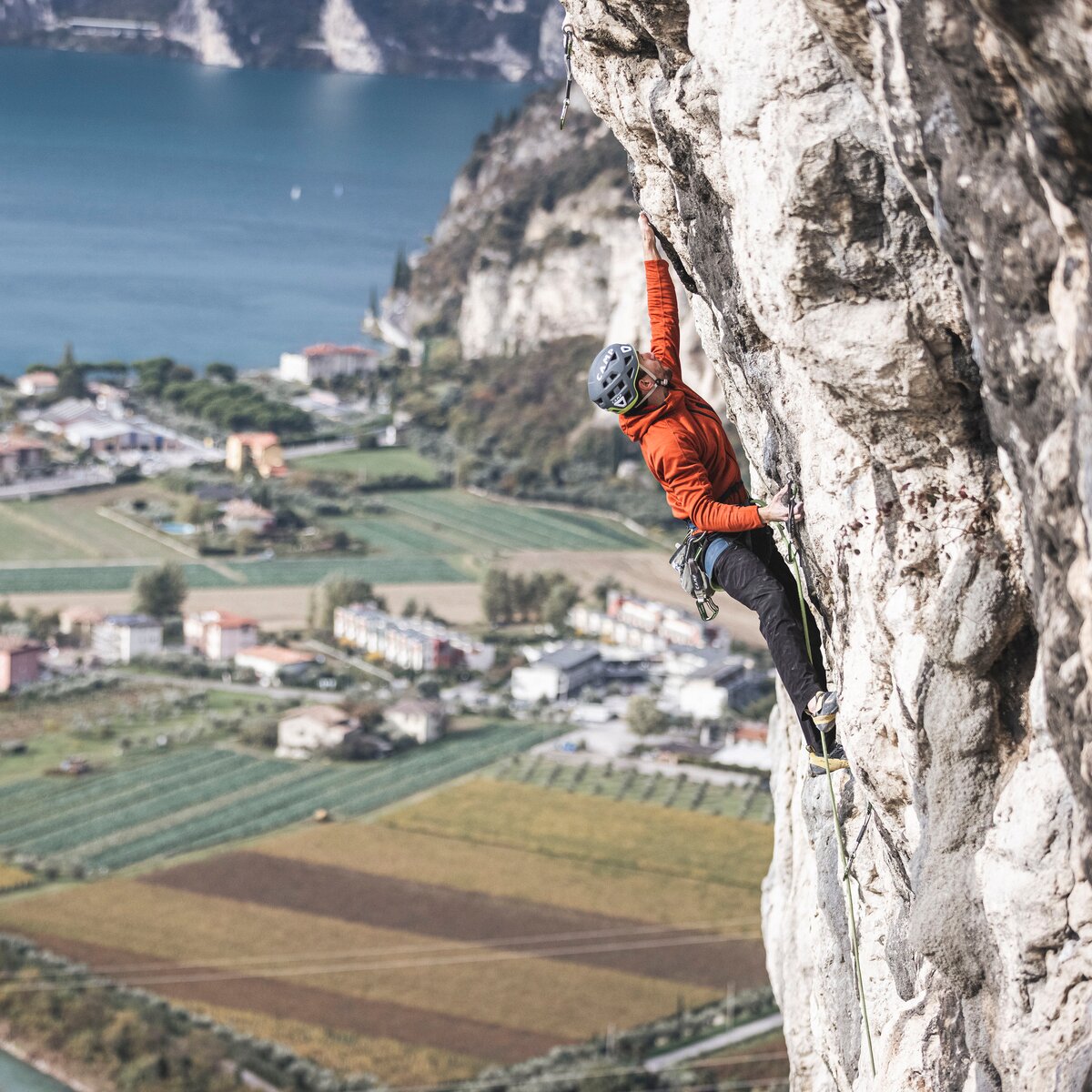
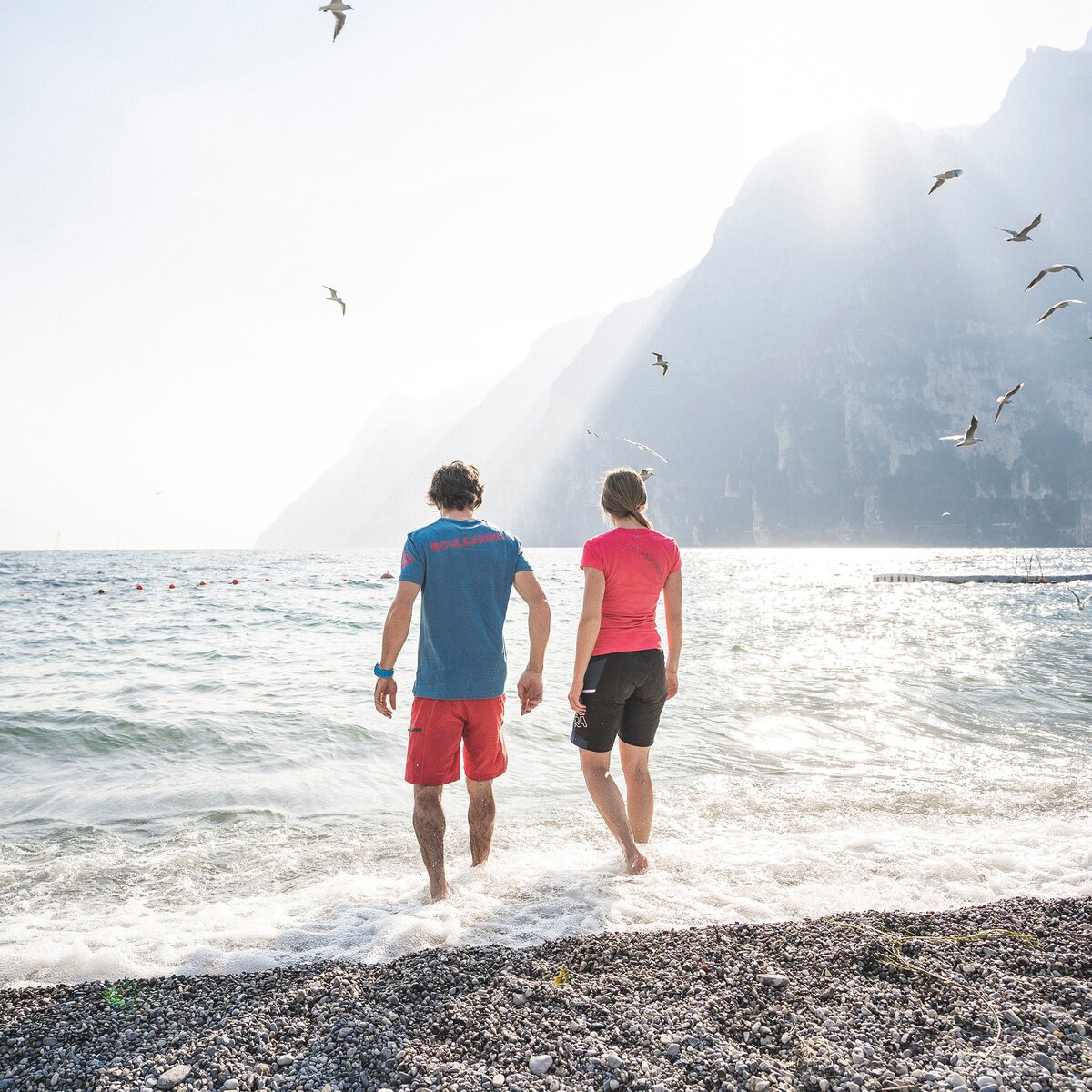
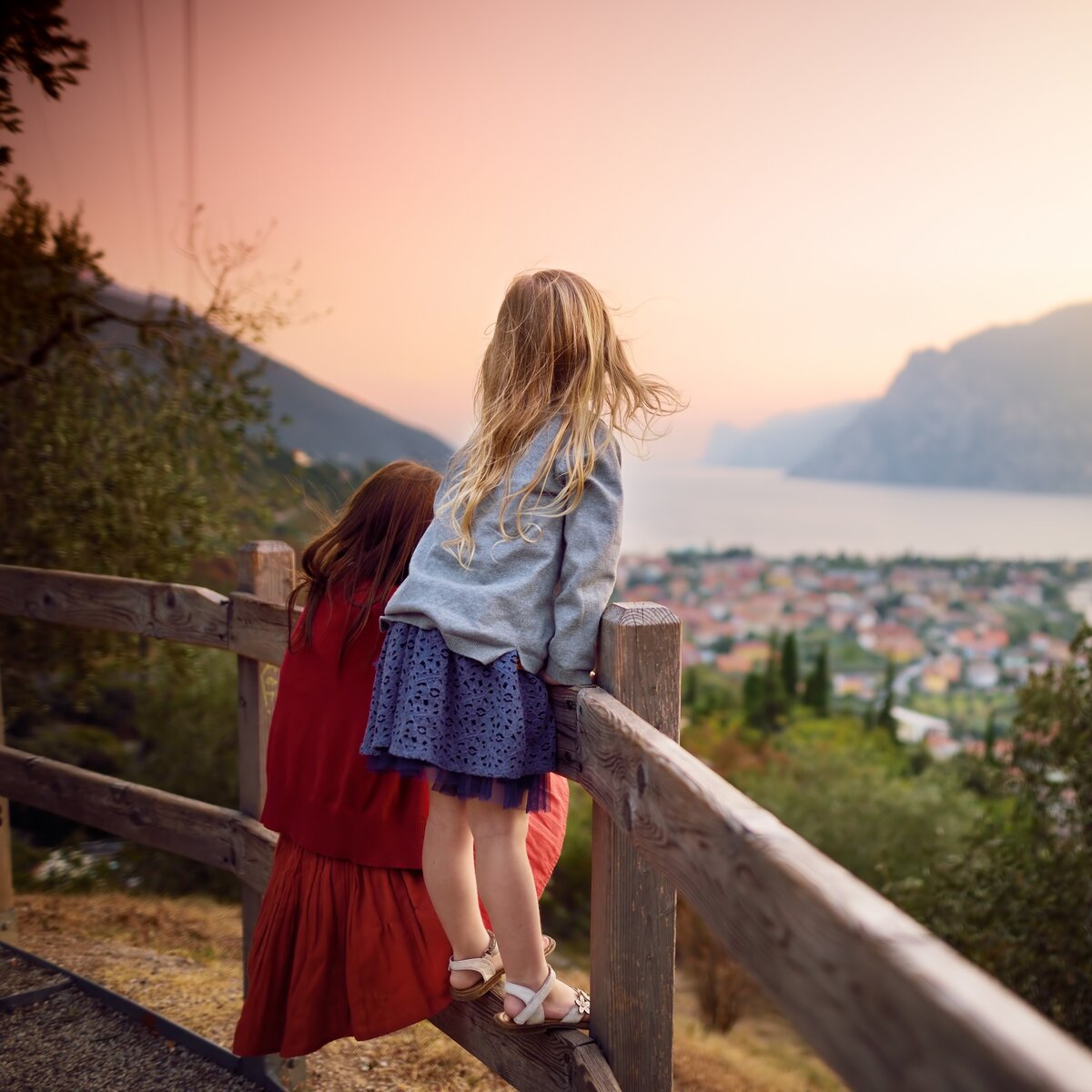
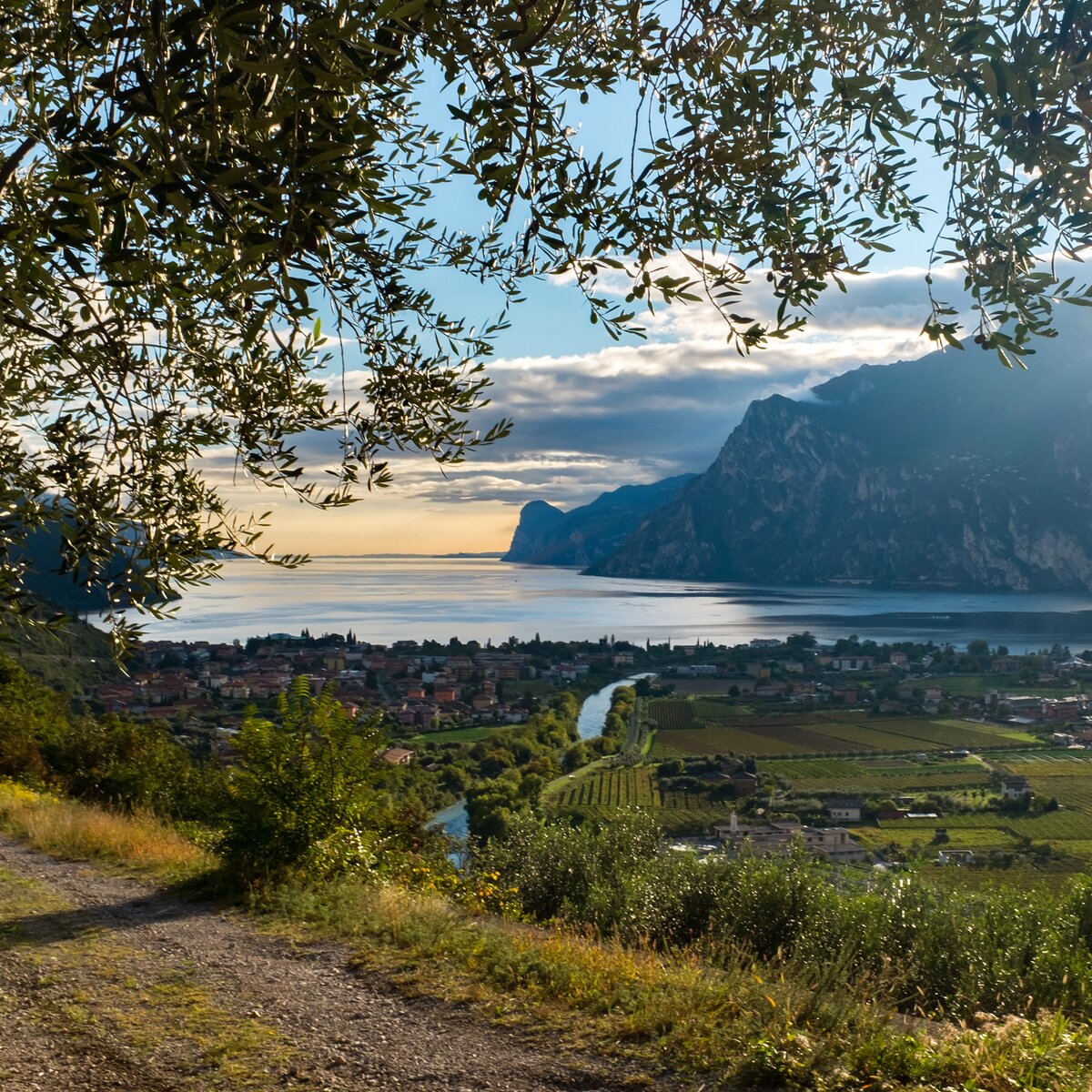
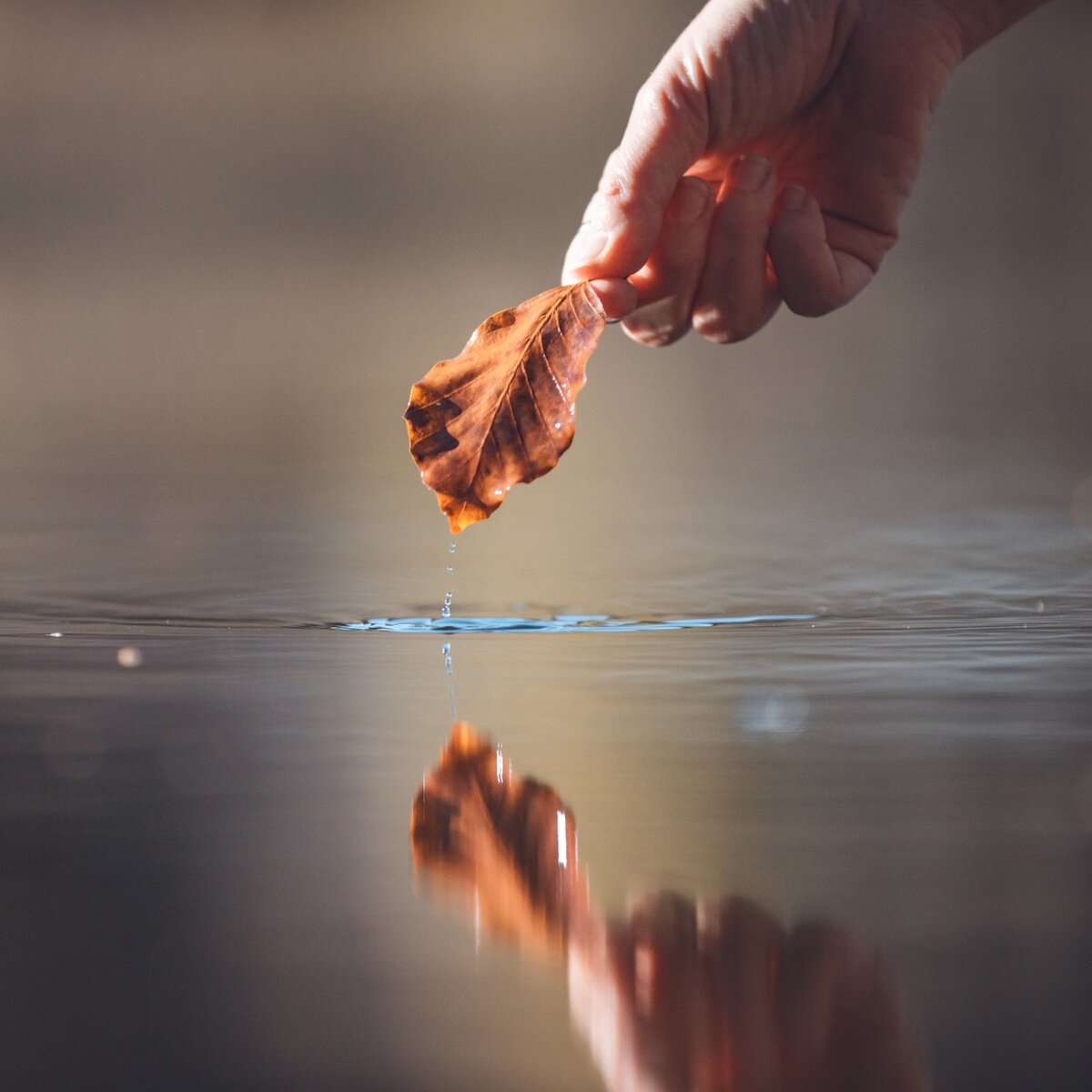
There should be space for curiosity: climbing steep paths, indulging in unfamiliar thoughts. Listening to the breath of fresh water on the pebbles of the beach. Wandering, surprising ourselves, opening ourselves up to new feelings and experiences; because, if everything’s already planned, what’s the point?
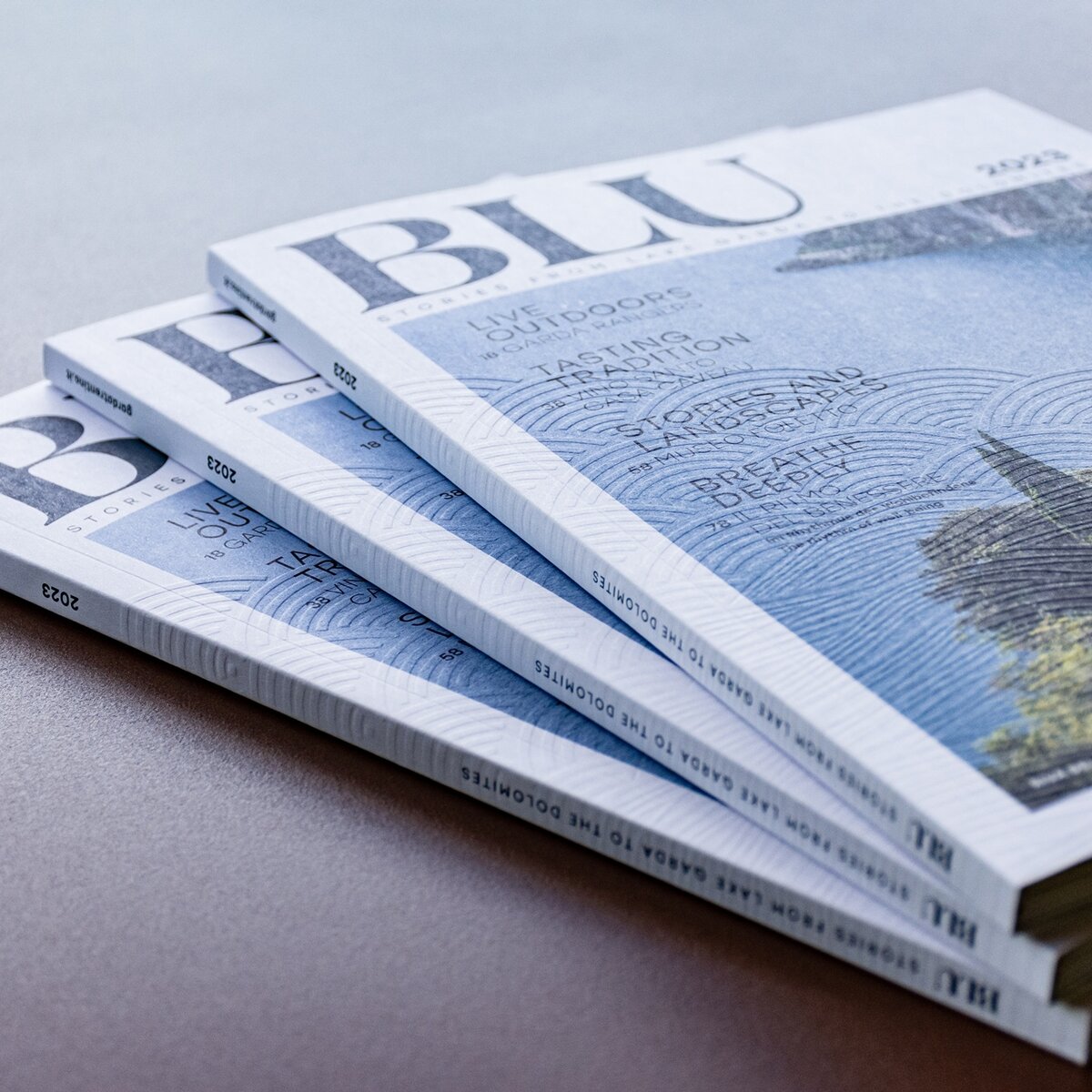
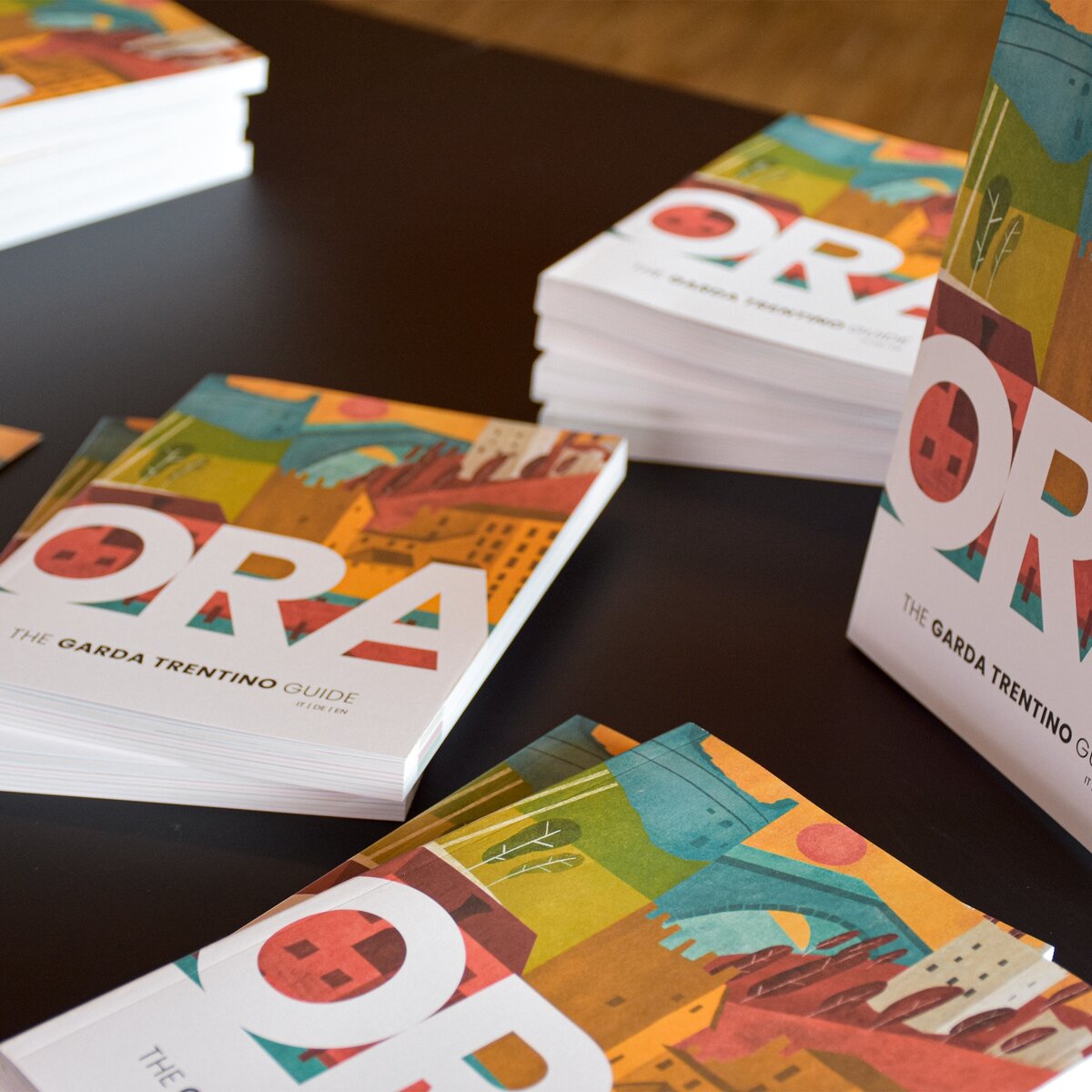
This piece, published in the second issue of BLU, the Garda Trentino magazine, invites us to rethink the meaning of travel. Travelling is about creating relationships - with places, with the people who inhabit them, and with the limits that make them alive.
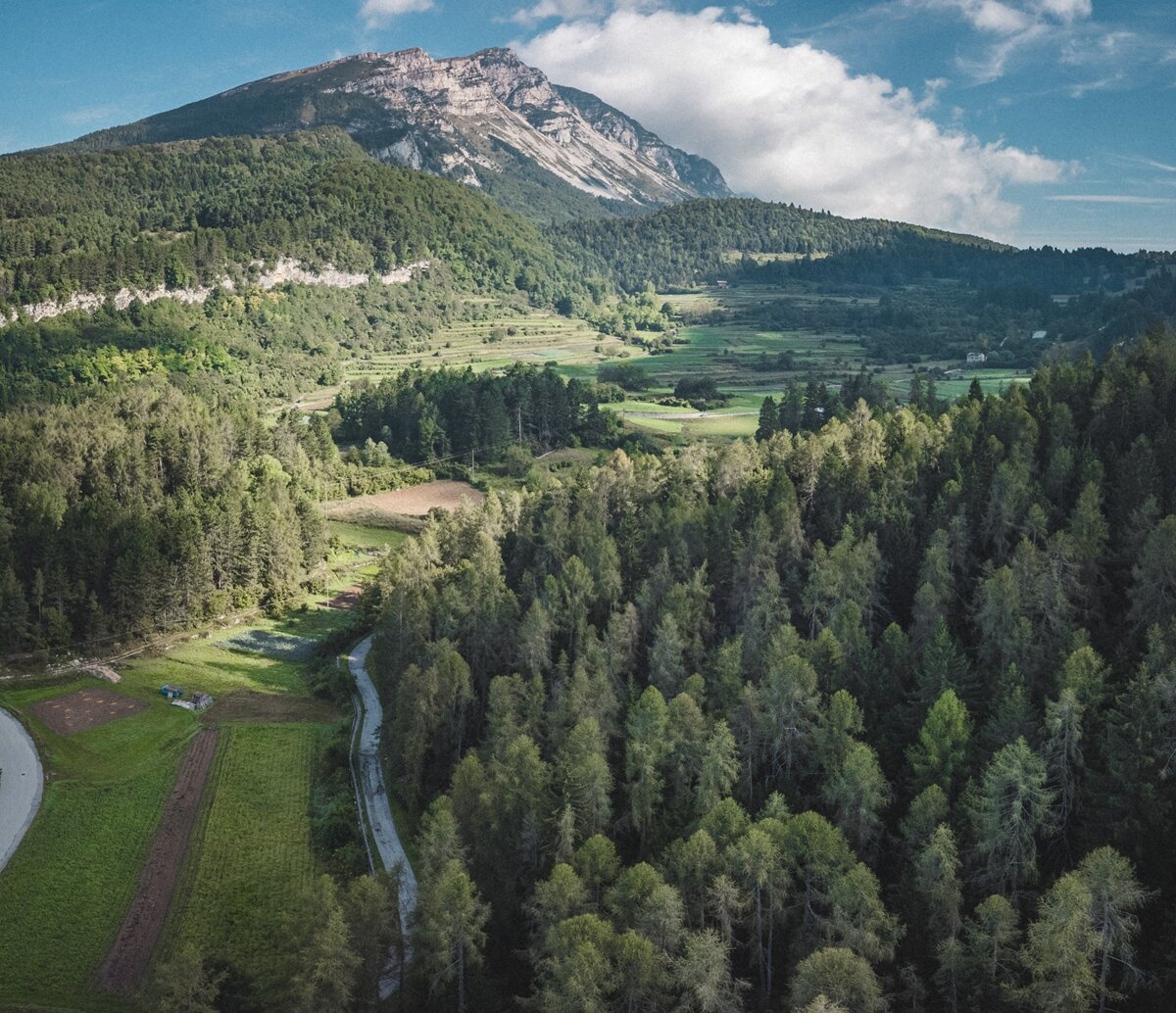
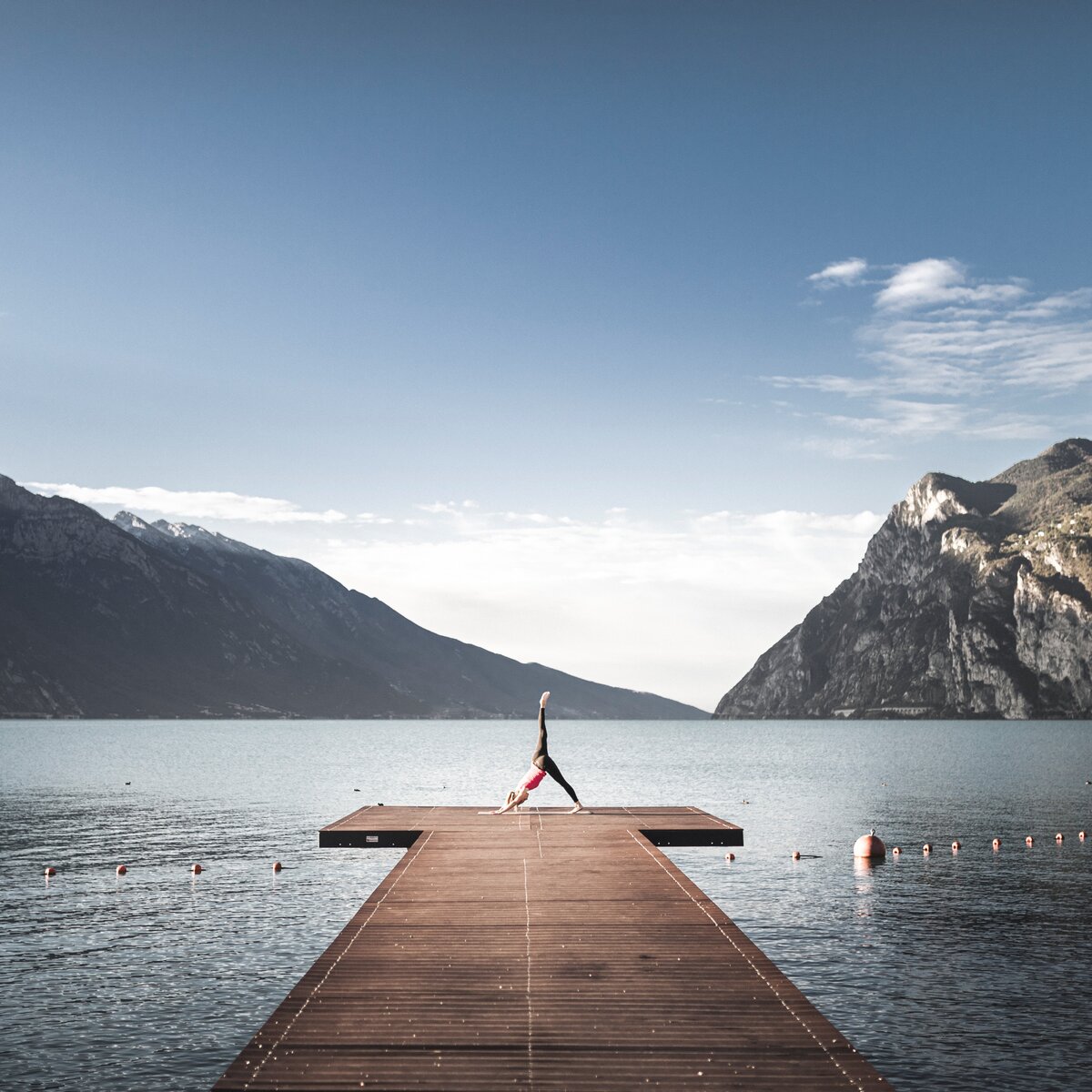
In Garda Trentino, the landscape is not a backdrop to be consumed, but a delicate balance to be approached with care. To accept limits is to choose to listen, to make space for silence, for slowness, for the unexpected. And from there, a new way of travelling - and of living - can begin.
The author: Duccio Canestrini
Duccio Canestrini teaches Anthropology of Tourism on the degree course in the Science of Tourism at the Foundation Campus at Lucca (University of Pisa). As a correspondent for the geographical magazine “Airone”, he has travelled to every continent and directed video and audio documentaries on the relationship between humans and their environment. He is the author of several books, including Antropop. La tribù globale, Trofei di viaggio, Non sparate sul turista and Andare a quel paese.
 Offers