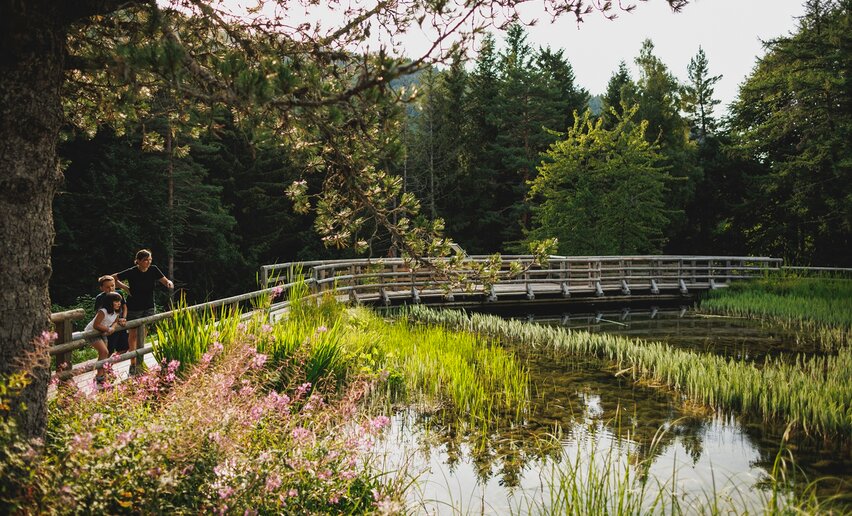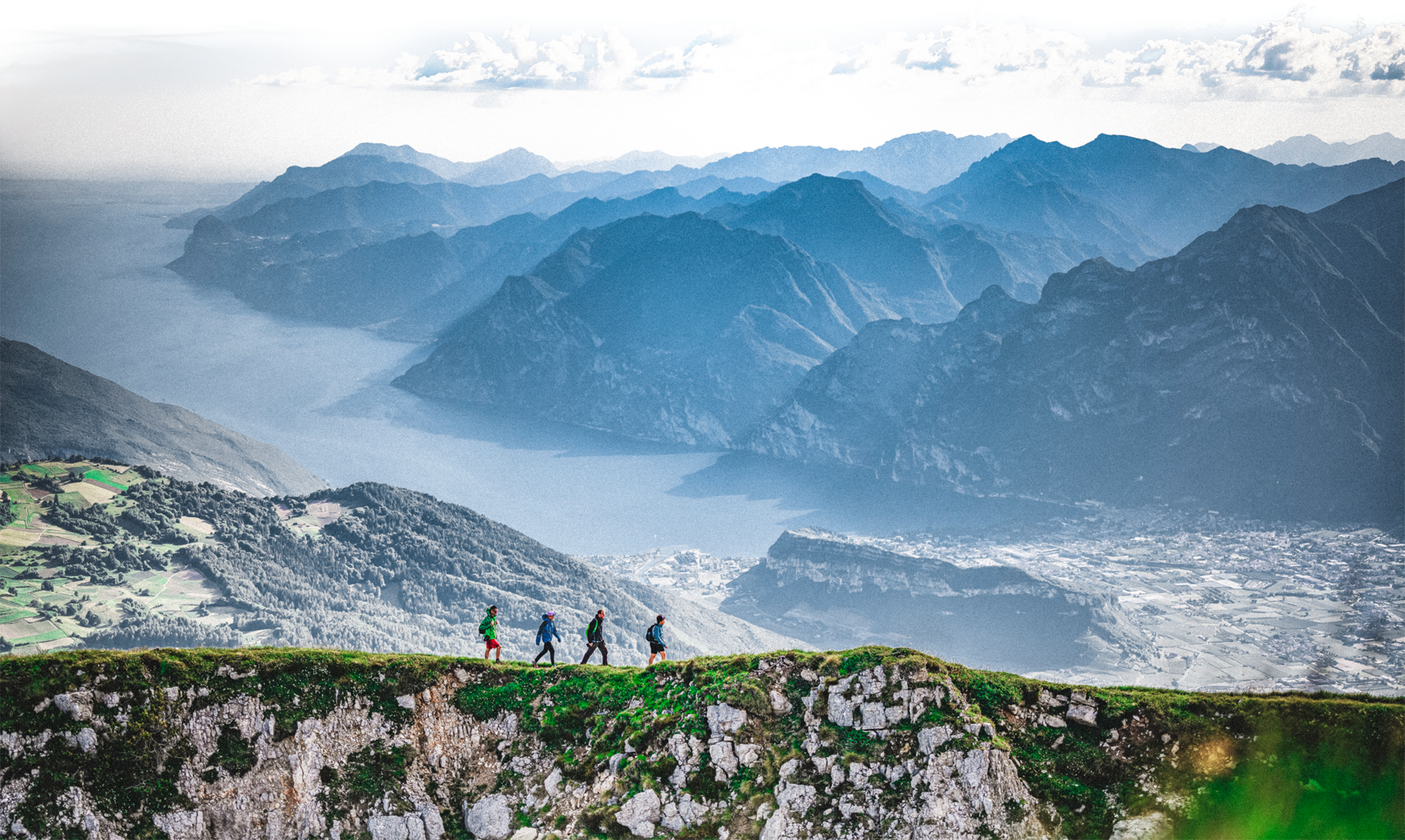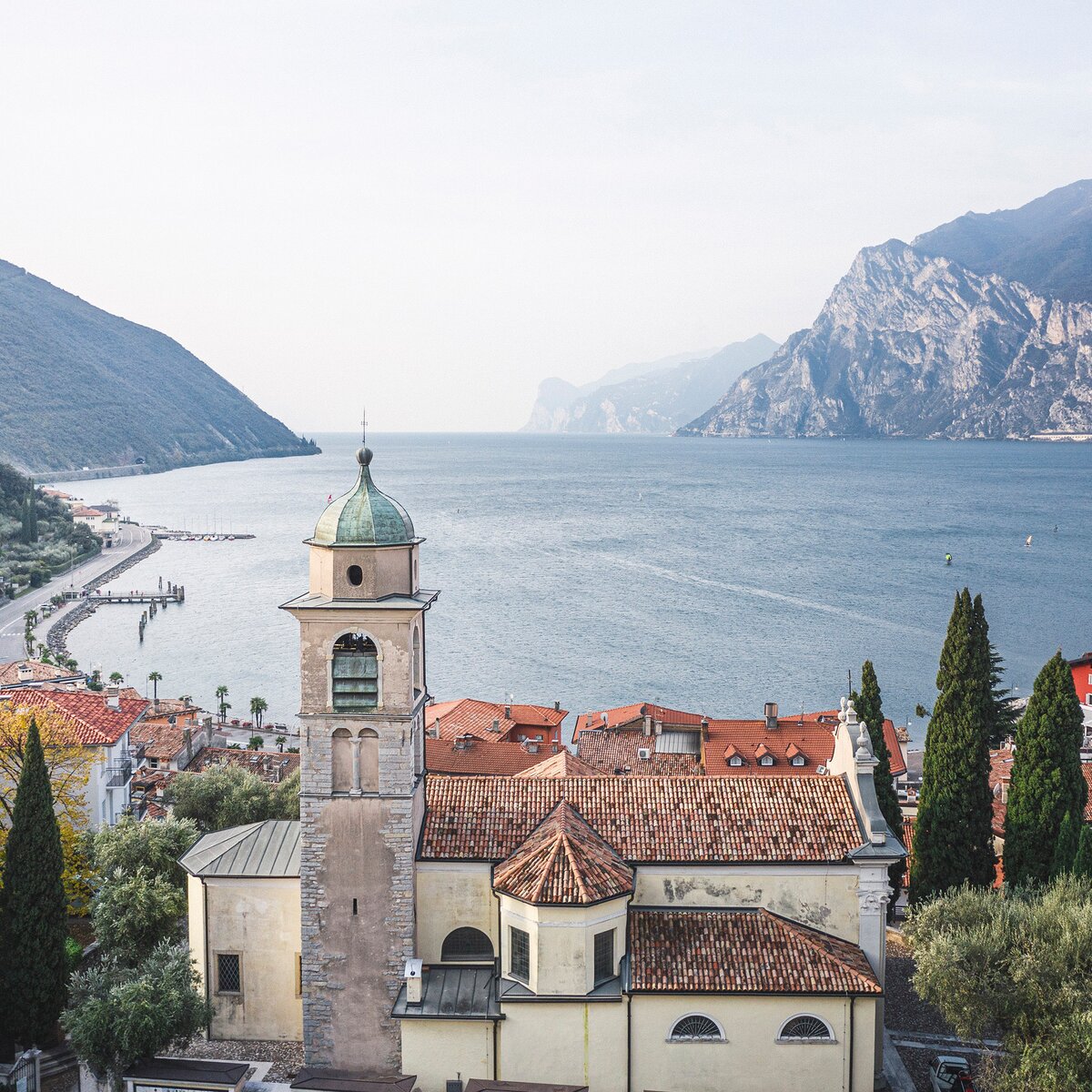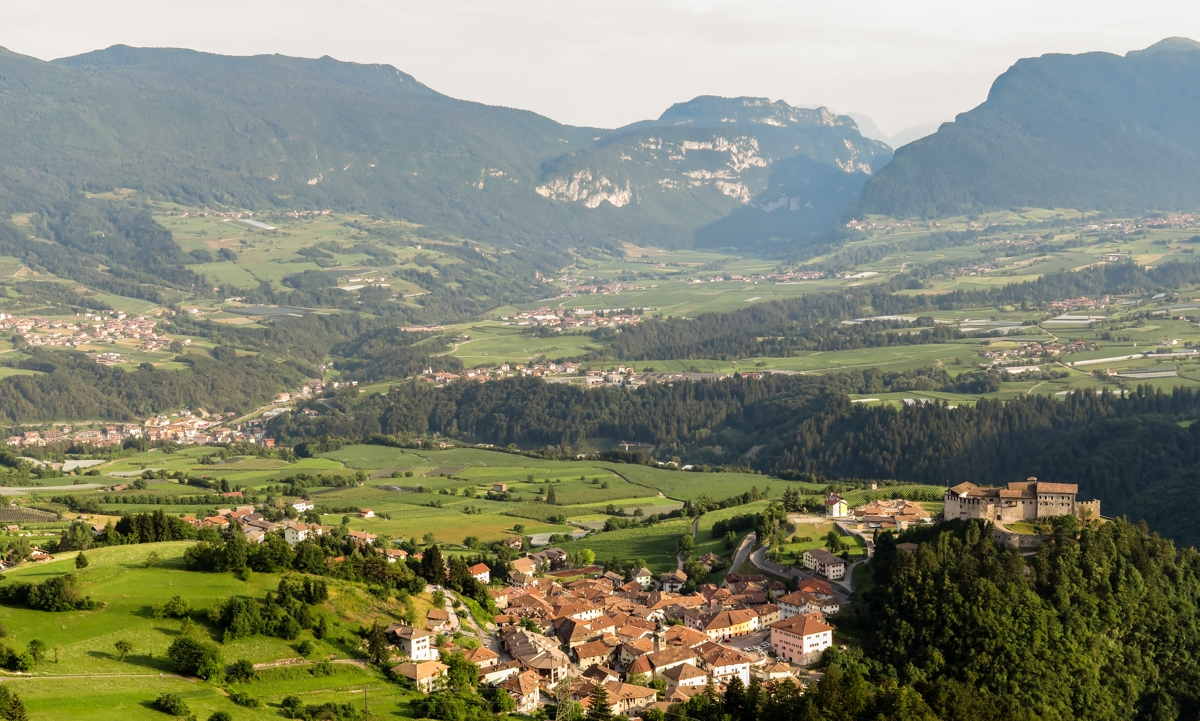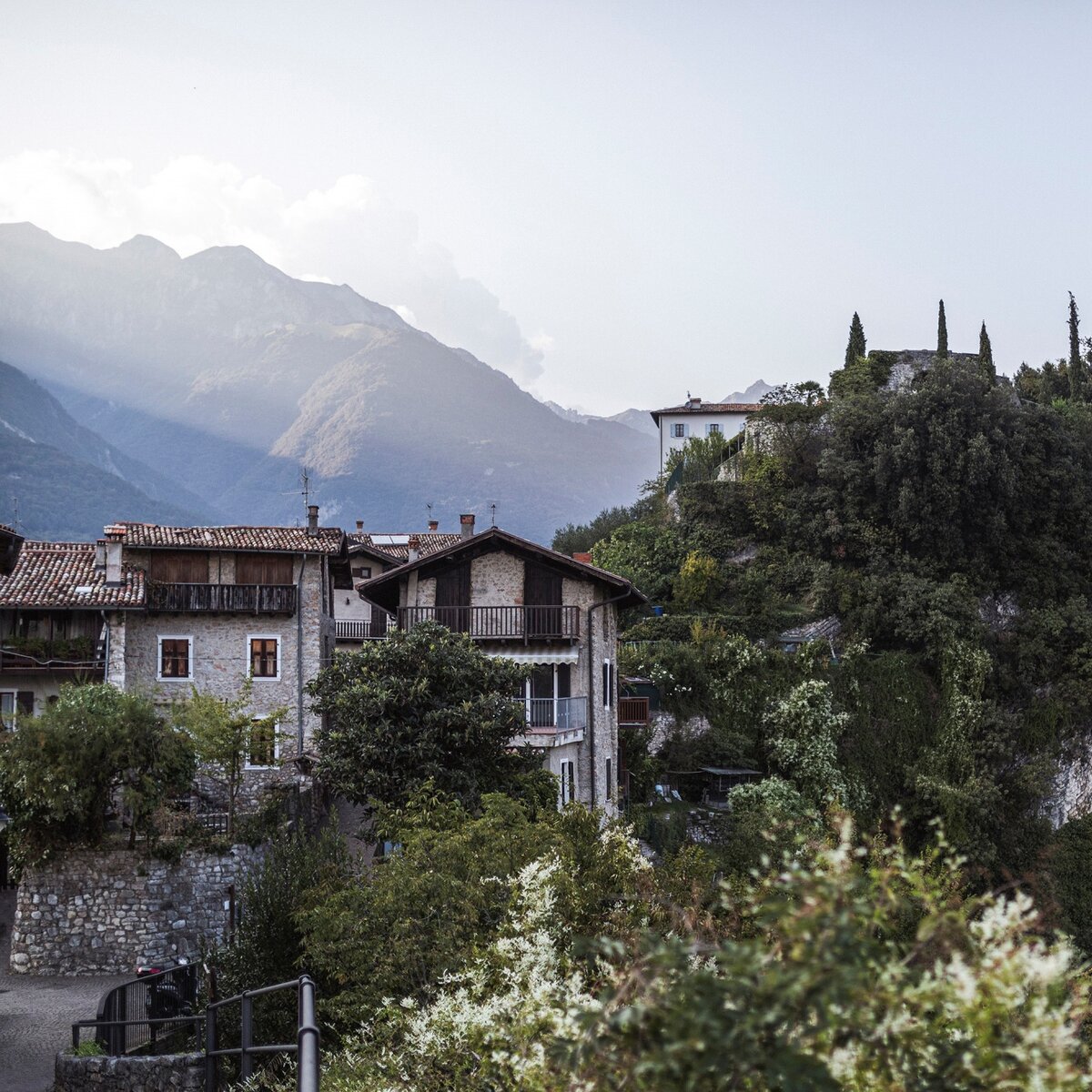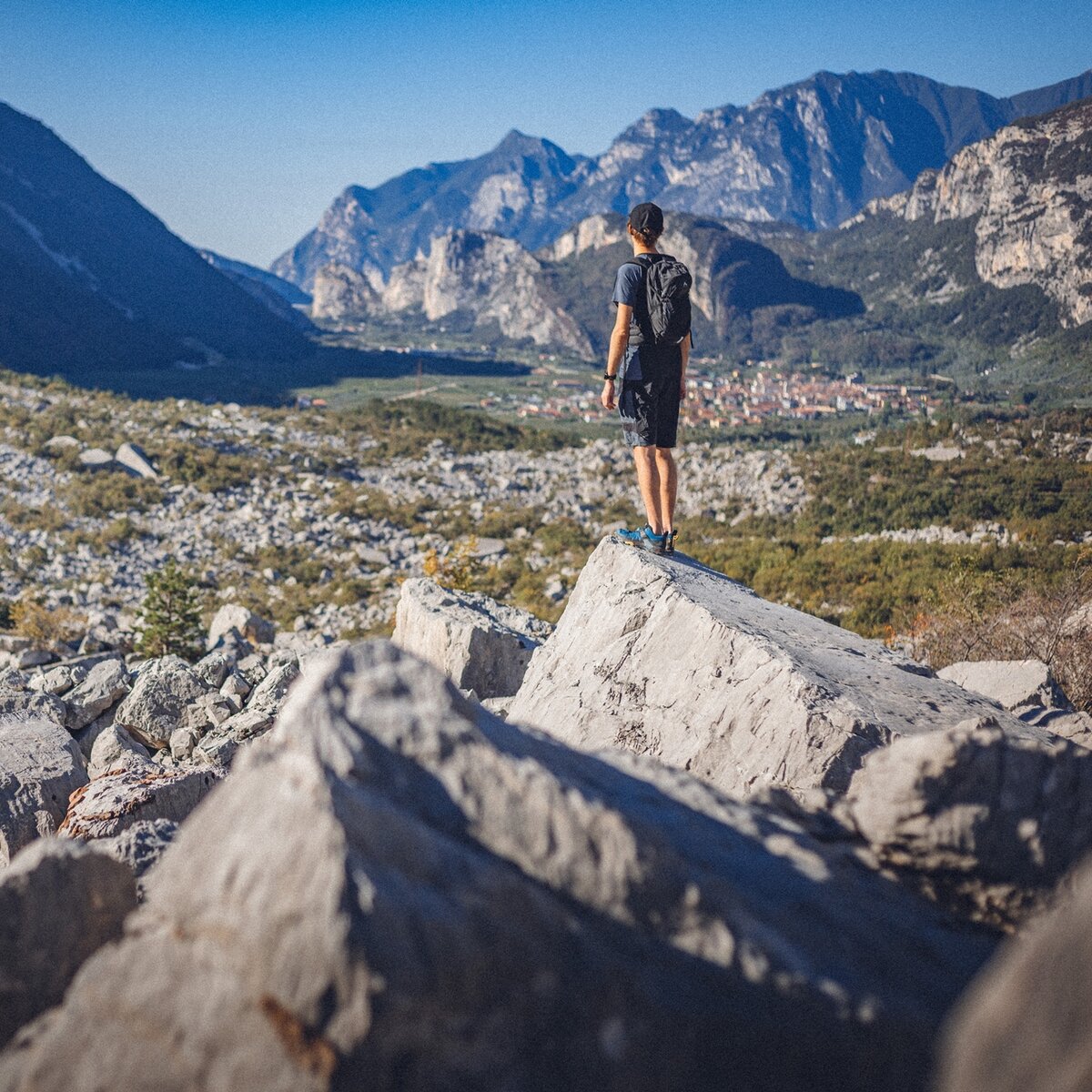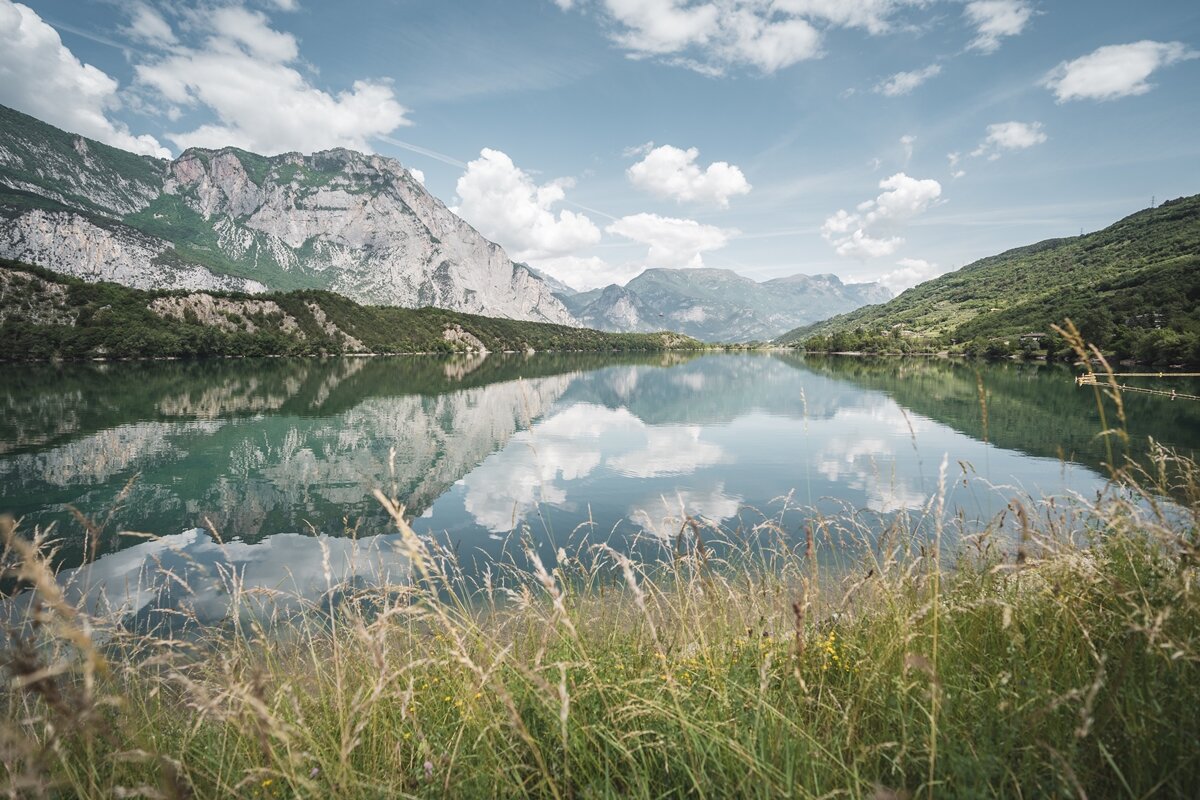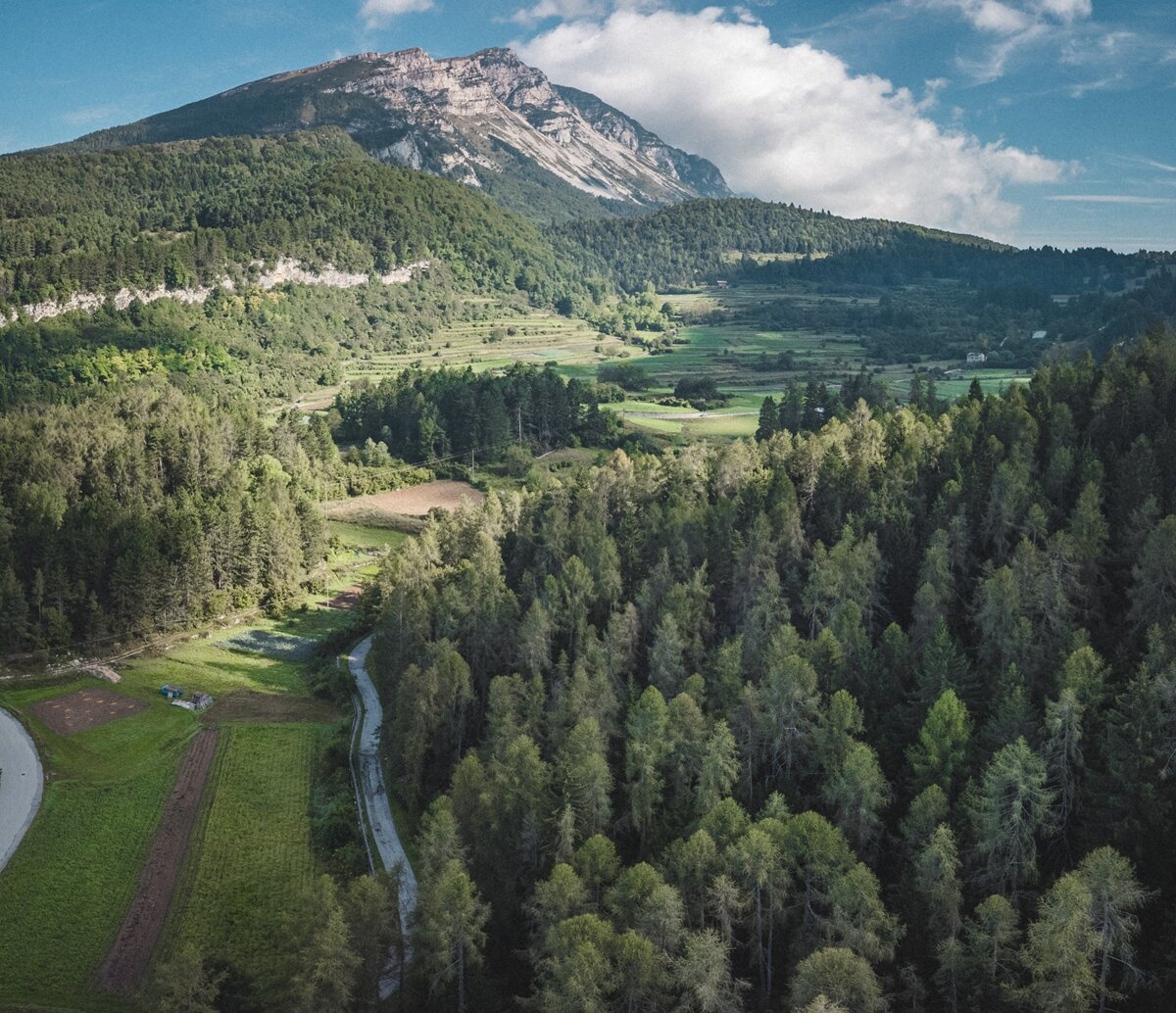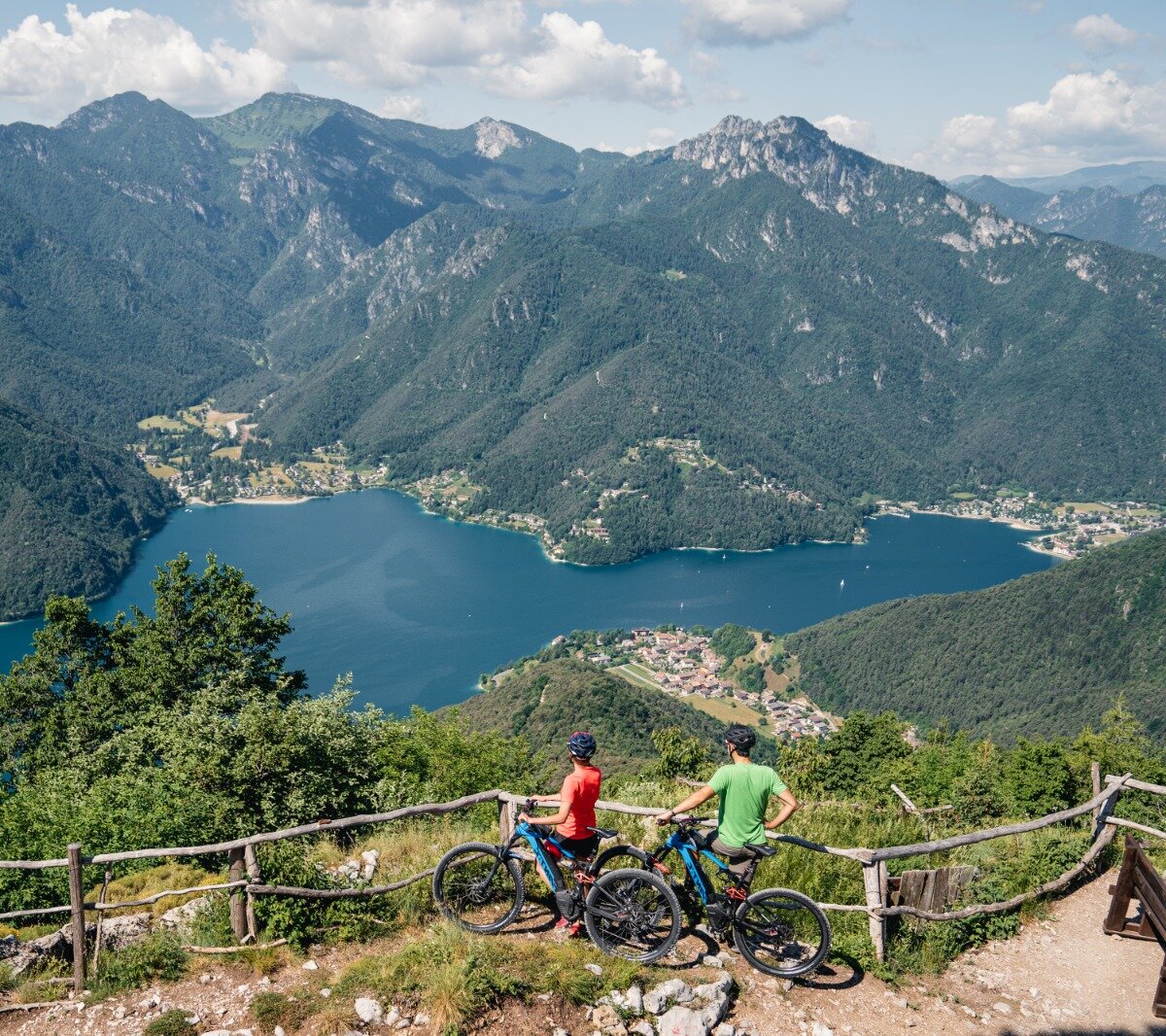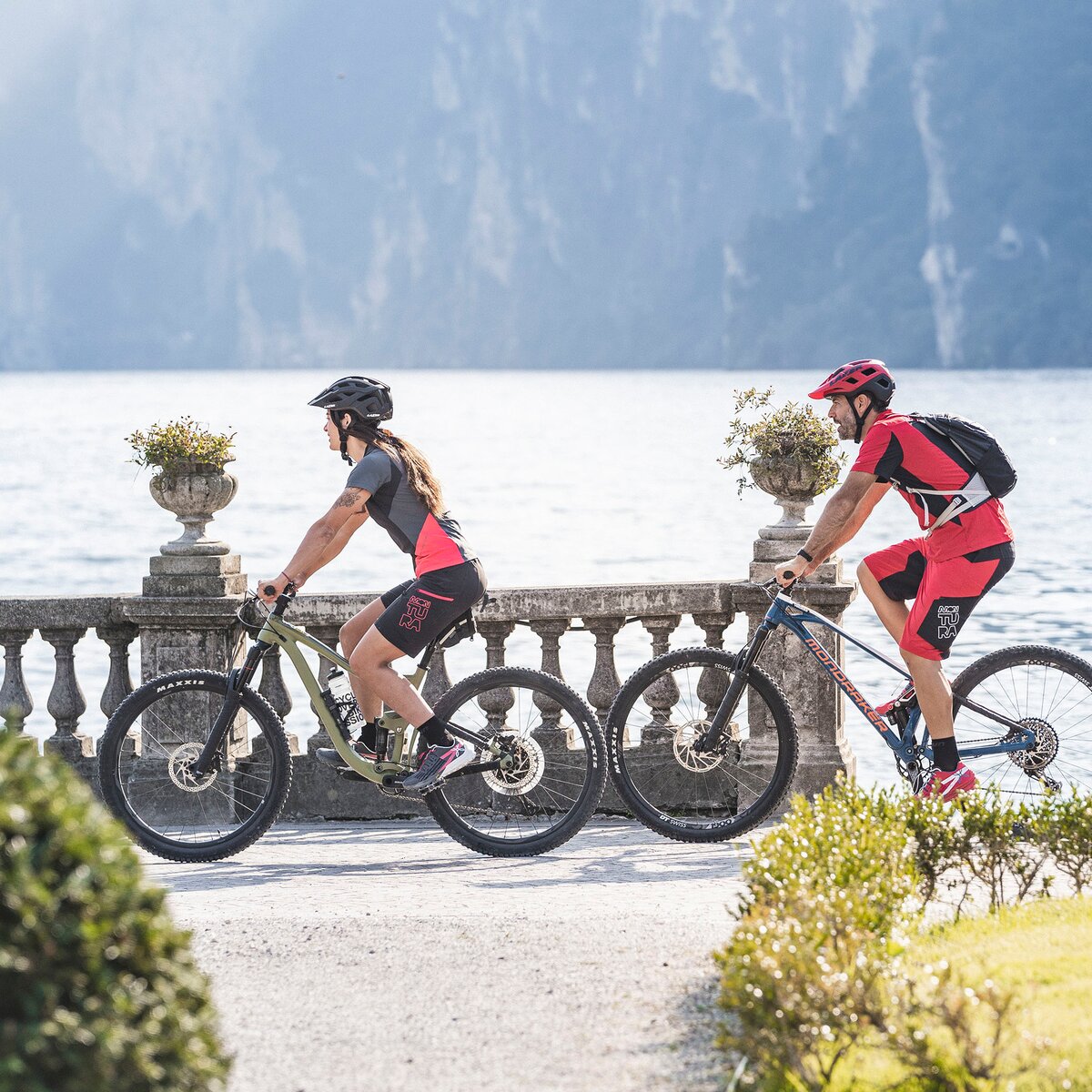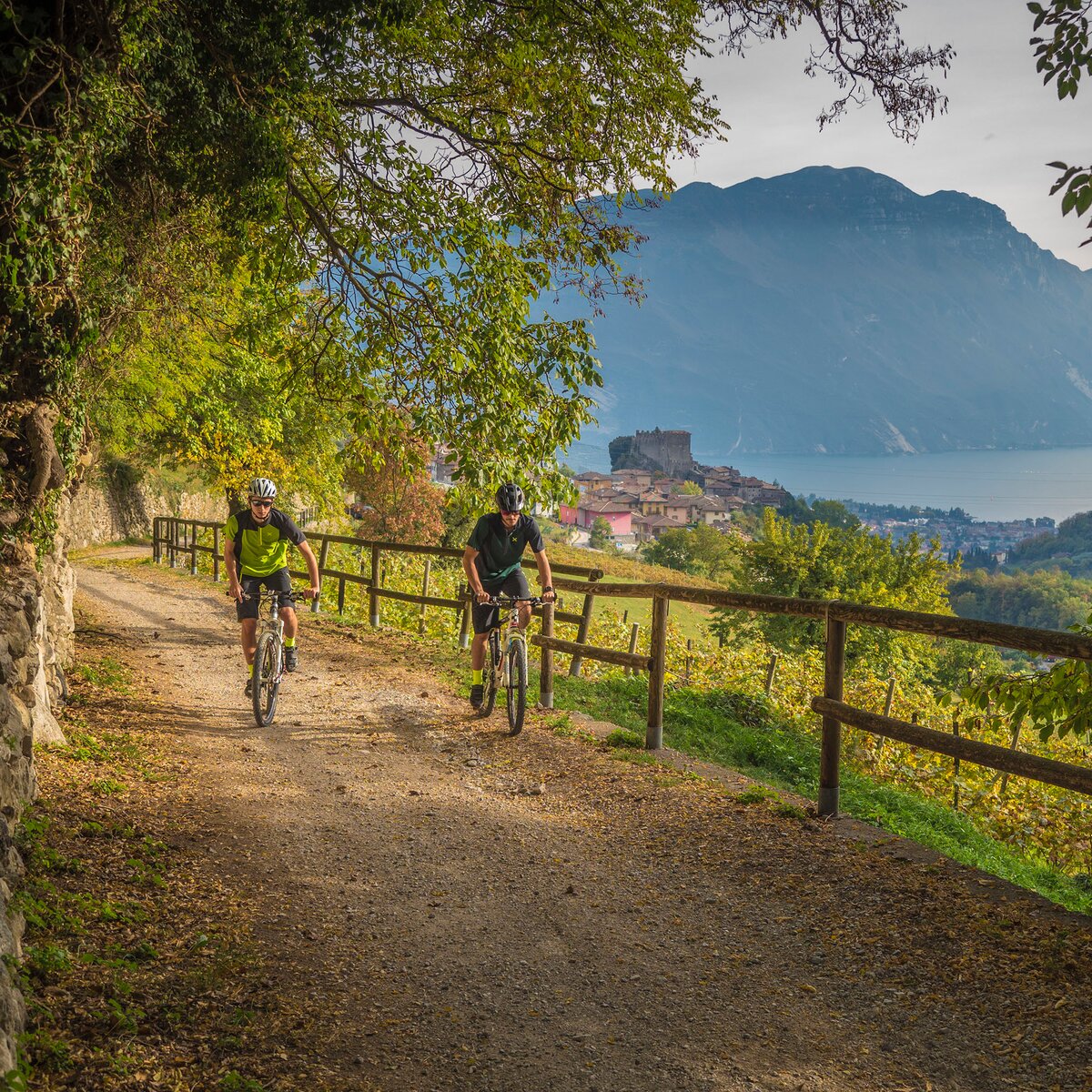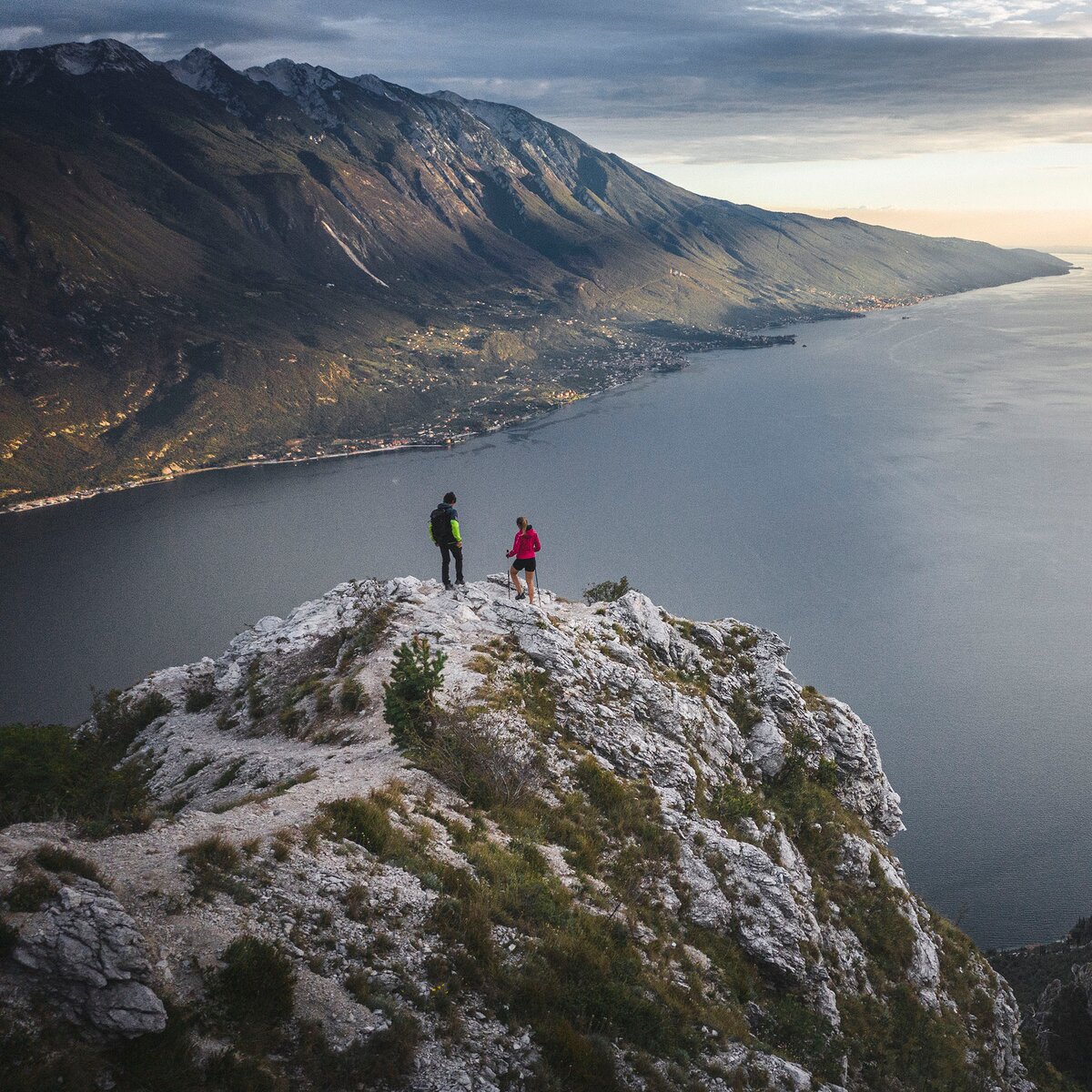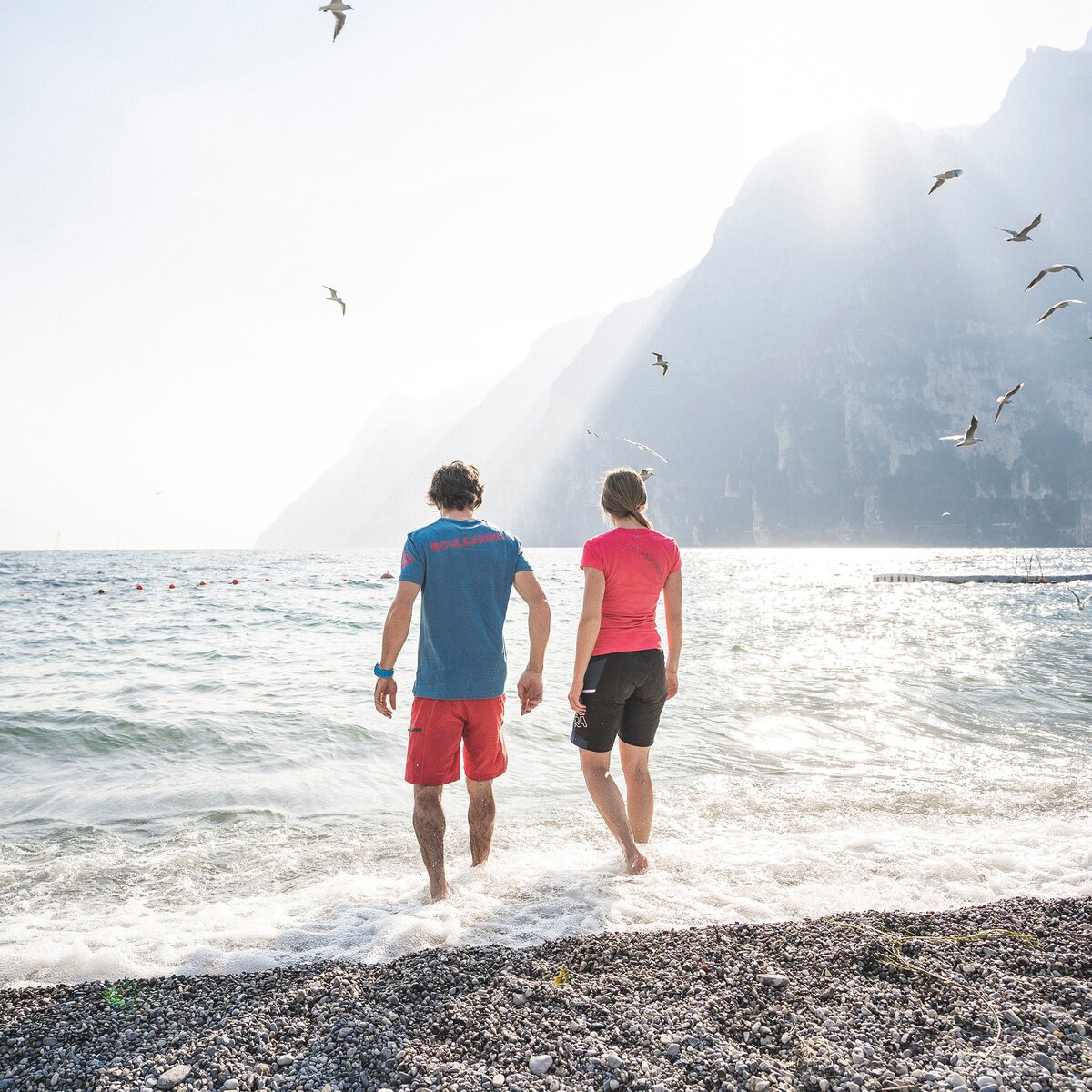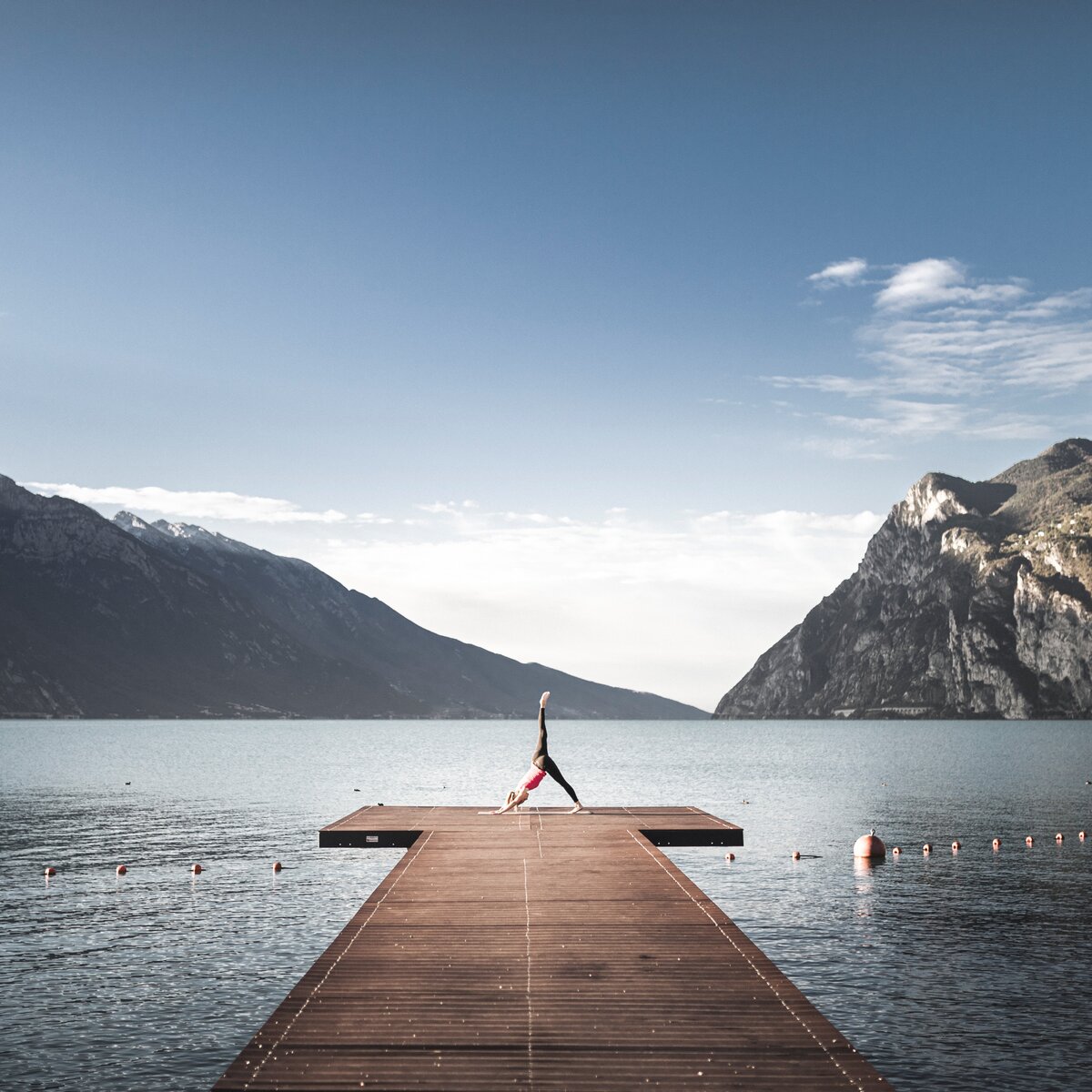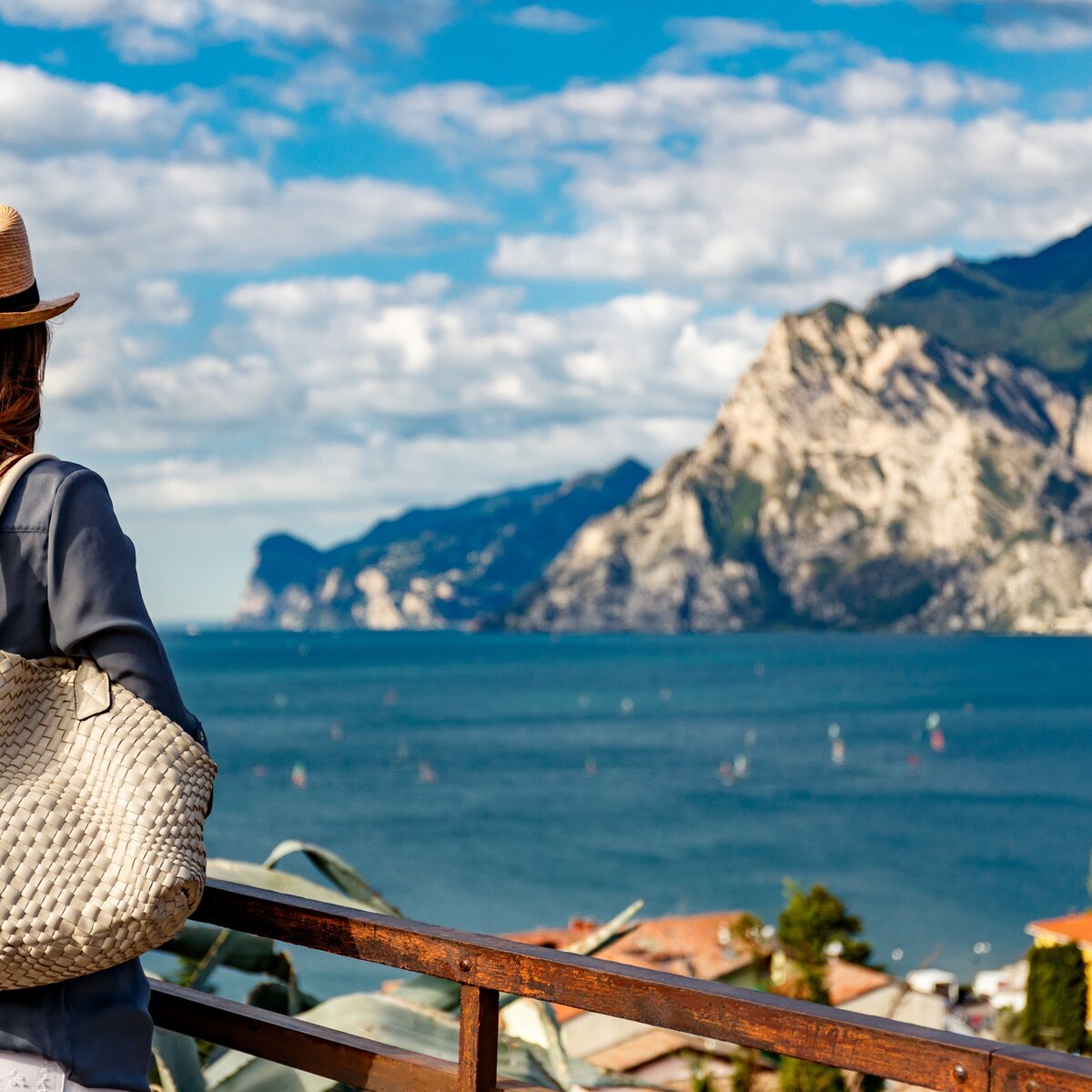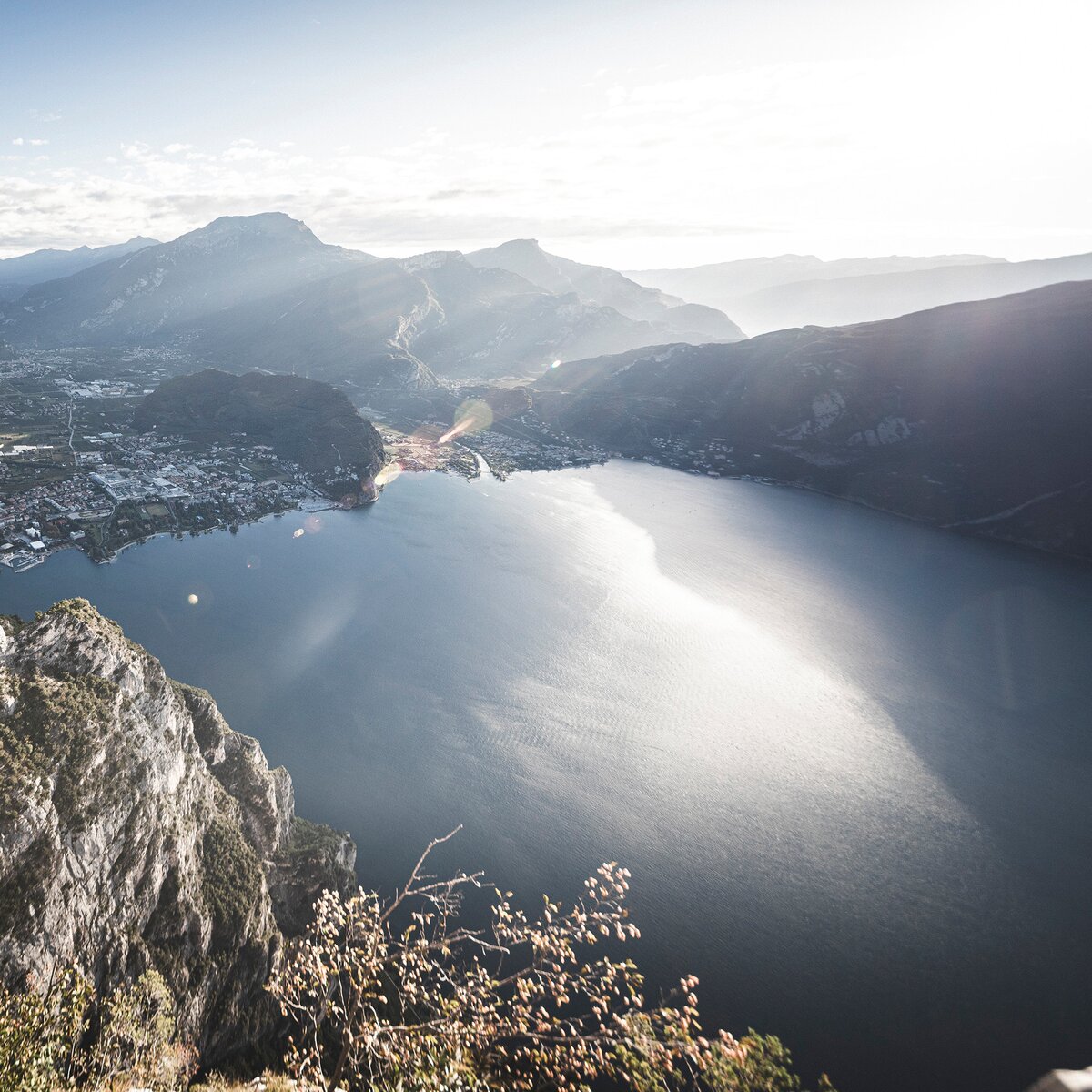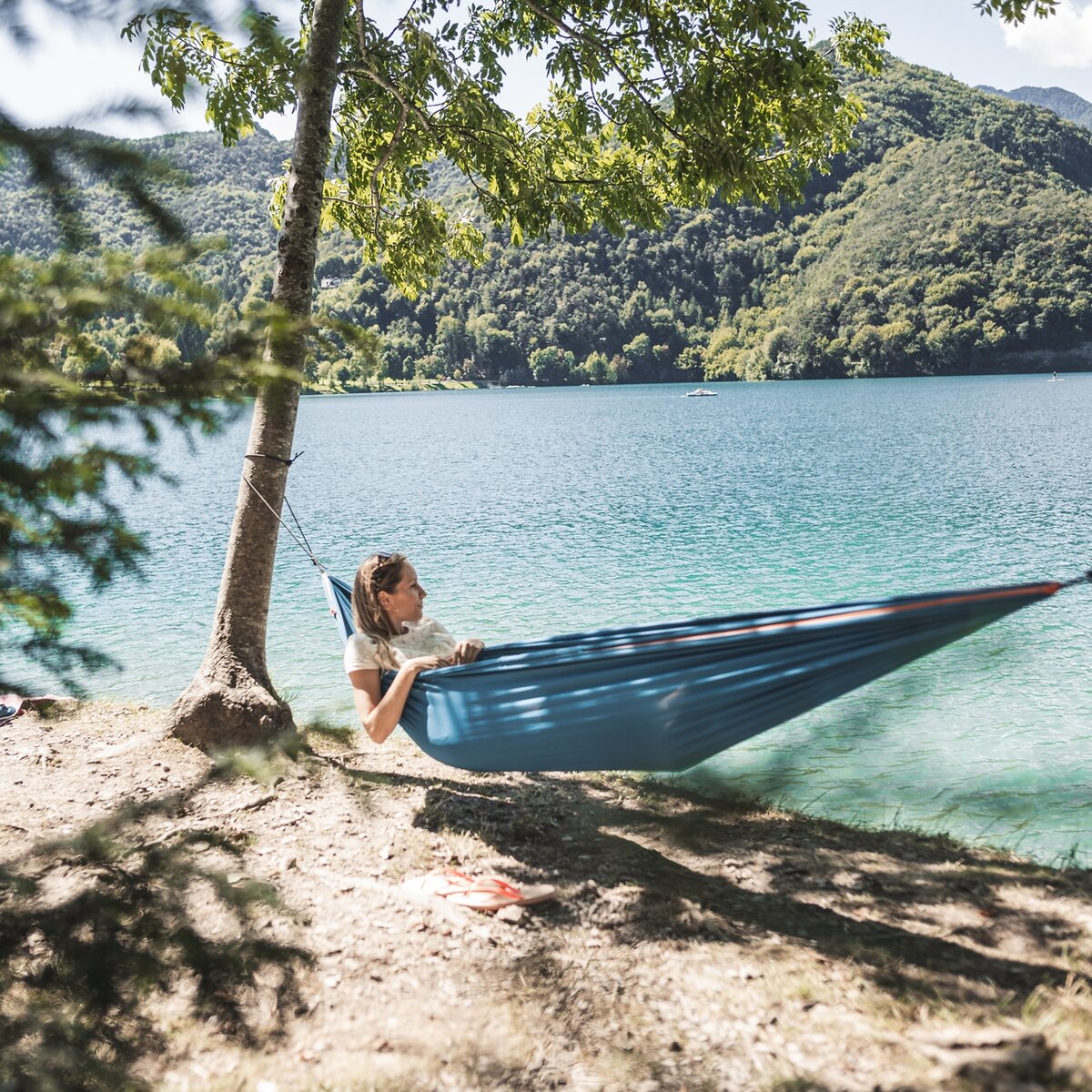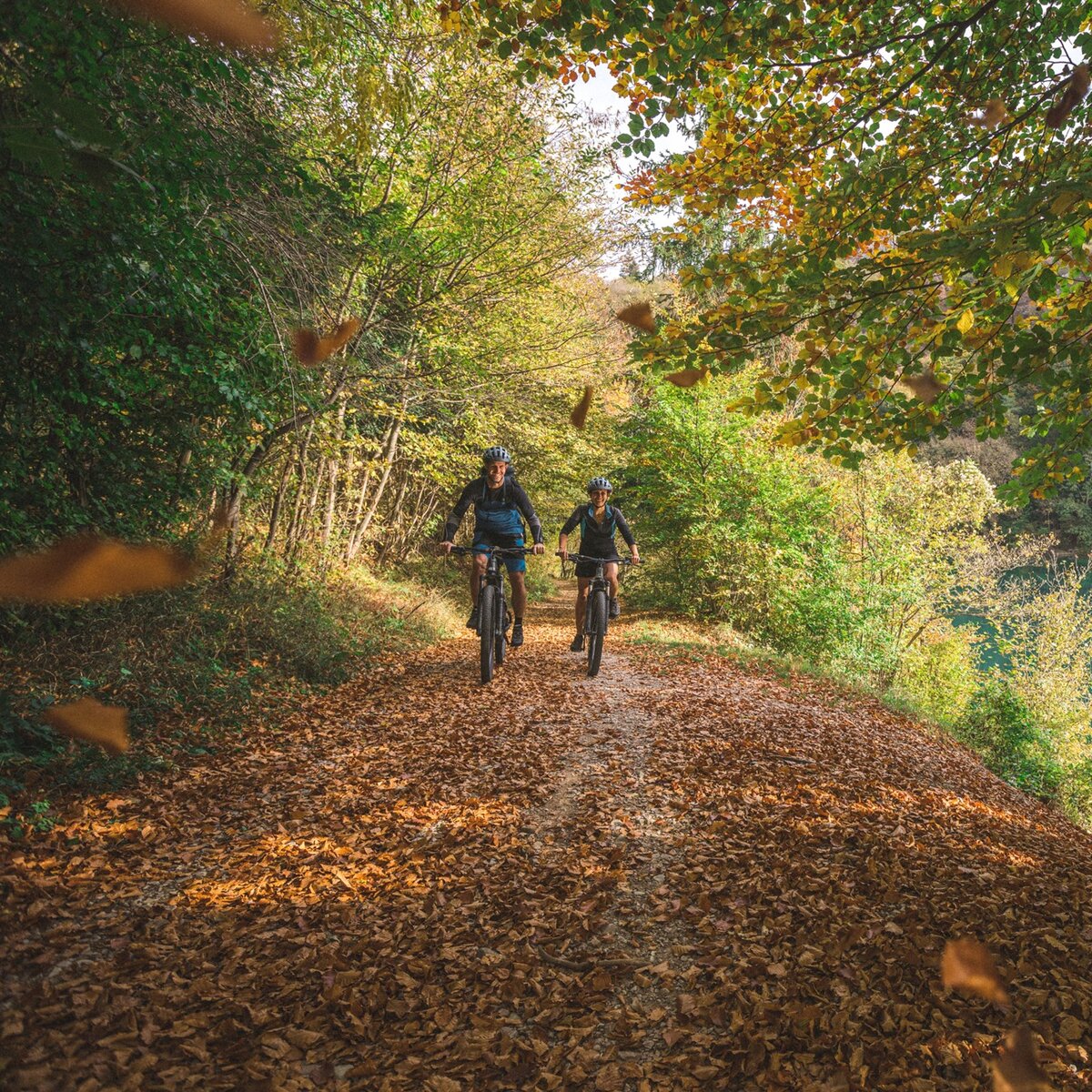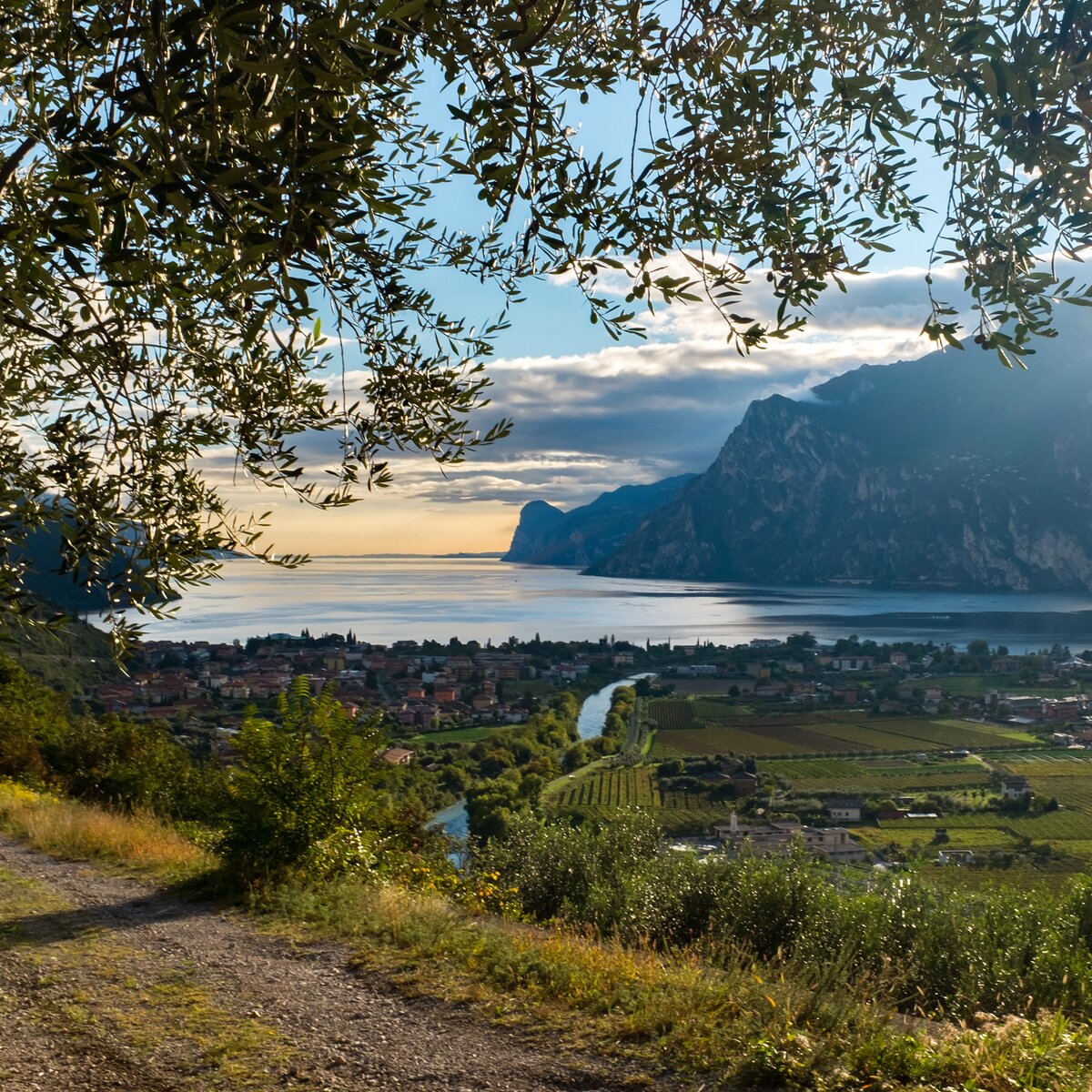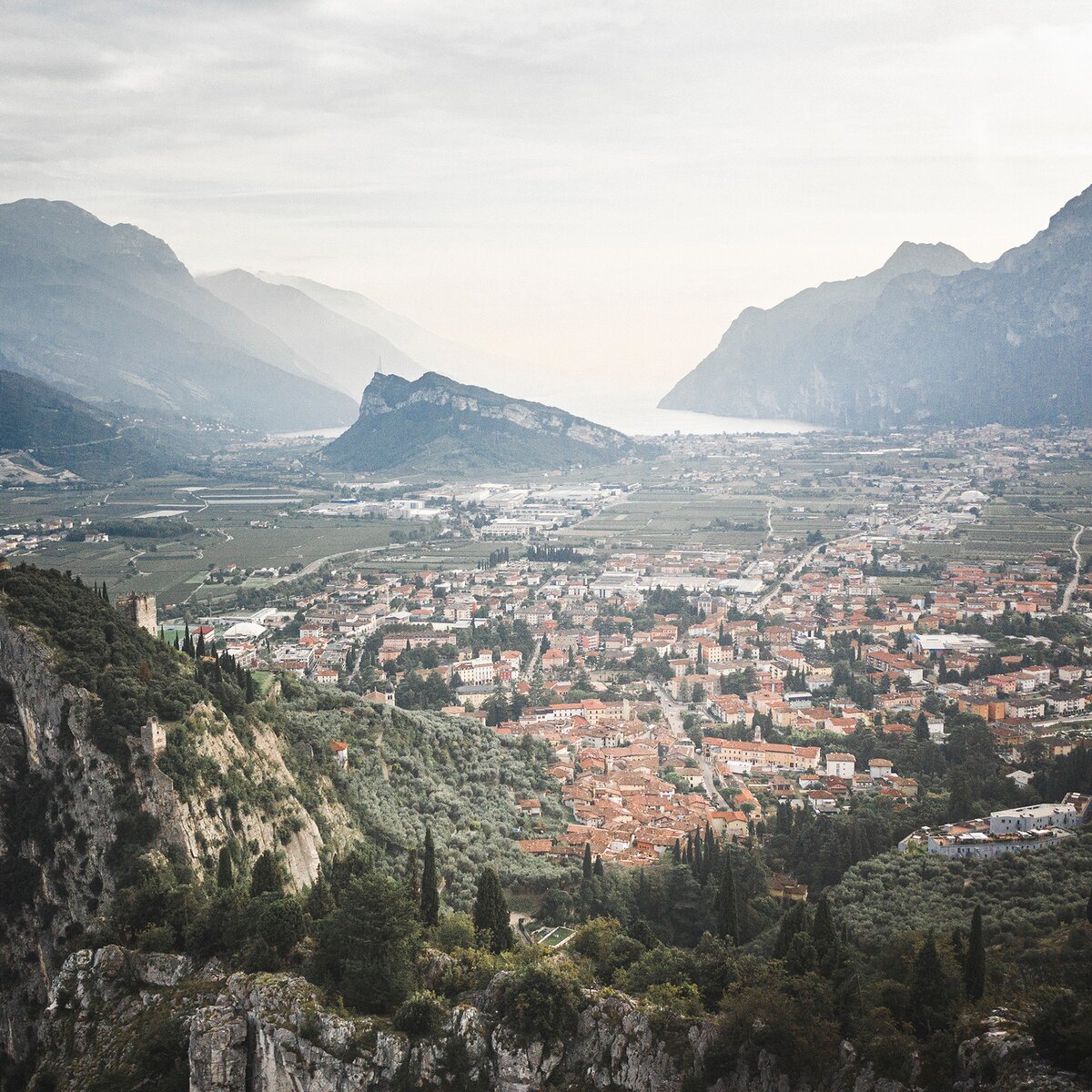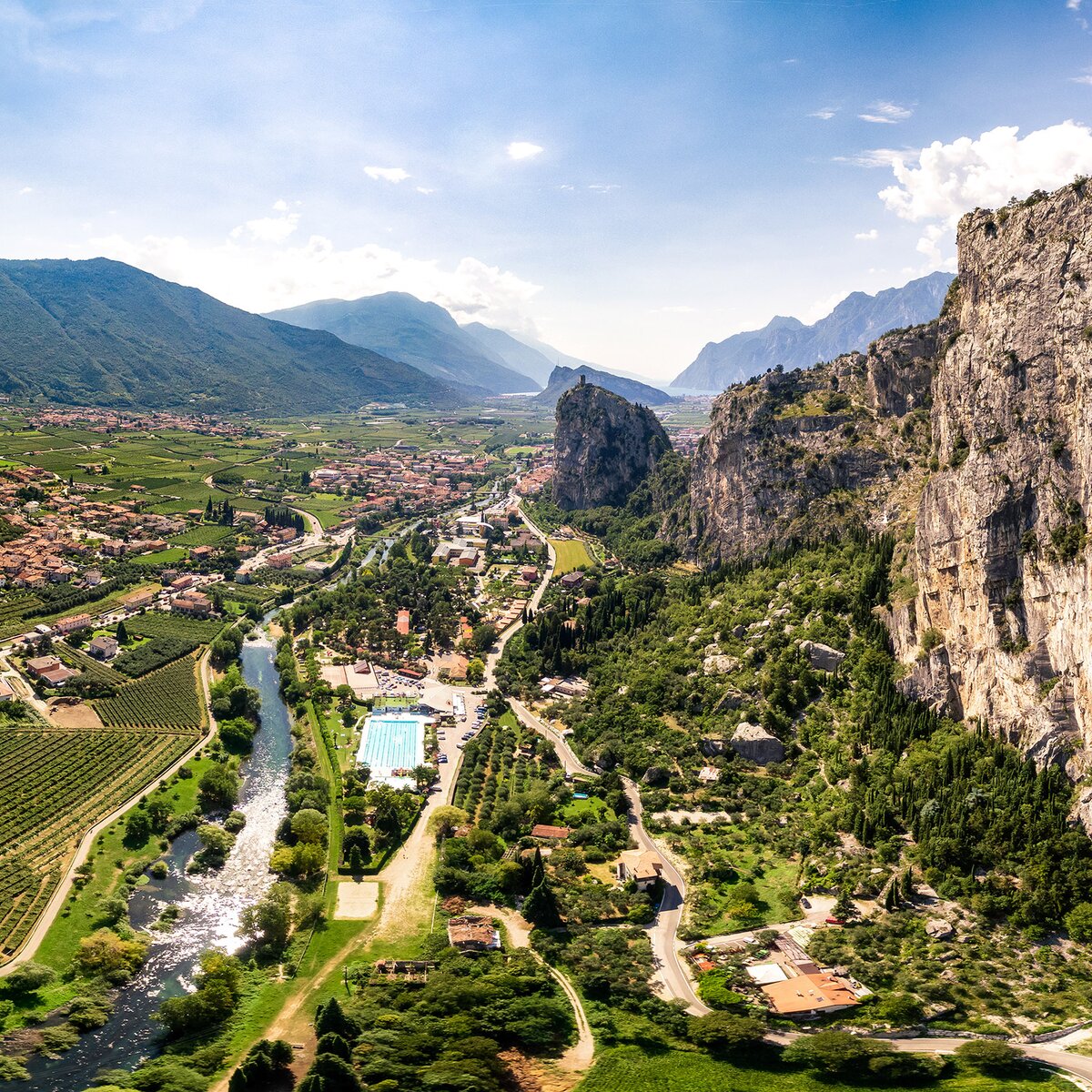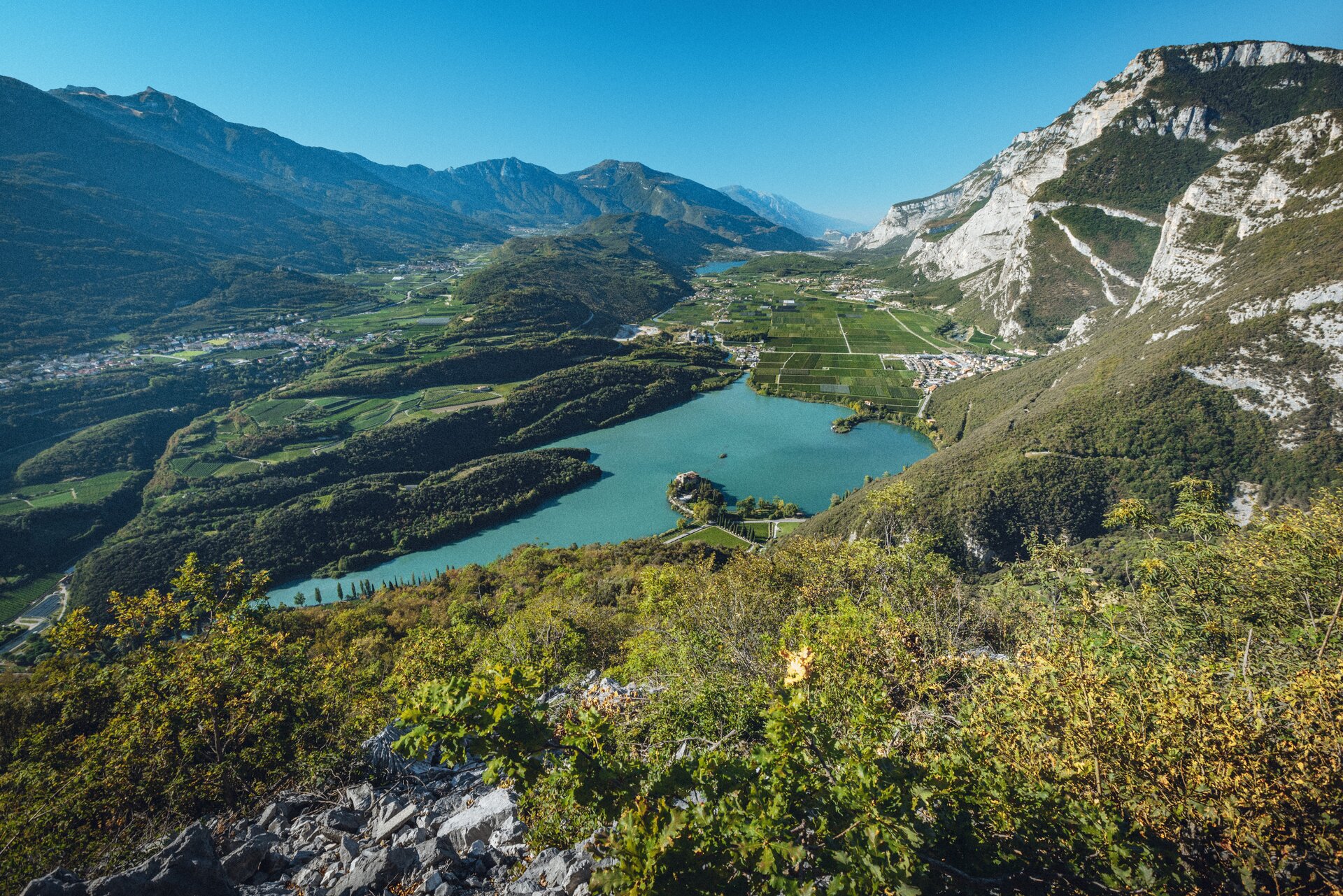
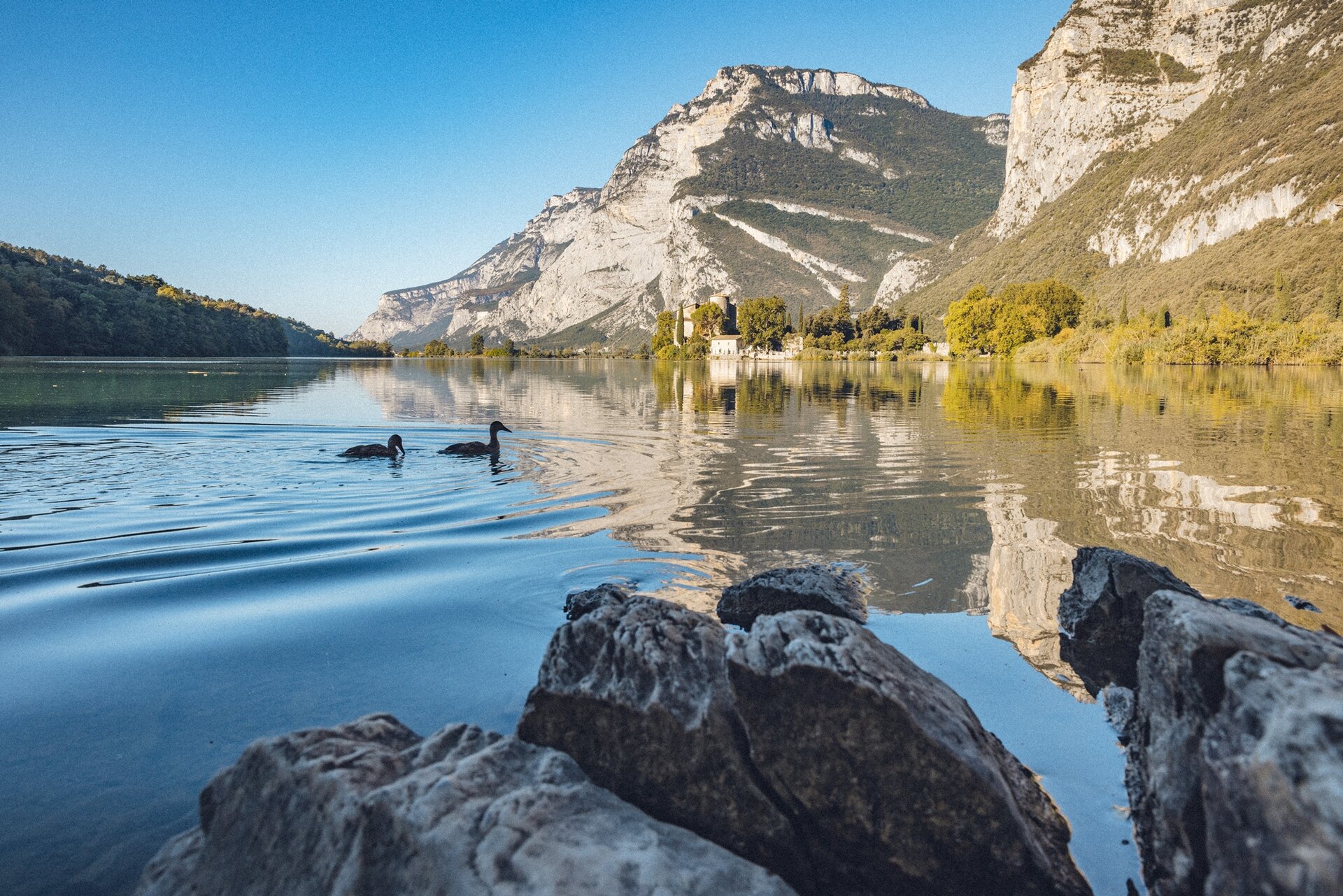
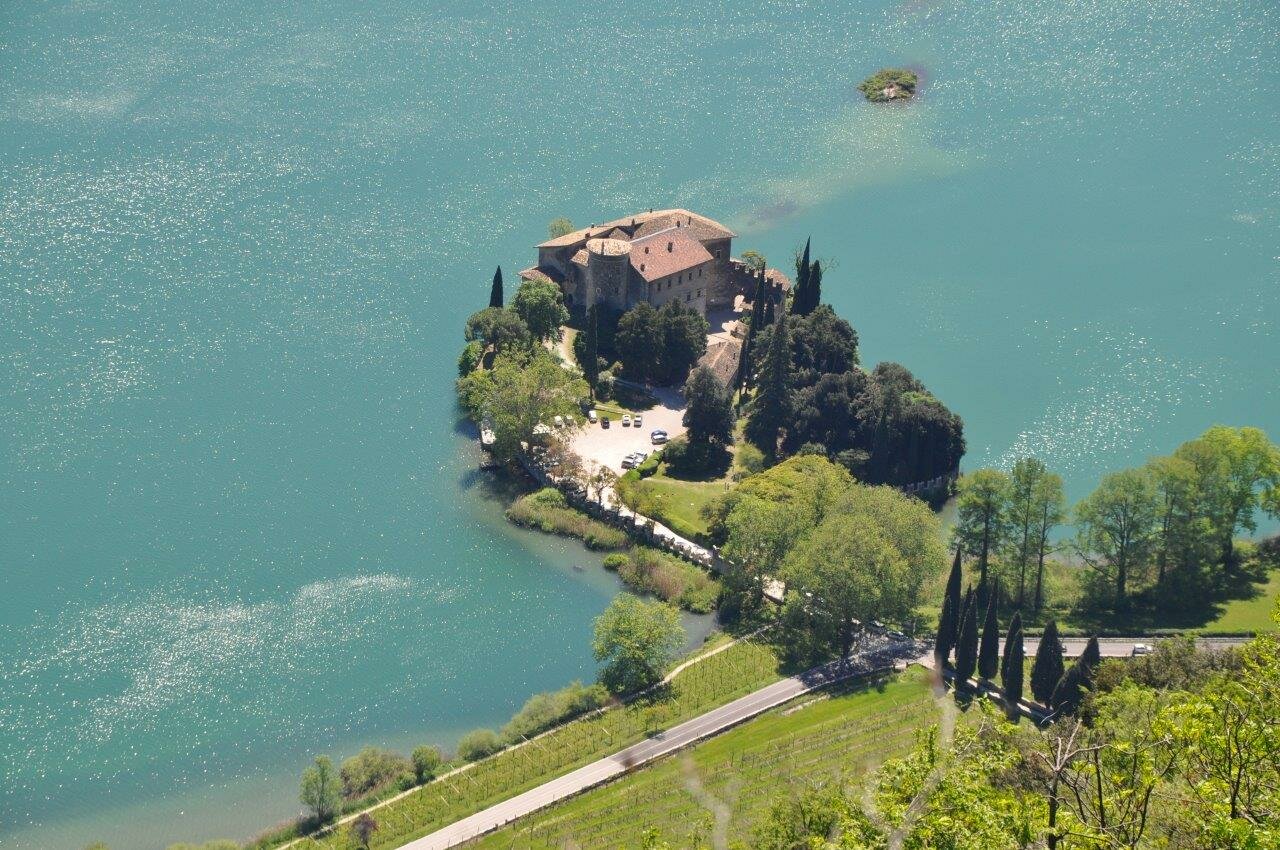
Lake Toblino, in Valle dei Laghi, is the romantic destination par excellence. Immersed in the scent of lemons, olives and rosemary, this body of water is particularly enchanting: the mountain barrier and the mild air from Lake Garda favour a Mediterranean type of vegetation. The lake, bordered by reeds, is the refuge of migratory birds and hosts many species of fish. The landscape is relaxing and ideal for walking and cycling in the green countryside.
Mediterranean climate and Alpine charm make Lake Toblino a special place with a unique landscape. On a promontory stands the Toblino Castle, used as a film set in the television series “The Veiled Lady”. When, in the morning, the Toblino Castle emerges like a dream from the mists of the lake, you understand why legend has it that the fairies lived there, respected and honoured by local people. A small temple was even dedicated to them, as mentioned on a plaque placed in the castle porch.
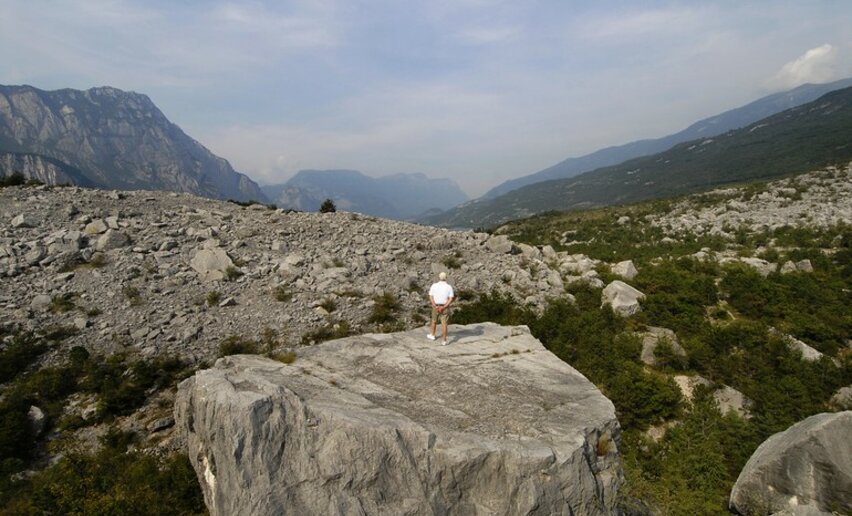
At the end of the last Ice Age, Lake Toblino was part of a single large basin that also included today’s Lake Santa Massenza and Lake Cavedine. Over time, the action of the Sarca River and its debris flows created a natural barrier, forming the lake we see today.
In 1952, following the construction of the Santa Massenza hydroelectric plant and the inflow of the Sarca’s cold water, the lake’s temperature dropped significantly, altering its original ecosystem. Despite these changes, Lake Toblino still hosts a rich variety of habitats and has been declared a Provincial Nature Reserve for its remarkable biodiversity.
The mild climate, influenced by nearby Lake Garda, attracts many migratory waterbirds that use the lake as a stopover and shelter. For resident species, Toblino is an ideal nesting and breeding ground.
Among the reeds, you might spot the grey heron, which nests in large numbers near the small island. With a bit of luck (and patience), you may also glimpse a river nightingale, mallard, moorhen, coot, or great crested grebe.
The lake is also home to cold-water fish such as whitefish, European perch, bullhead, brown trout, and lavaret.
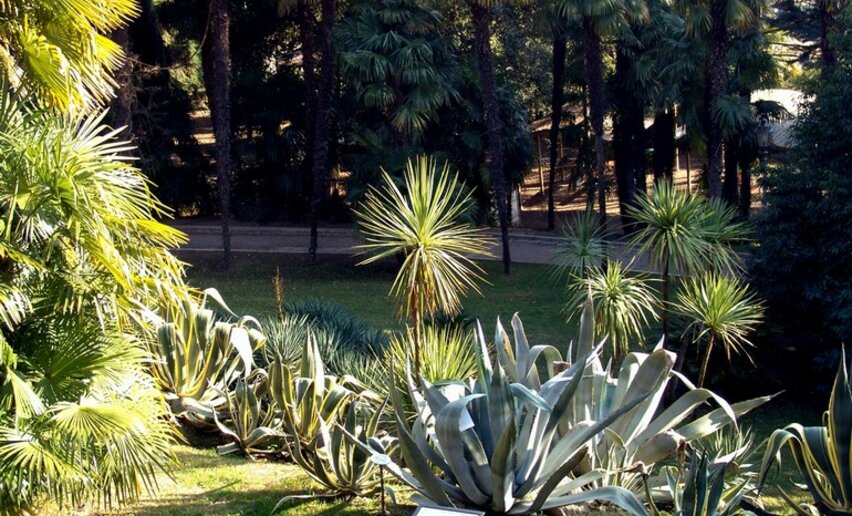
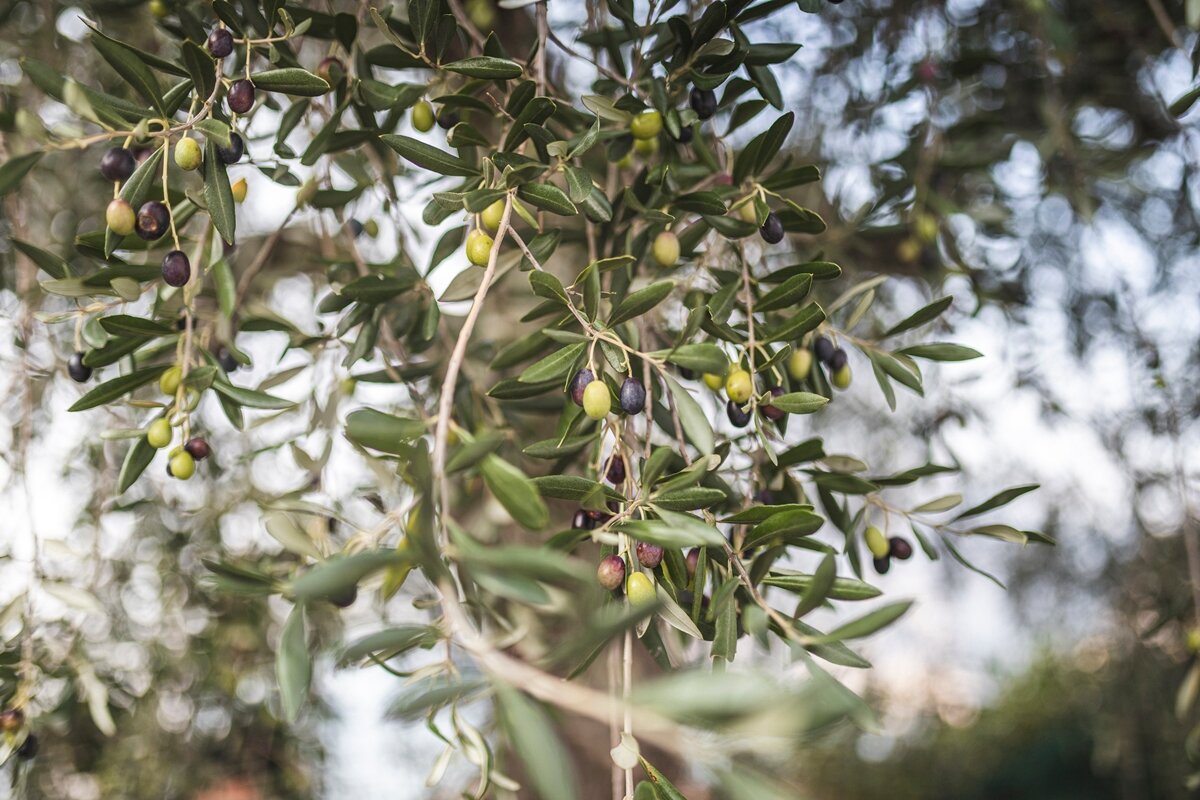
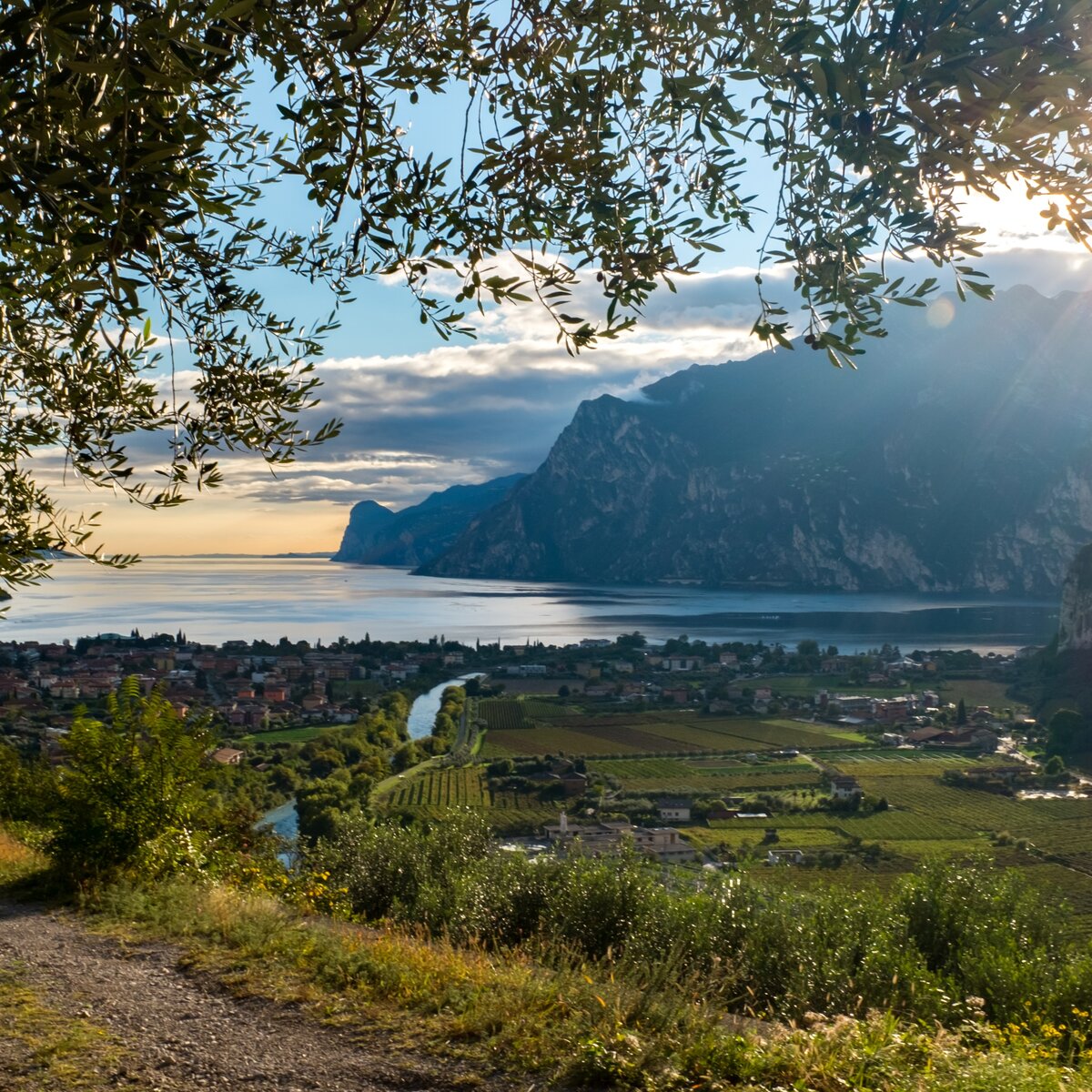
Surrounding the lake is a sub-Mediterranean landscape, where warm-climate species like holm oak, bay laurel, and laurels coexist with lakeside vegetation such as common reed. You’ll even find arbutus, lemon trees, and olive groves thriving nearby—clear signs of the area's unique climate.
 Offers