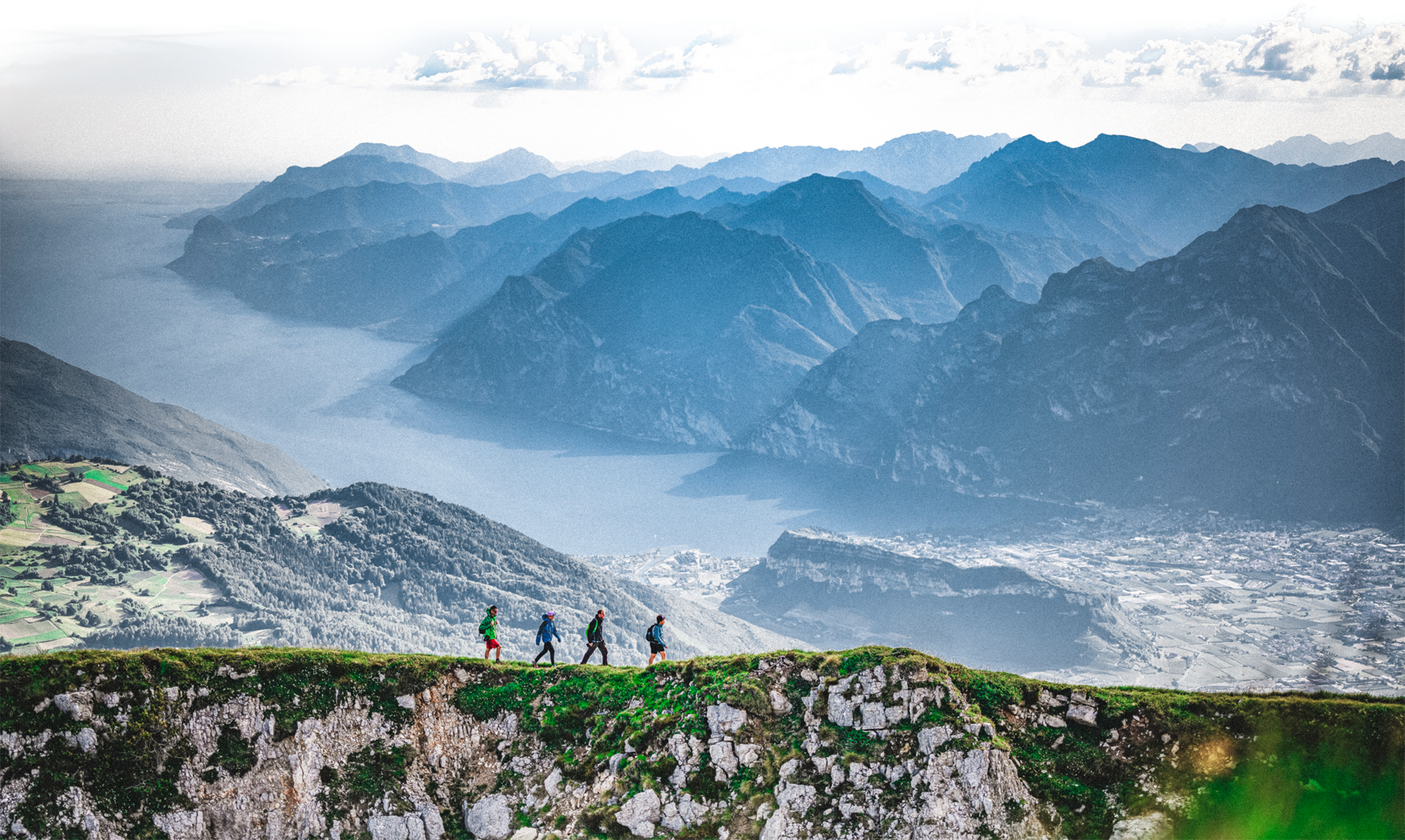
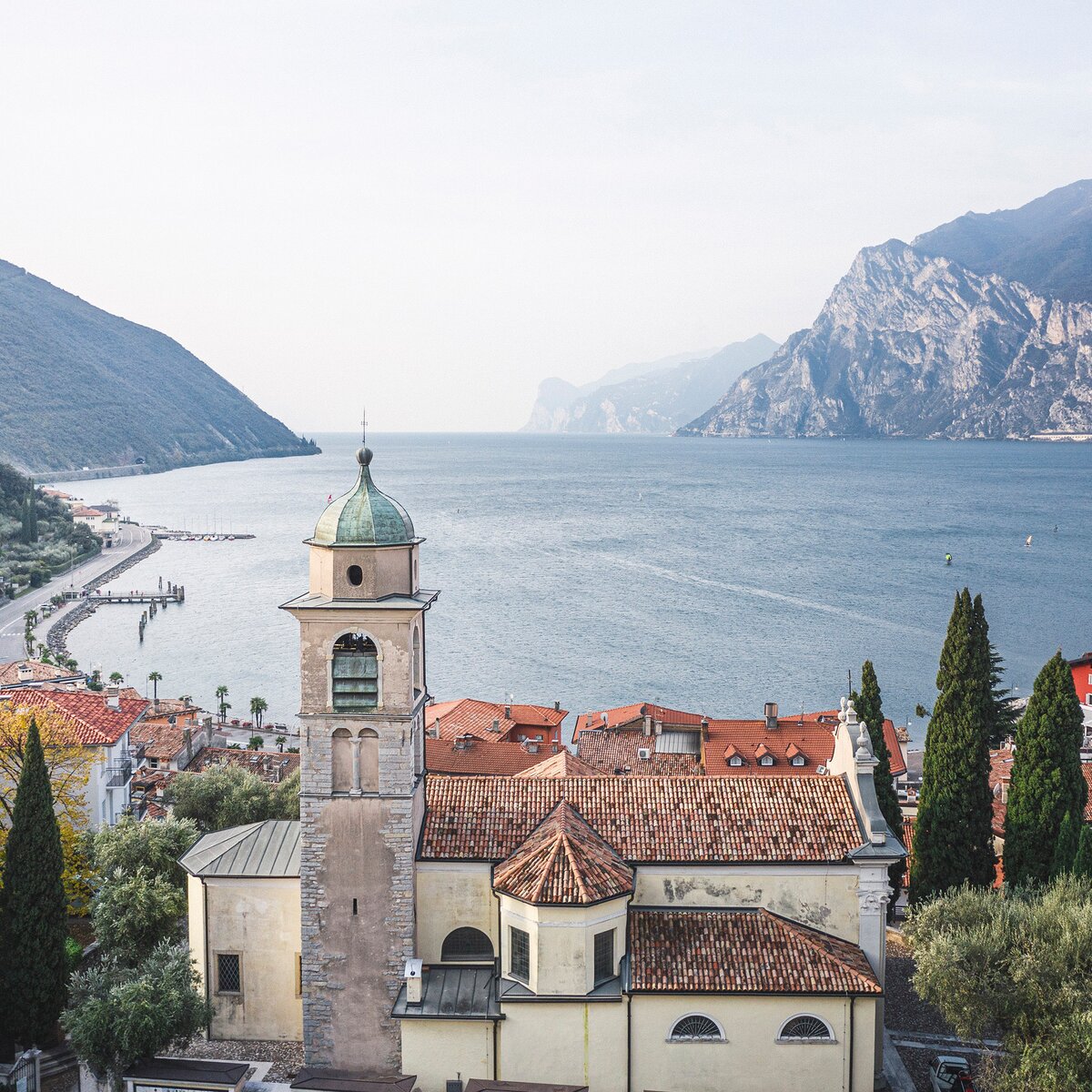
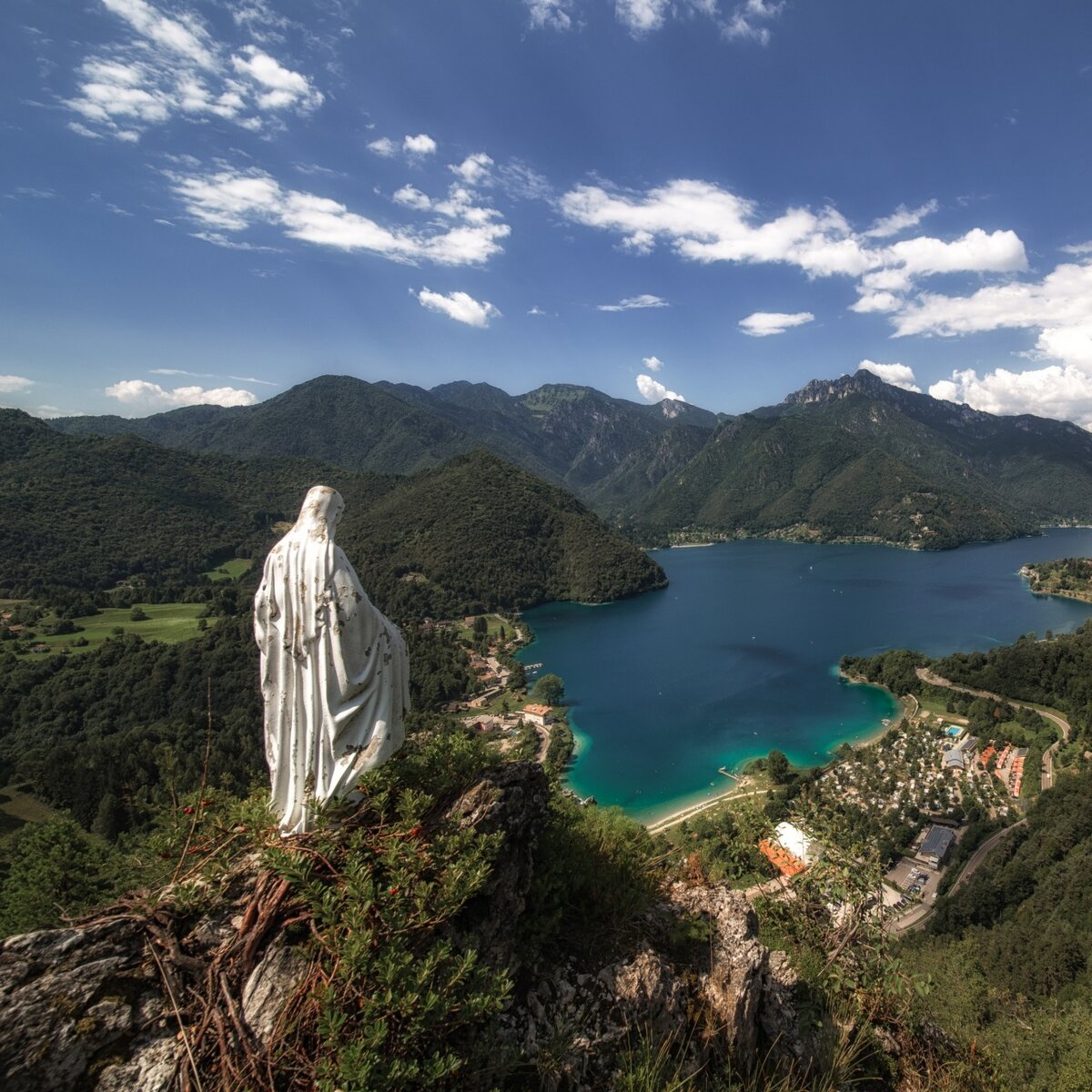
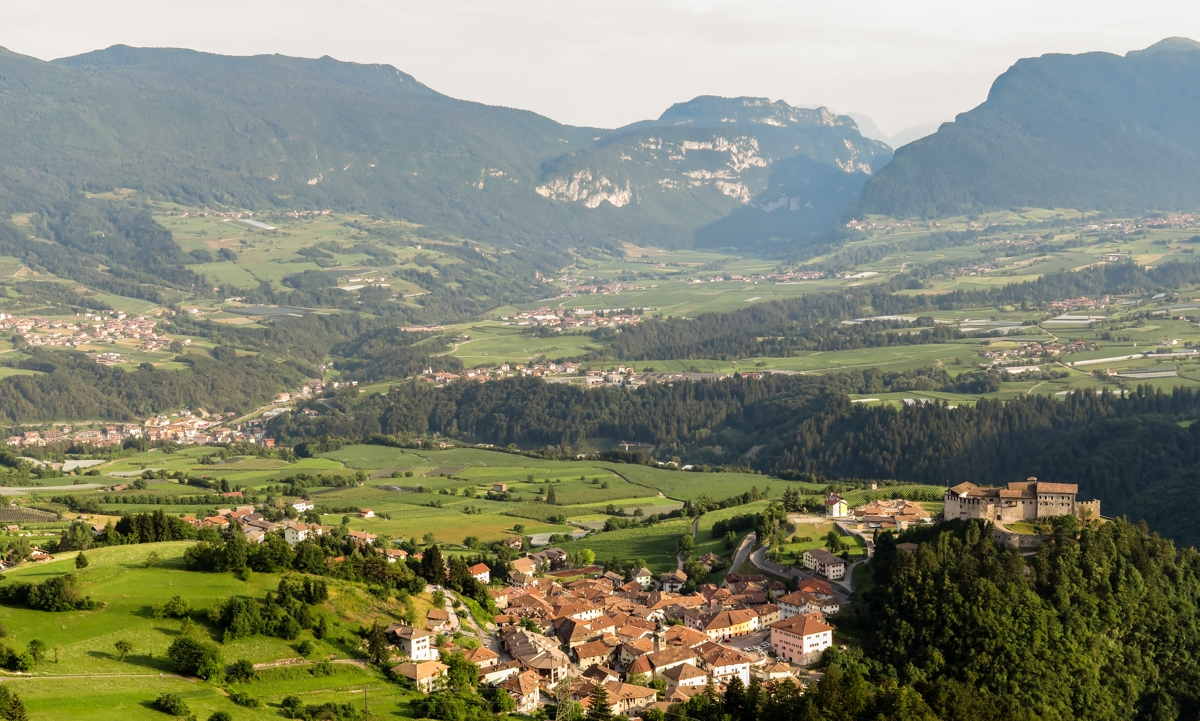
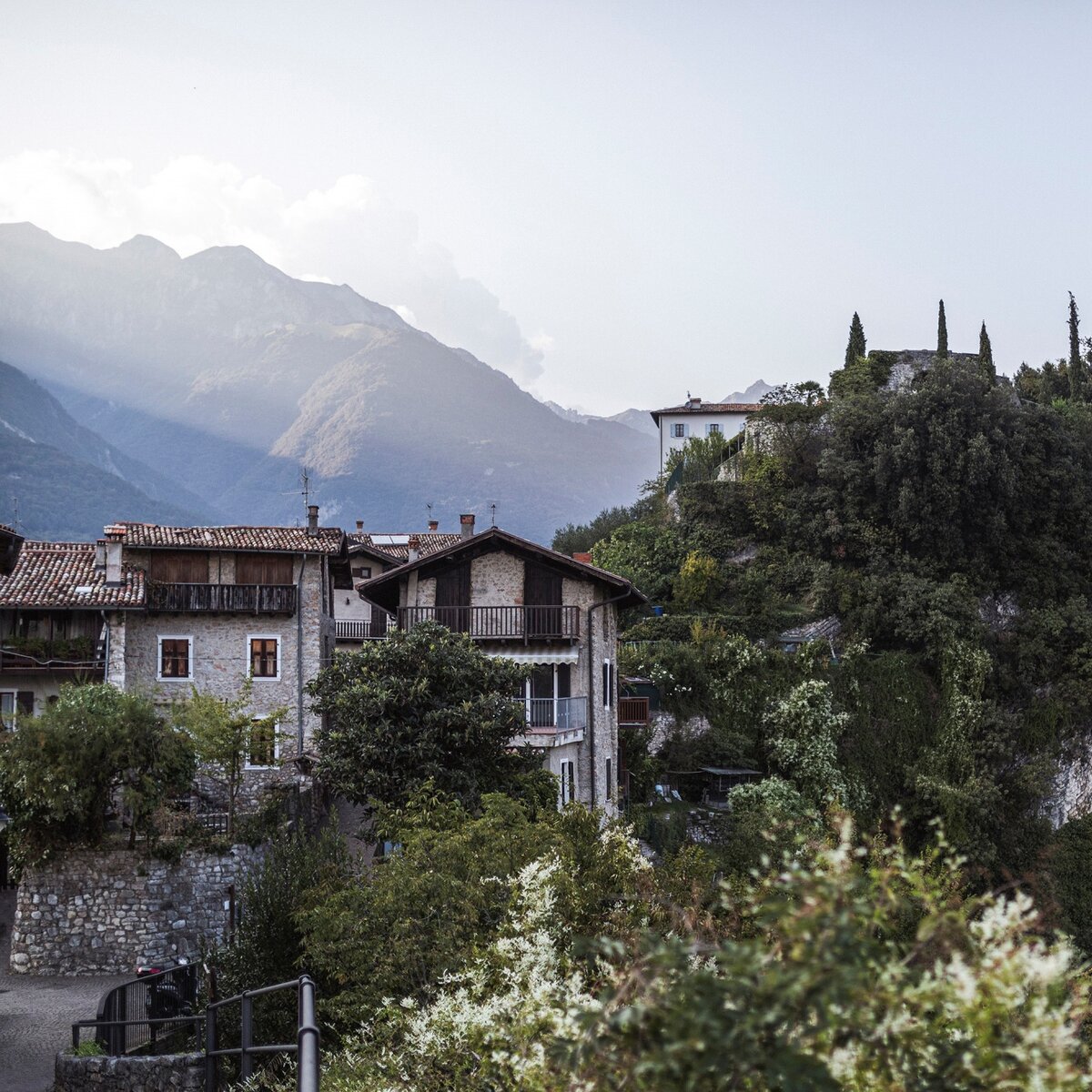
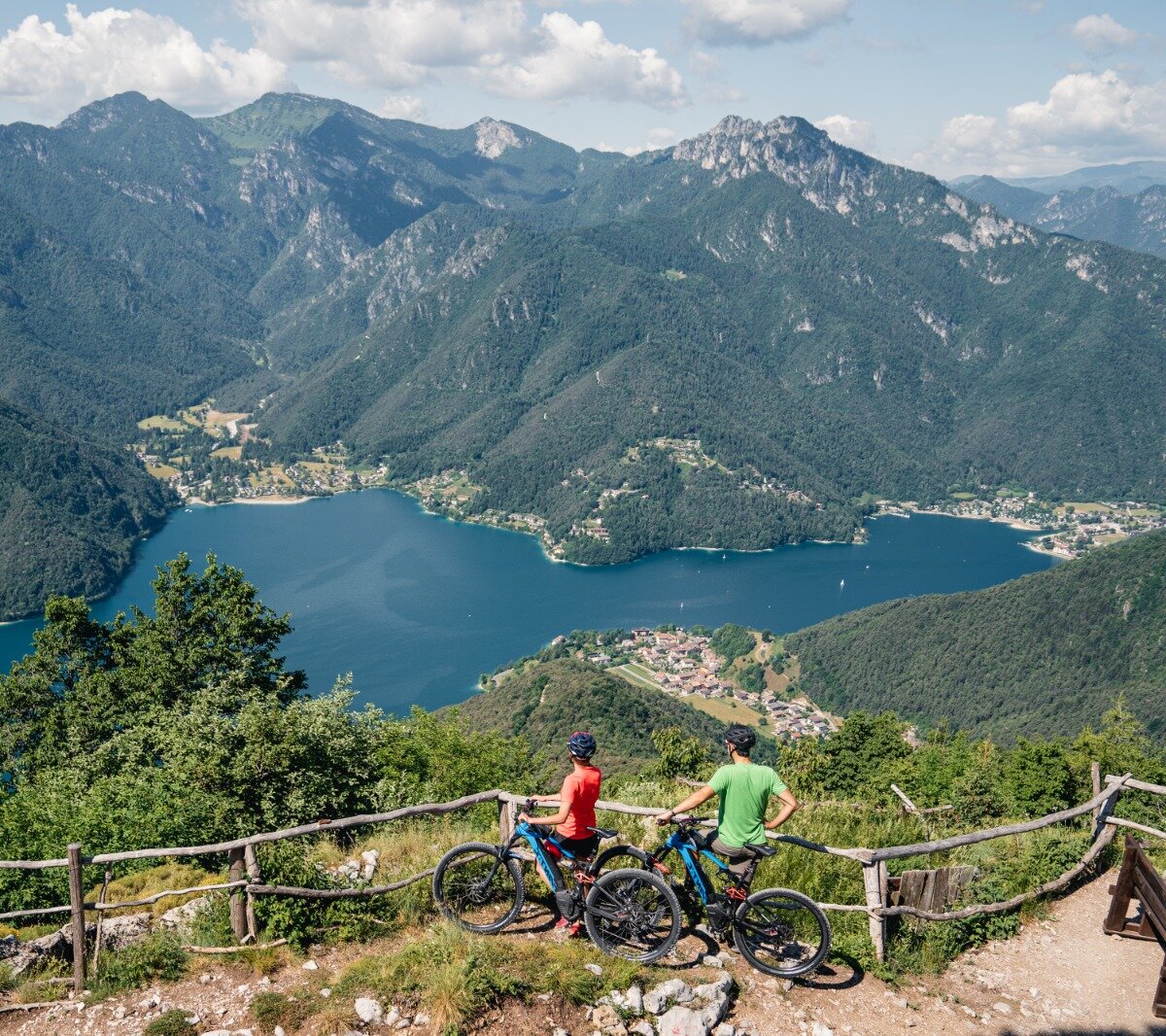
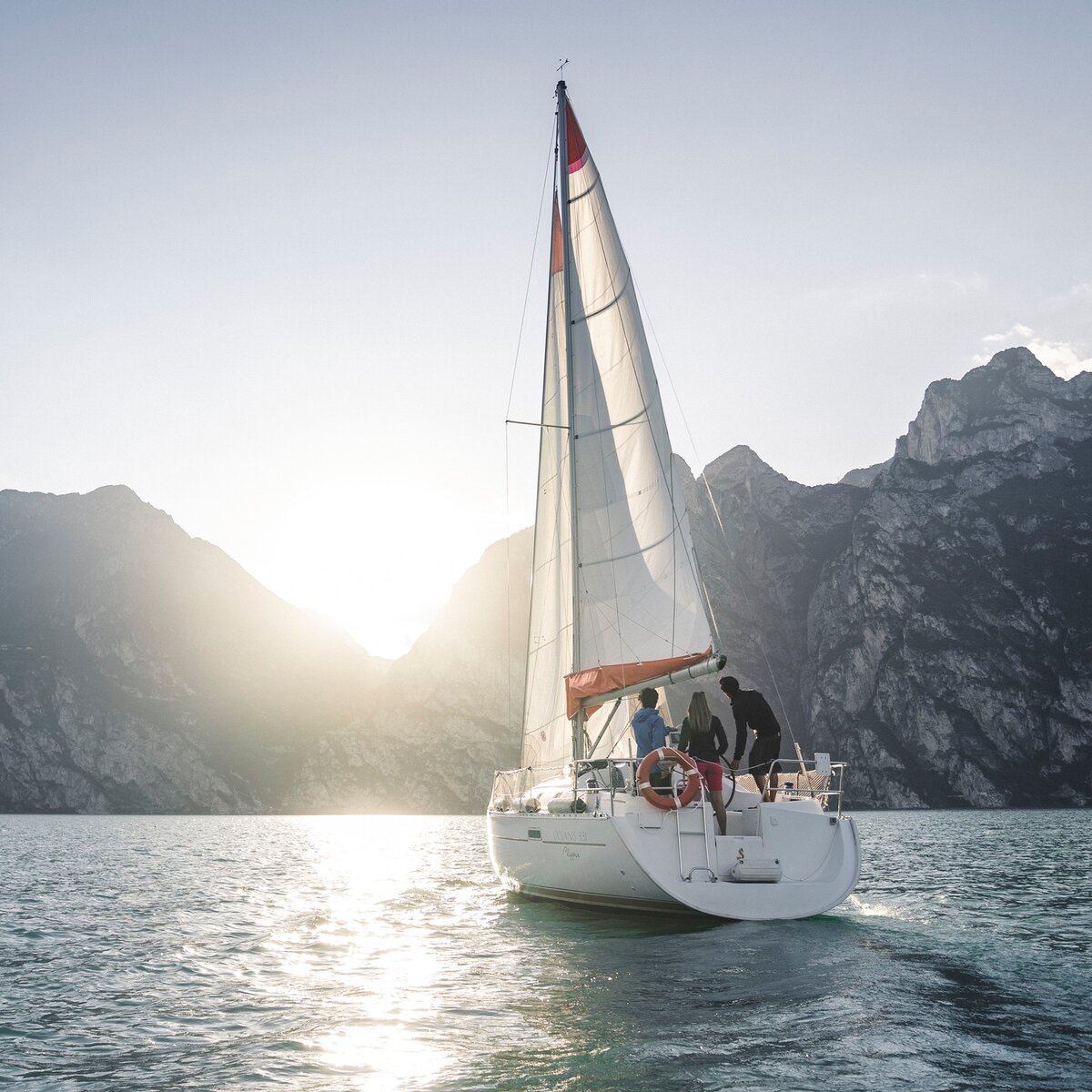
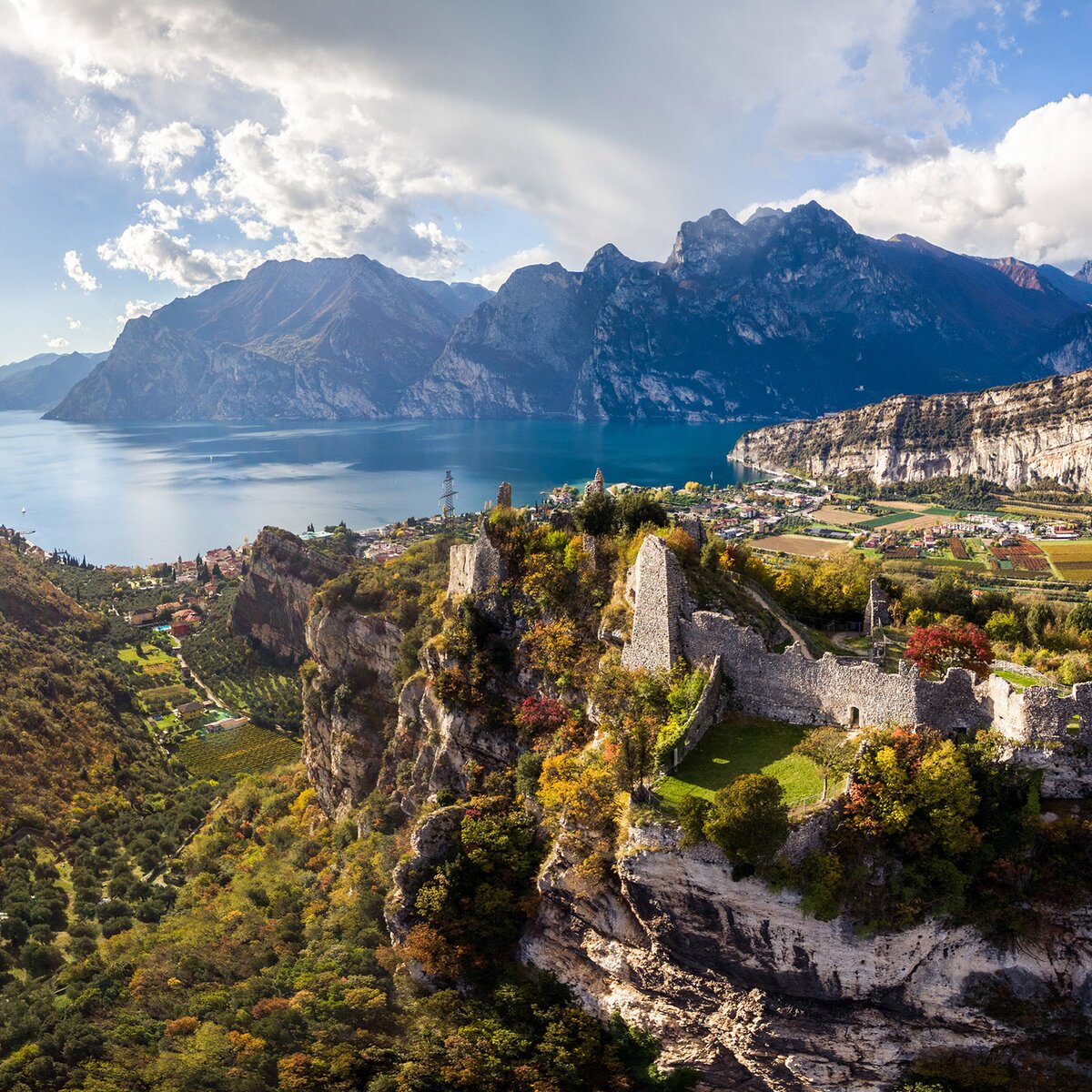
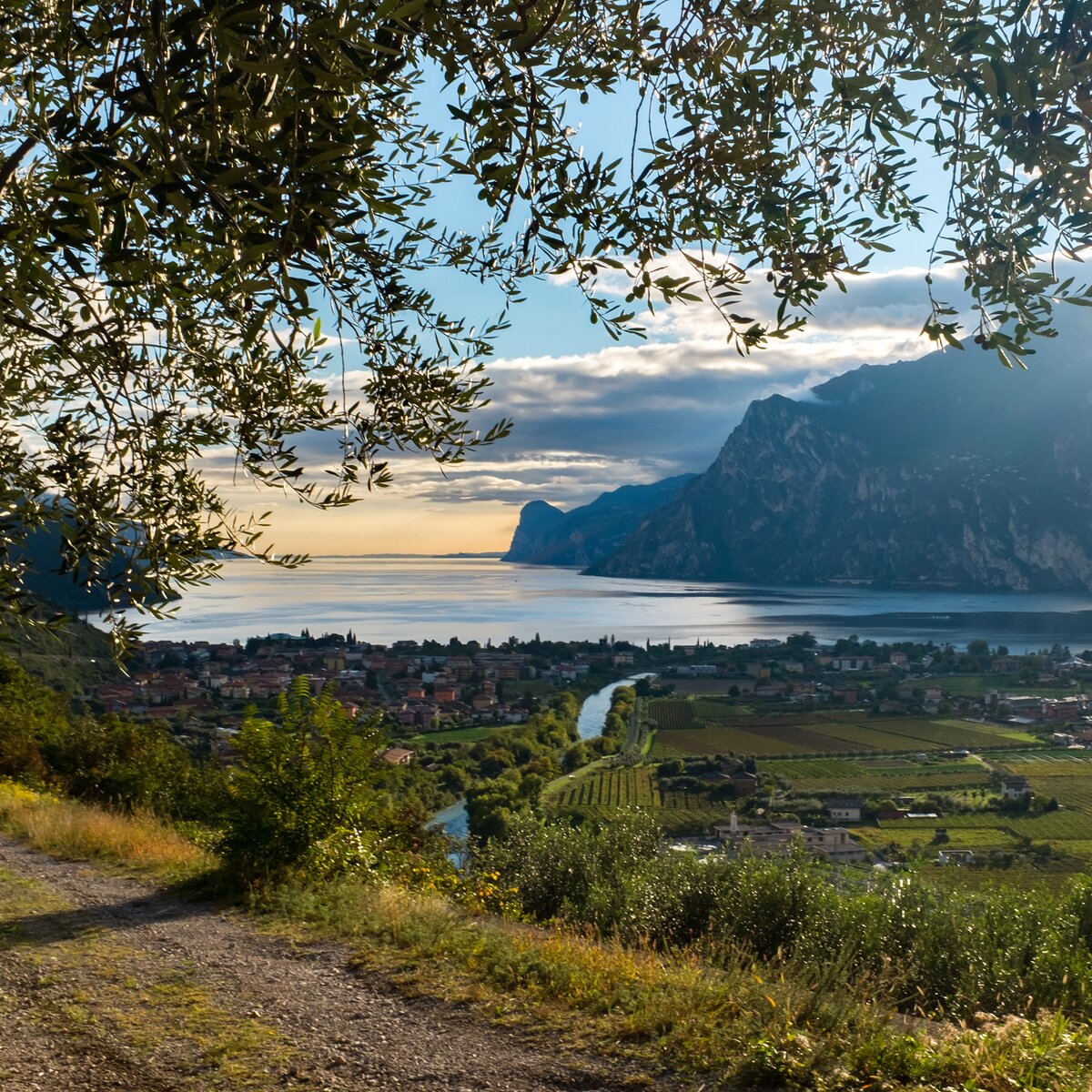
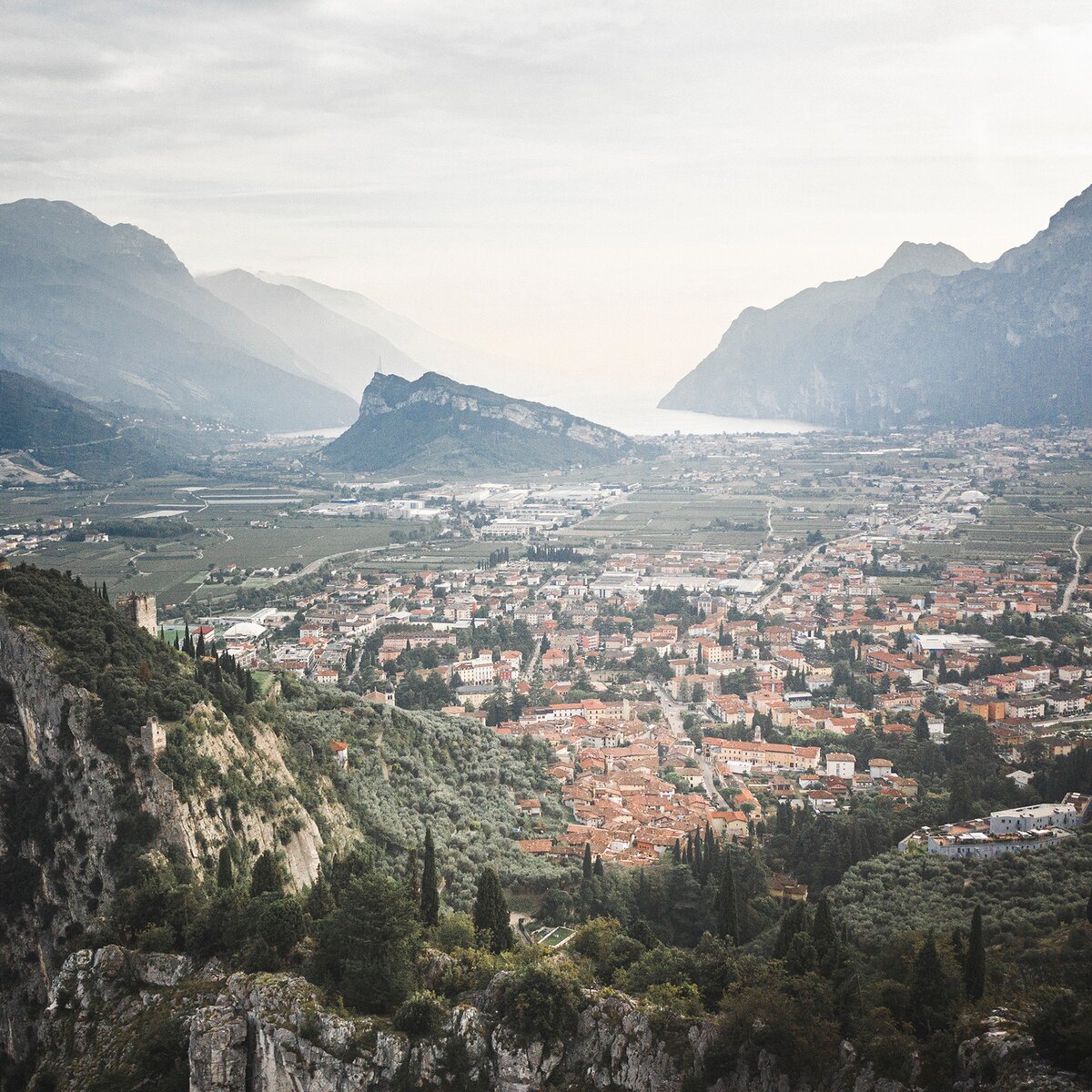
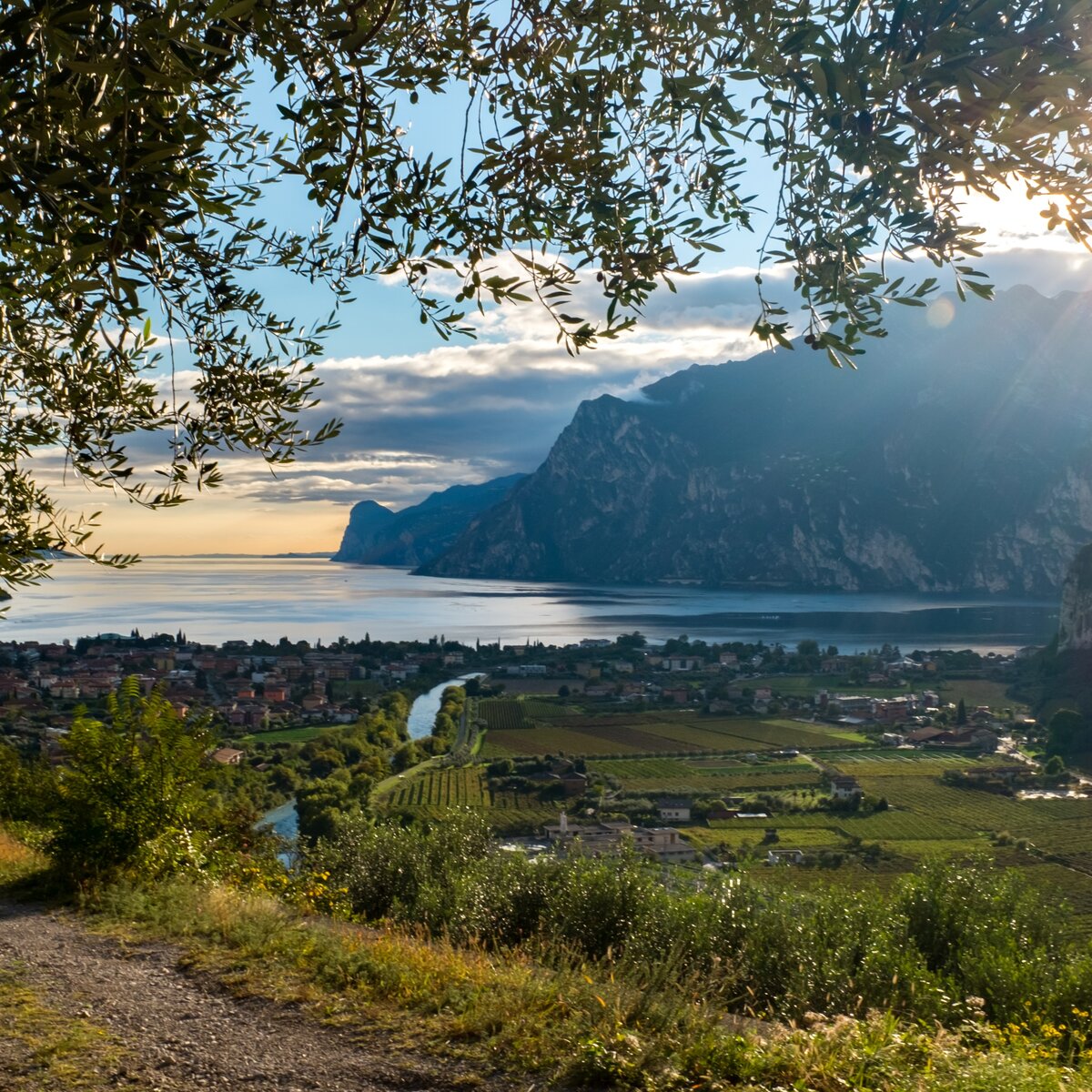
Garda Trentino is a unique region where lake and mountains coexist in a delicate natural balance. This very combination also makes it particularly sensitive to the effects of climate change.
Climate variations impact key aspects of the area — from water management to biodiversity, from forest health to the way natural spaces are experienced. These are issues that affect not only the quality of life for local communities, but also the experience of those who choose Garda Trentino as their holiday destination.
Understanding these changes is the first step towards addressing them.
What is happening in Garda Trentino? And what can we do, together, to take care of this place? Here you’ll find some answers to better understand climate change and its effects.
In Garda Trentino, climate change is visible through longer and hotter summers, periods of drought, and less regular but often more intense rainfall. Rising temperatures also contribute to glacier melt, which affects the overall balance of Alpine environments.
These changes are altering the natural balance between lake and mountains, with impacts on the environment, tourism, and local communities.
Yes. The Province of Trentino has developed a climate change adaptation strategy coordinated by APPA – the Provincial Agency for Environmental Protection, in collaboration with provincial departments and local scientific experts.
The strategy is based on the report “The State of the Climate in Trentino”, which analyses current evidence, future scenarios, and potential impacts of climate change on the region.
This document provides guidelines for developing concrete mitigation and adaptation actions, involving public institutions and scientific bodies with the aim of protecting the environment, biodiversity, water resources, and Trentino’s natural and cultural heritage.
Water quality in Garda Trentino is regularly monitored by the relevant institutions. Lake waters are analysed to ensure safety, ecological status, and suitability—especially during the bathing season.
The Provincial Healthcare Agency (APSS) carries out continuous monitoring at several sampling points across Trentino’s lakes, including Lake Garda. Controls include environmental parameters such as water temperature, wind and wave conditions, as well as bacteriological sampling and visual inspections.
In collaboration with APPA, the results are used to classify bathing water quality and inform residents and visitors.
Air quality in Garda Trentino is generally very good, thanks to natural ventilation and the limited presence of industrial activity.
APPA continuously monitors key indicators such as fine particulate matter (PM10 and PM2.5), ozone, and other pollutants. This data helps ensure air quality remains under control and allows for timely action if needed.
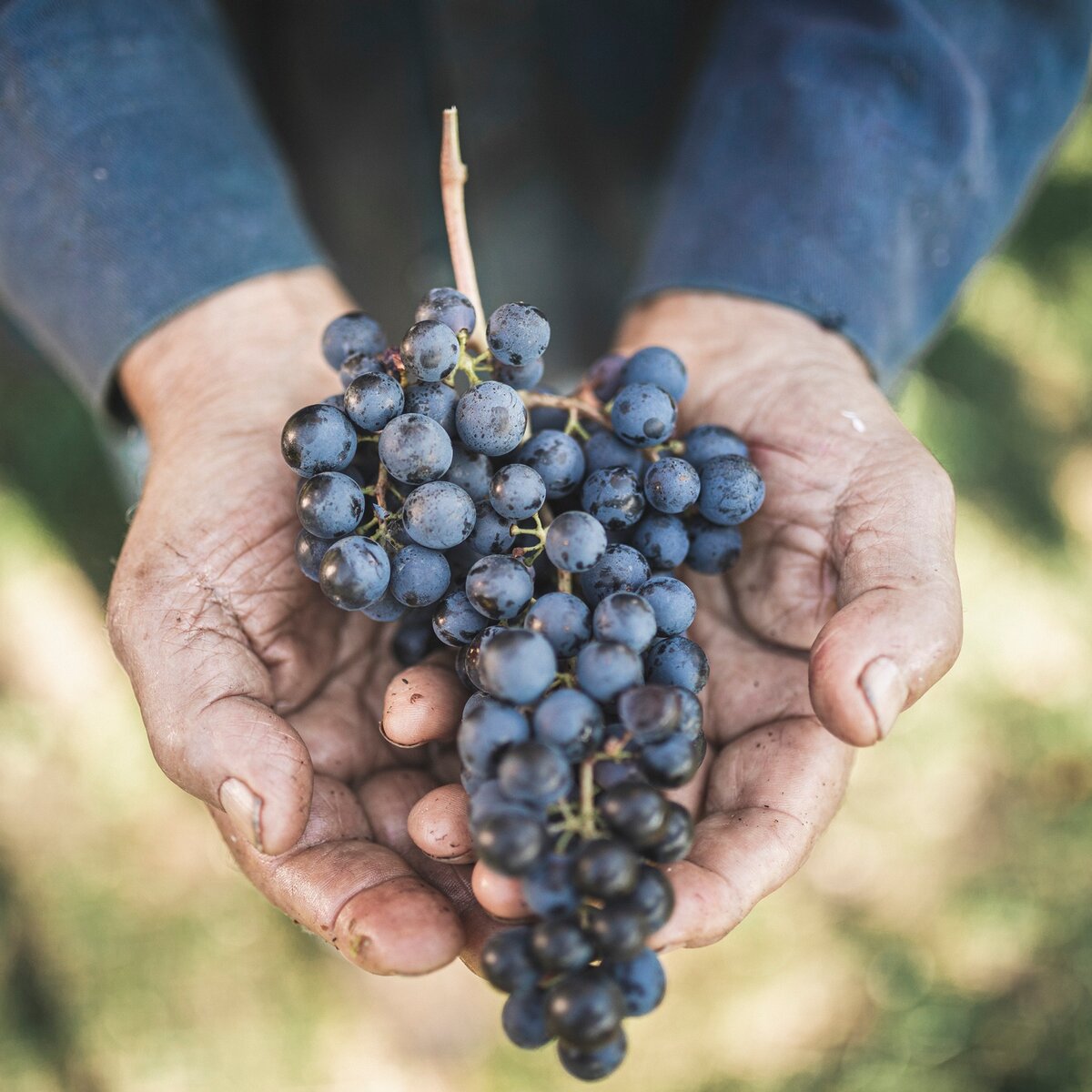
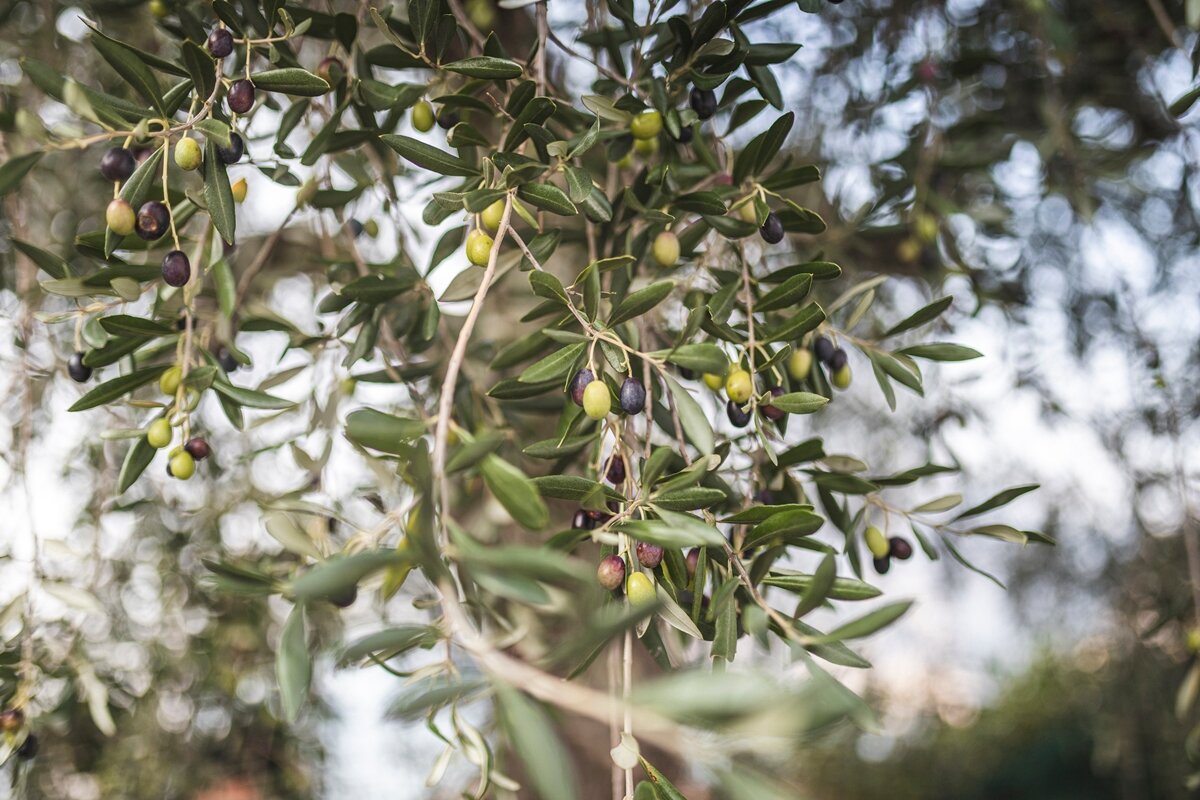
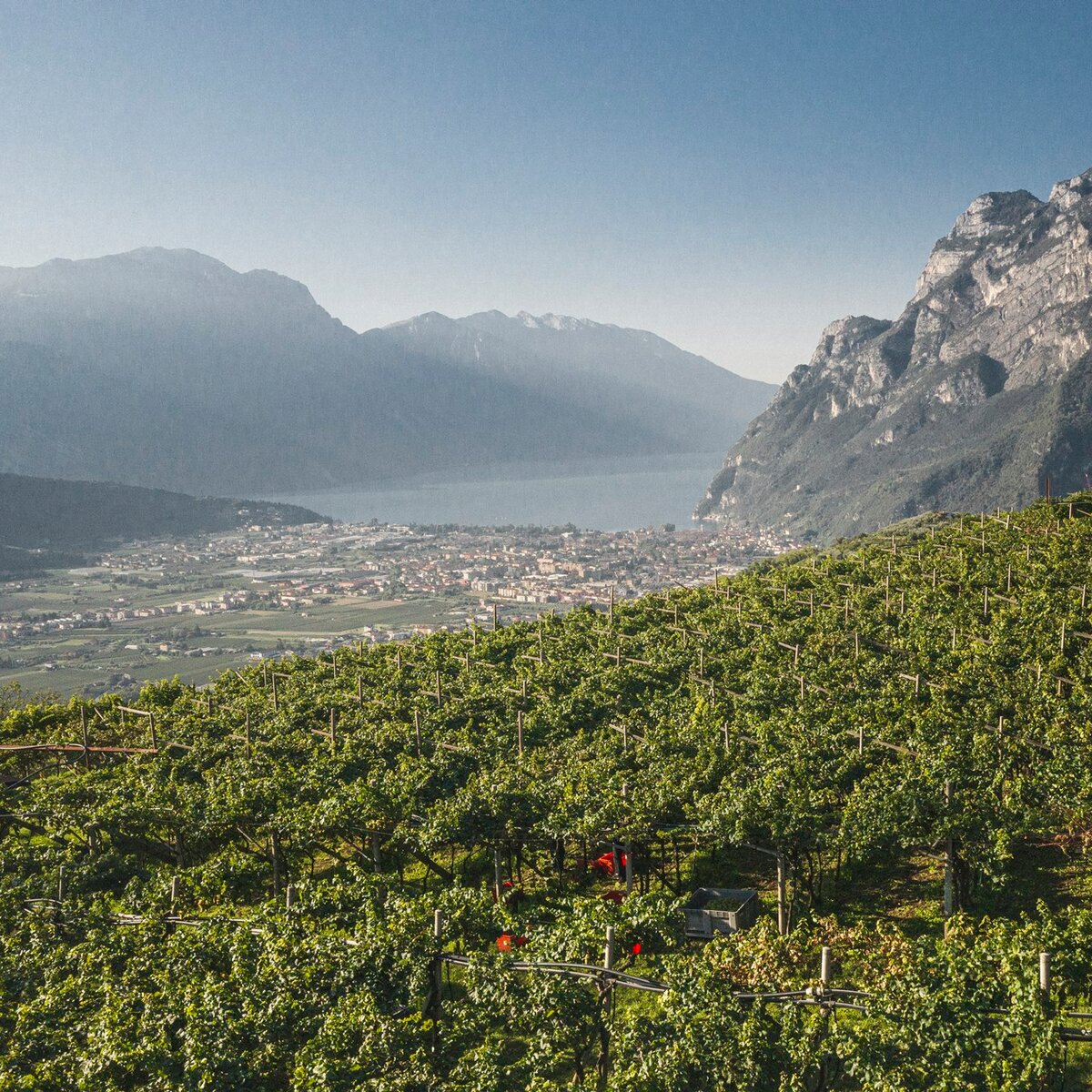
Garda Trentino benefits from a unique microclimate, with steady winds and mild temperatures that favour olive groves, vineyards, and vegetable cultivation. However, increasingly frequent heatwaves and water scarcity require more innovative and sustainable approaches.
To address these challenges, many farms are adopting advanced solutions, including:
These efforts are supported by local institutions and research centres such as the Trentino Reclamation Consortium and the Edmund Mach Foundation, which study climate trends and agricultural practices to improve water management and strengthen resilience.
Climate change impacts the natural balance of ecosystems. Higher temperatures, droughts alternating with heavy rainfall, and extreme weather events can alter habitats and put pressure on plant and animal species.
Some species struggle to adapt, while others change their life cycles or move to new areas. These shifts can disrupt local ecosystems and make biodiversity protection even more important.
Biodiversity in Garda Trentino is protected through a network of protected areas and nature reserves, managed by public bodies and local initiatives working to preserve habitats, flora and fauna.
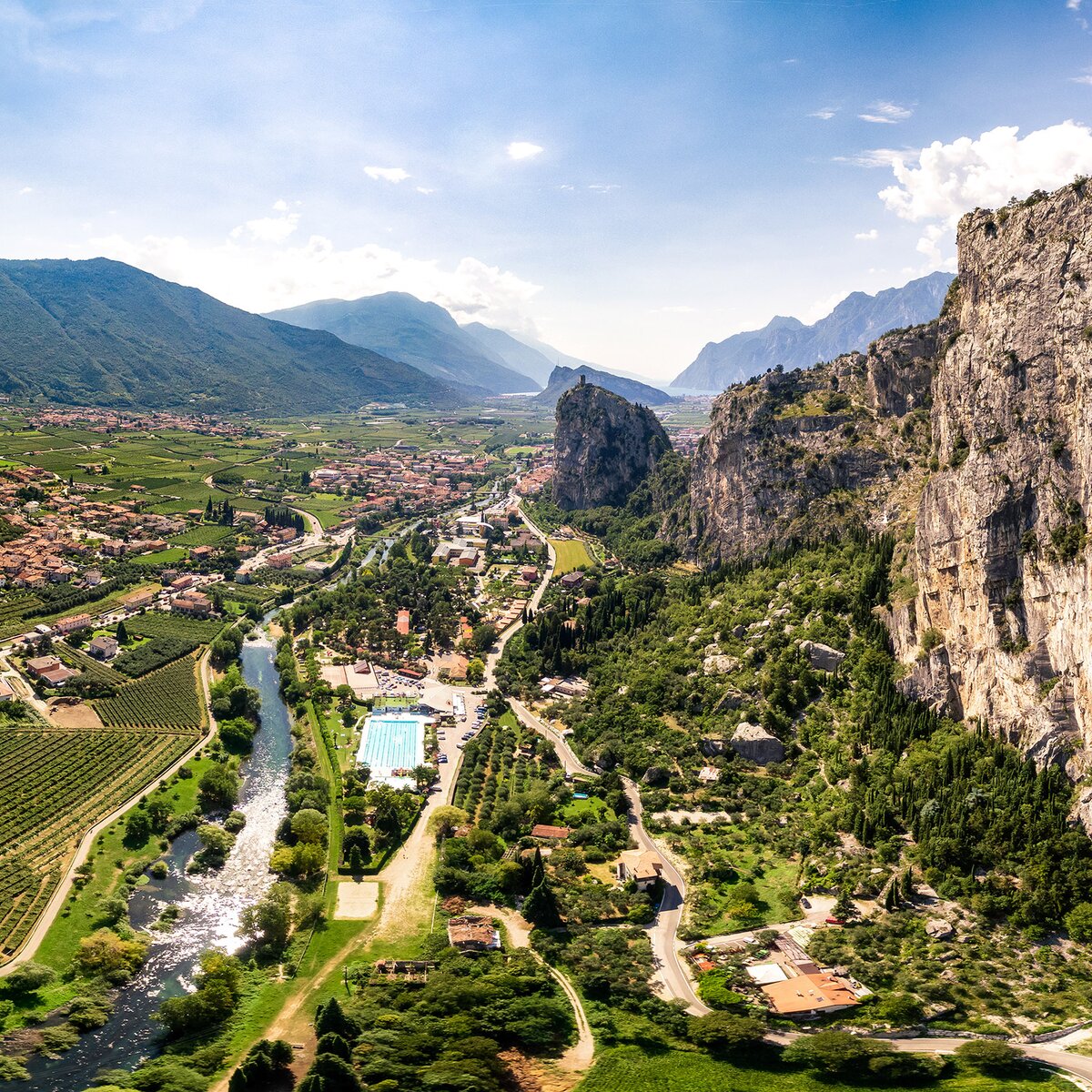
Key areas include the Sarca River Park, an ecological corridor linking Lake Garda with the inland valleys, and the Adamello Brenta Nature Park, the largest protected area in Trentino.
The Ledrensi Alps and Judicaria Biosphere Reserve, recognised by UNESCO, also plays a key role, along with local sites such as the Marocche di Dro Nature Reserve and Monte Brione, part of the Natura 2000 network.
The Autonomous Province of Trento coordinates these efforts, working with local communities and research institutions to strengthen biodiversity protection over time.
Yes. Garda Trentino offers many public activities dedicated to nature and biodiversity.
These include guided tours, workshops and educational experiences in protected areas such as the Adamello Brenta Nature Park, the Sarca River Park and other local reserves.
The MUSE – Science Museum of Trento also organises exhibitions, interactive activities and events focused on environmental topics.
In addition, local ecomuseums, such as those of the Valle dei Laghi and Judicaria, offer themed routes, cultural events and workshops exploring the relationship between communities, nature and traditional land-use practices.
Visitors can also help care for Garda Trentino through simple everyday actions.
Choose sustainable mobility
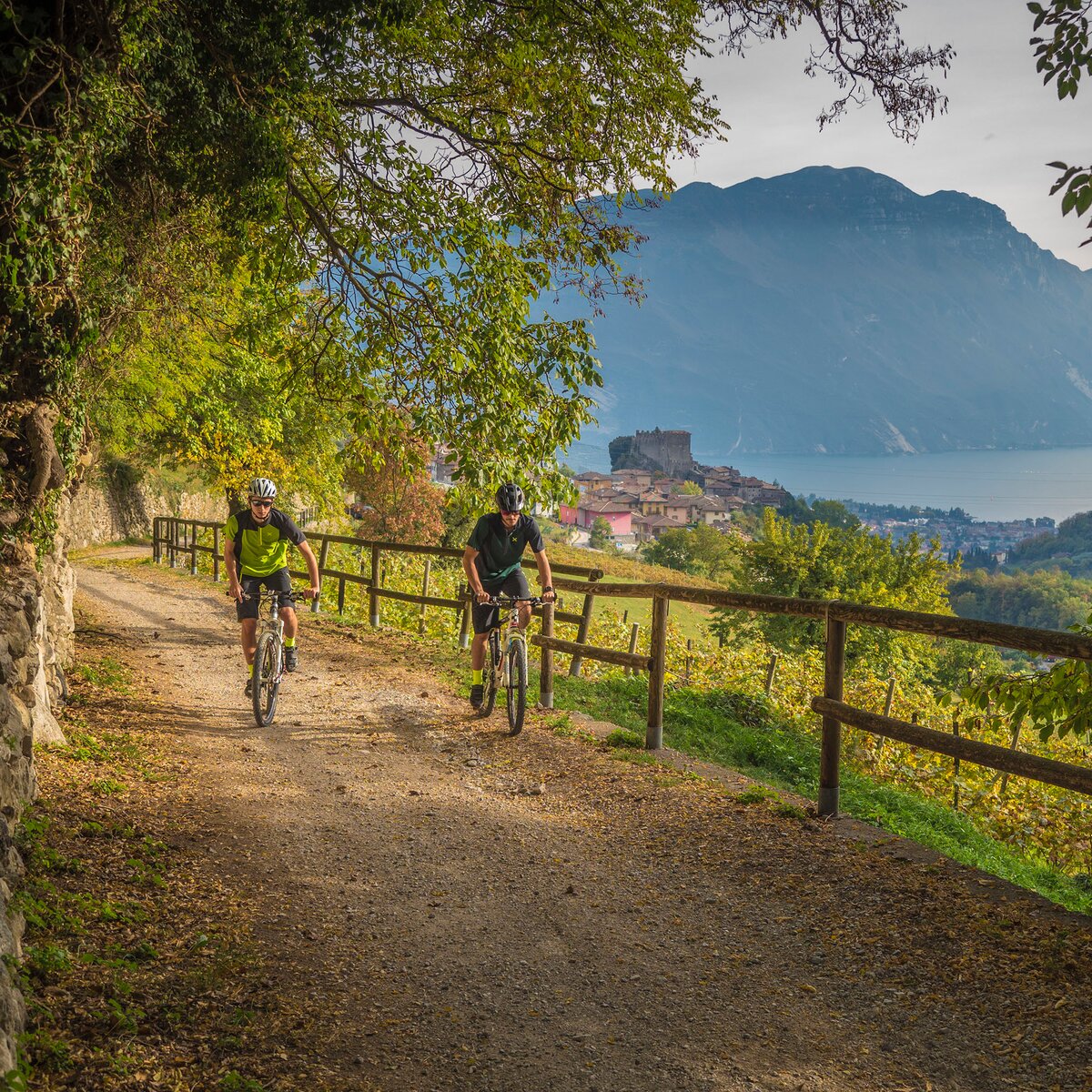
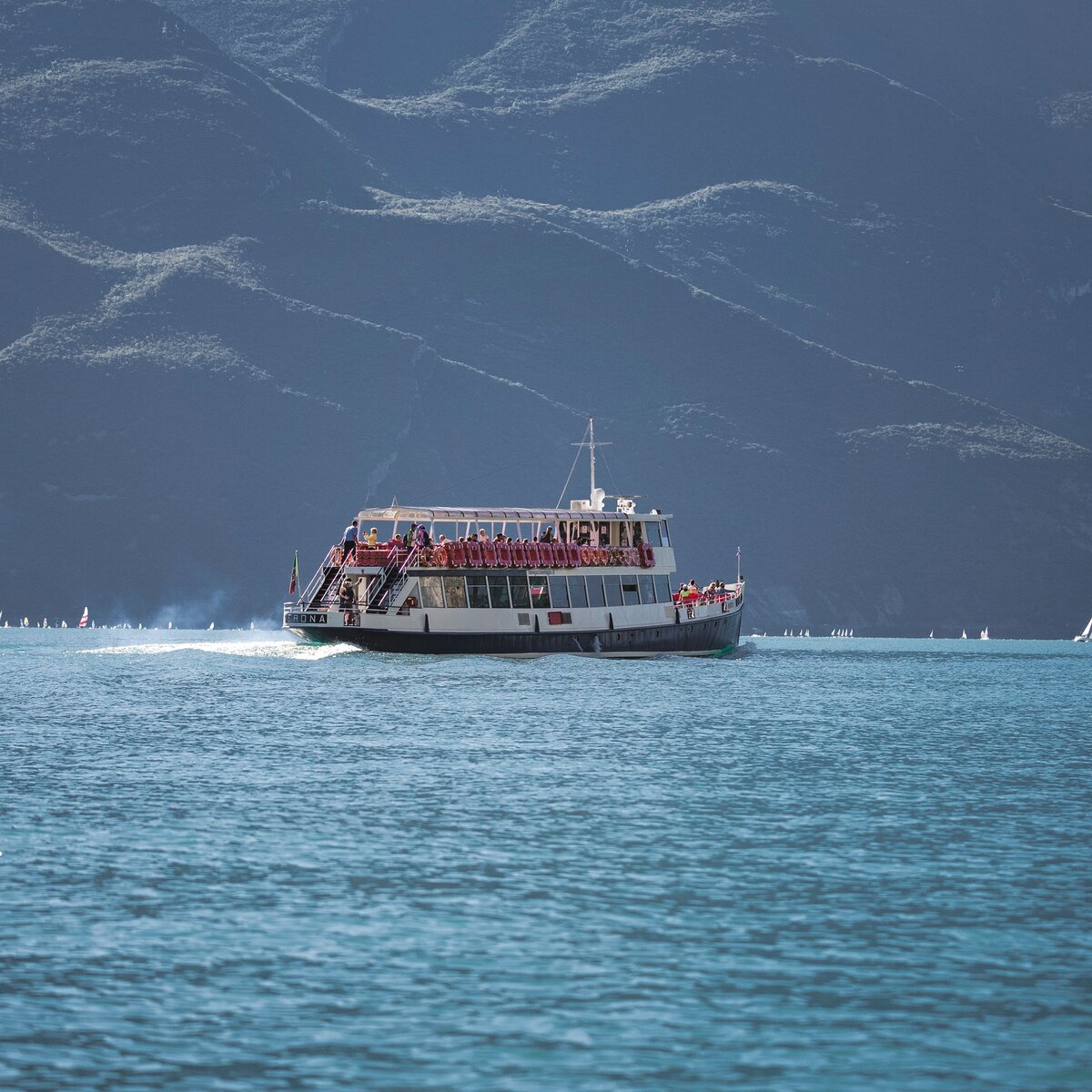
Explore the area without a car using cycling paths, hiking trails, lake boats or services like Bus&Go.
Respect nature
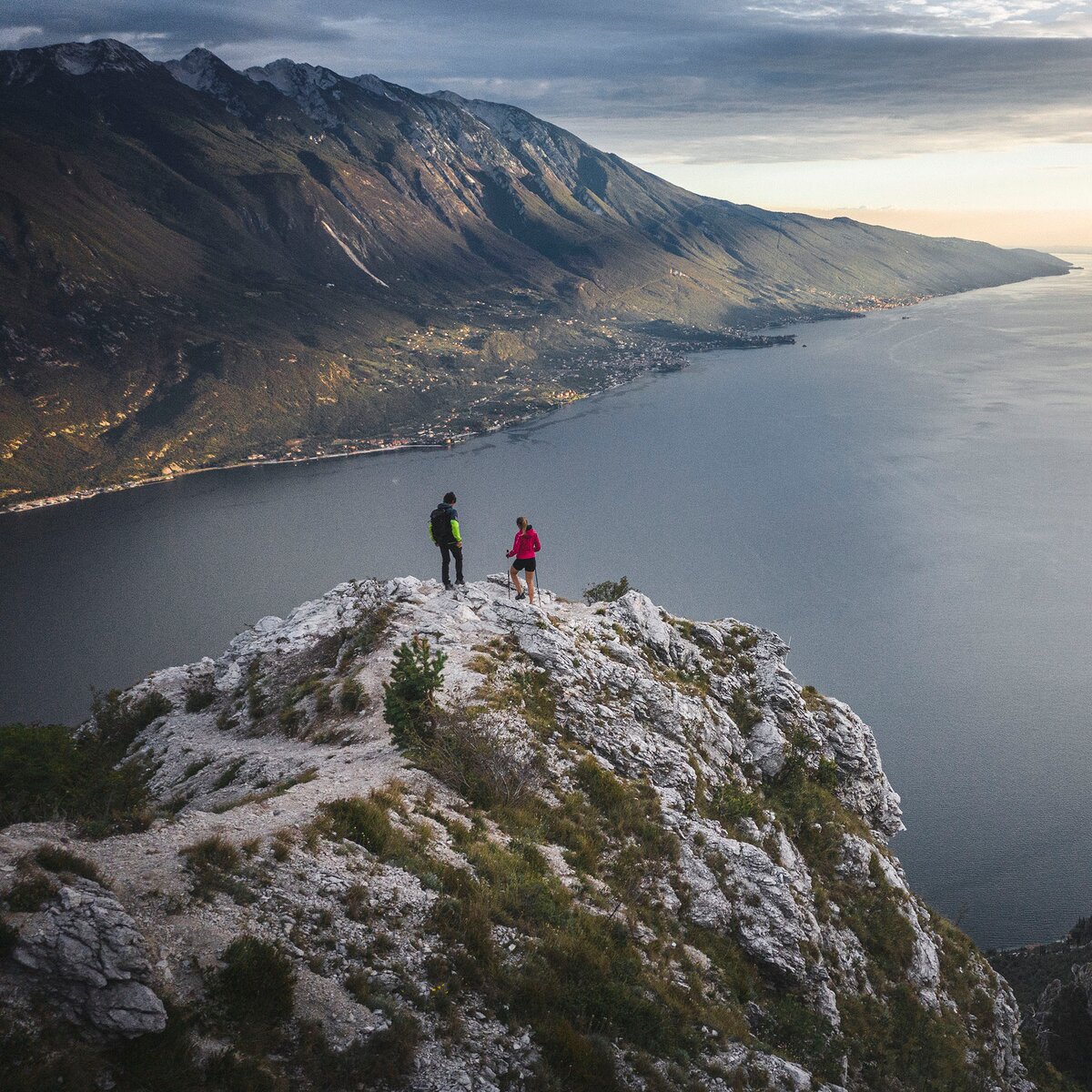
Do not leave waste behind, stay on marked trails and respect flora and fauna, especially in protected areas.
Choose low-impact experiences
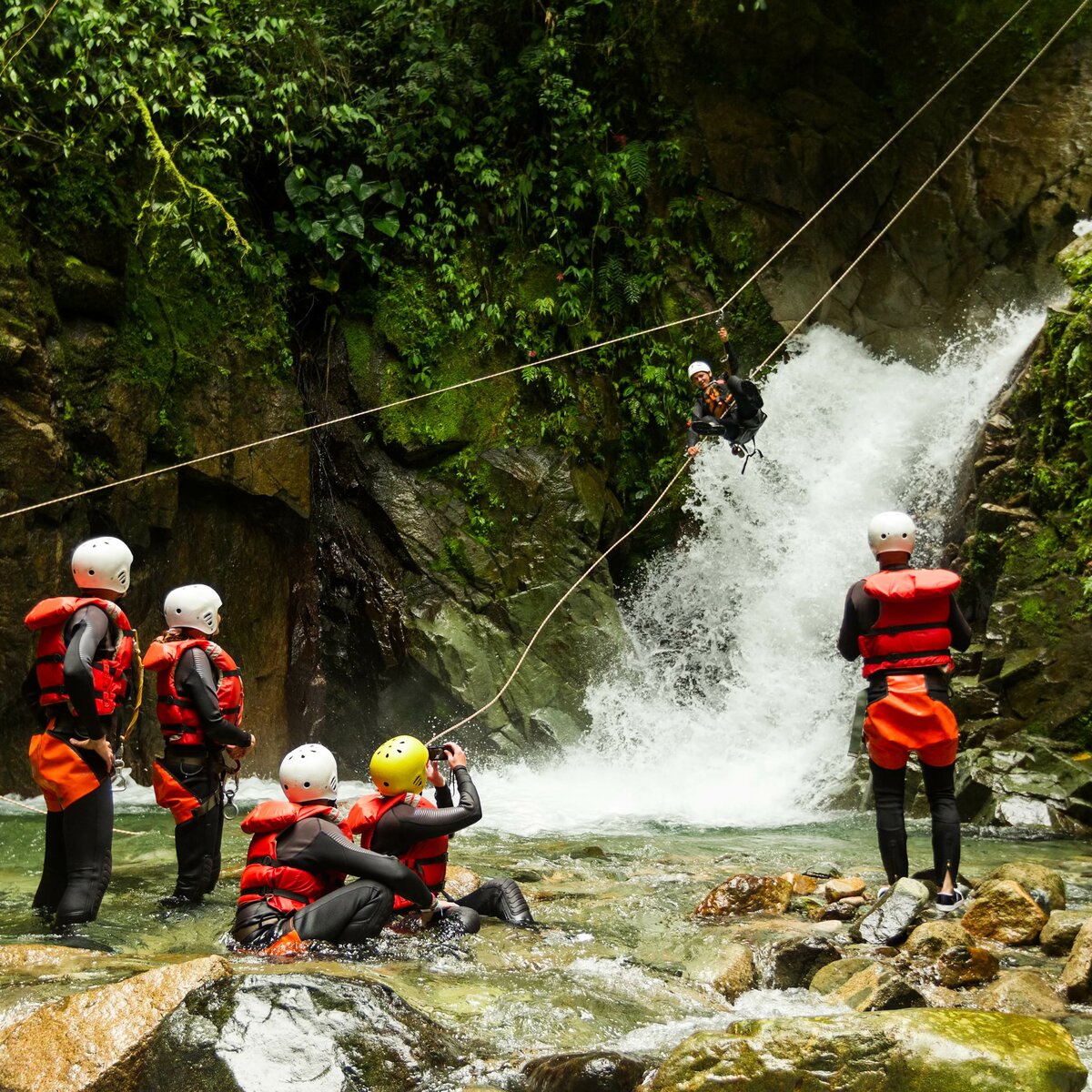
Garda Trentino Experiences offer activities organised by local operators committed to sustainability.
Adopt responsible habits during your stay
Save water, use air conditioning mindfully, and switch off lights and devices when not needed.
Discover local products
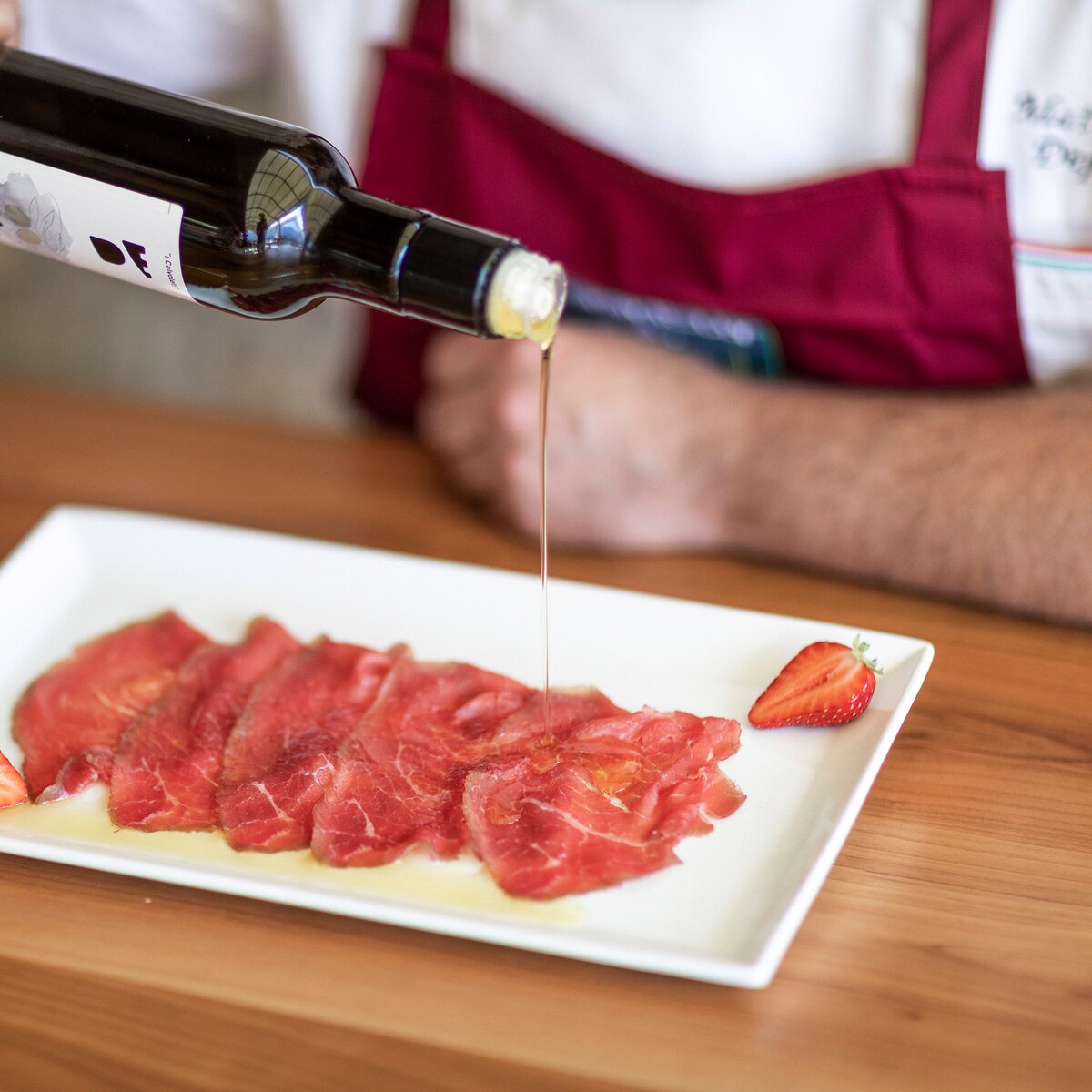
Choosing local products—such as Garda olive oil, vegetables from the Valle di Gresta, and other regional specialities—supports the local economy and reduces environmental impact.
Want to learn more? Read our tips on how to make a difference.
 Offers