For archaeology fans, an open air museum
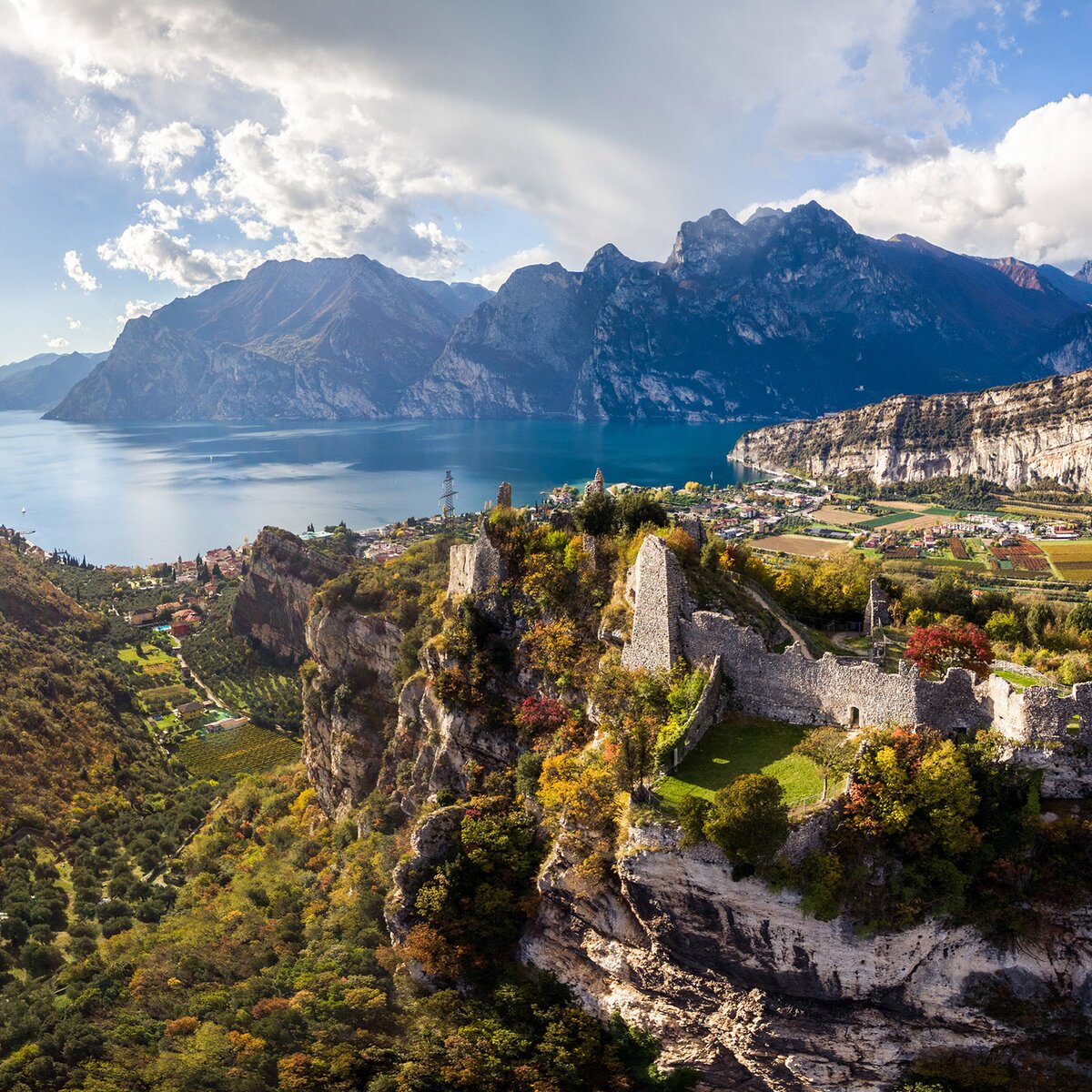
In the Loppio Lake nature reserve, Sant’Andrea Island is a small open-air archaeological site.
A place where you can read traces of history directly in the landscape, from prehistoric times to the First World War.
Recent excavations have uncovered the remains of a fortified settlement (castrum) dating from the 5th to 7th centuries AD, including sections of defensive walls and buildings.
Its position along the route between Lake Garda and the Adige Valley highlights its strategic role in controlling the area.
At the top of the island are the remains of a Romanesque church dedicated to Saint Andrew, likely built in the 12th century on an earlier sacred site.
After it disappeared, a votive shrine was erected in the 17th century, now partially preserved.
Other structures from the 14th to 16th centuries show that the site remained in use over time.
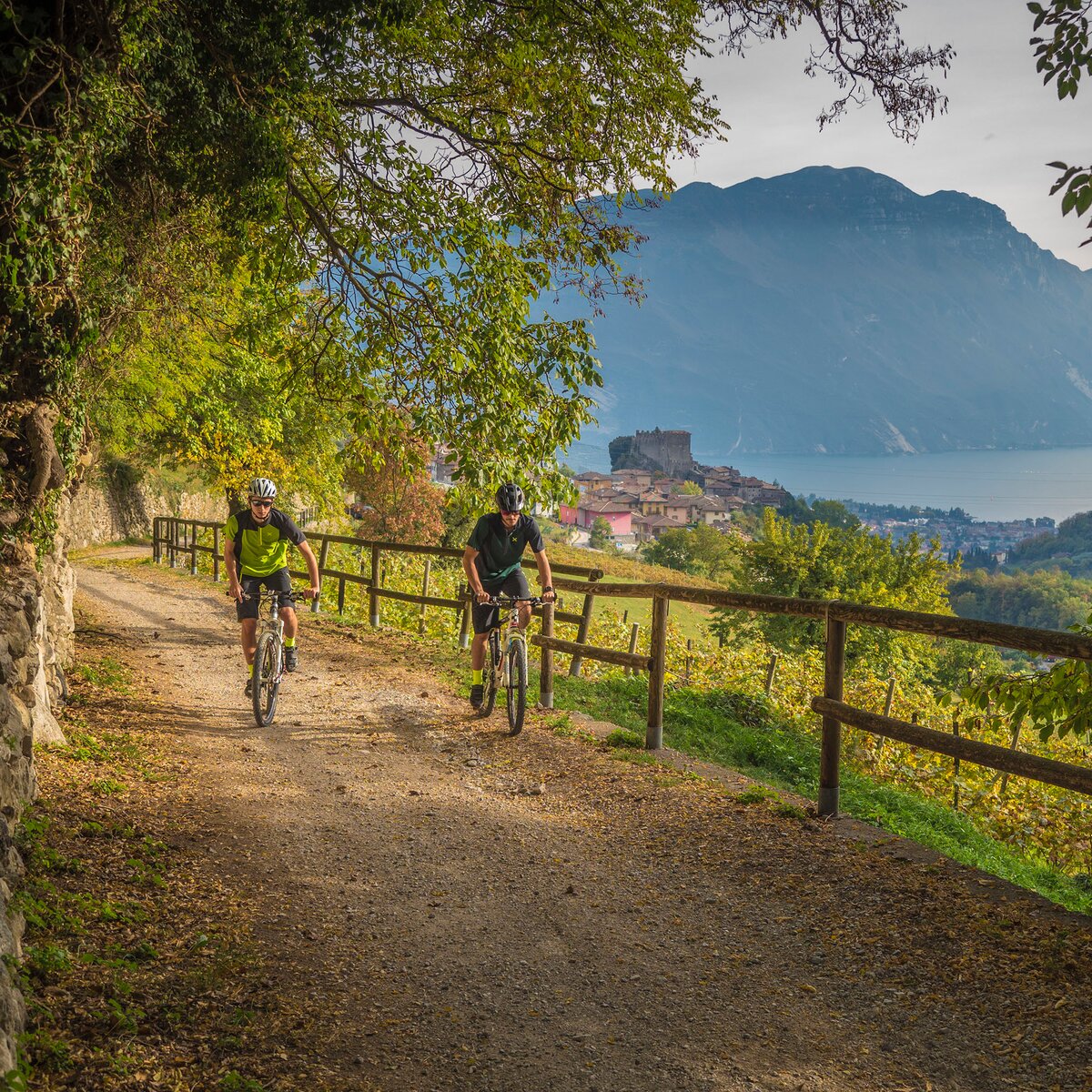
The island can be reached on foot from the cycle path between Passo San Giovanni and Loppio.
A short crossing leads over the canal to a loop path connecting the main points of interest.
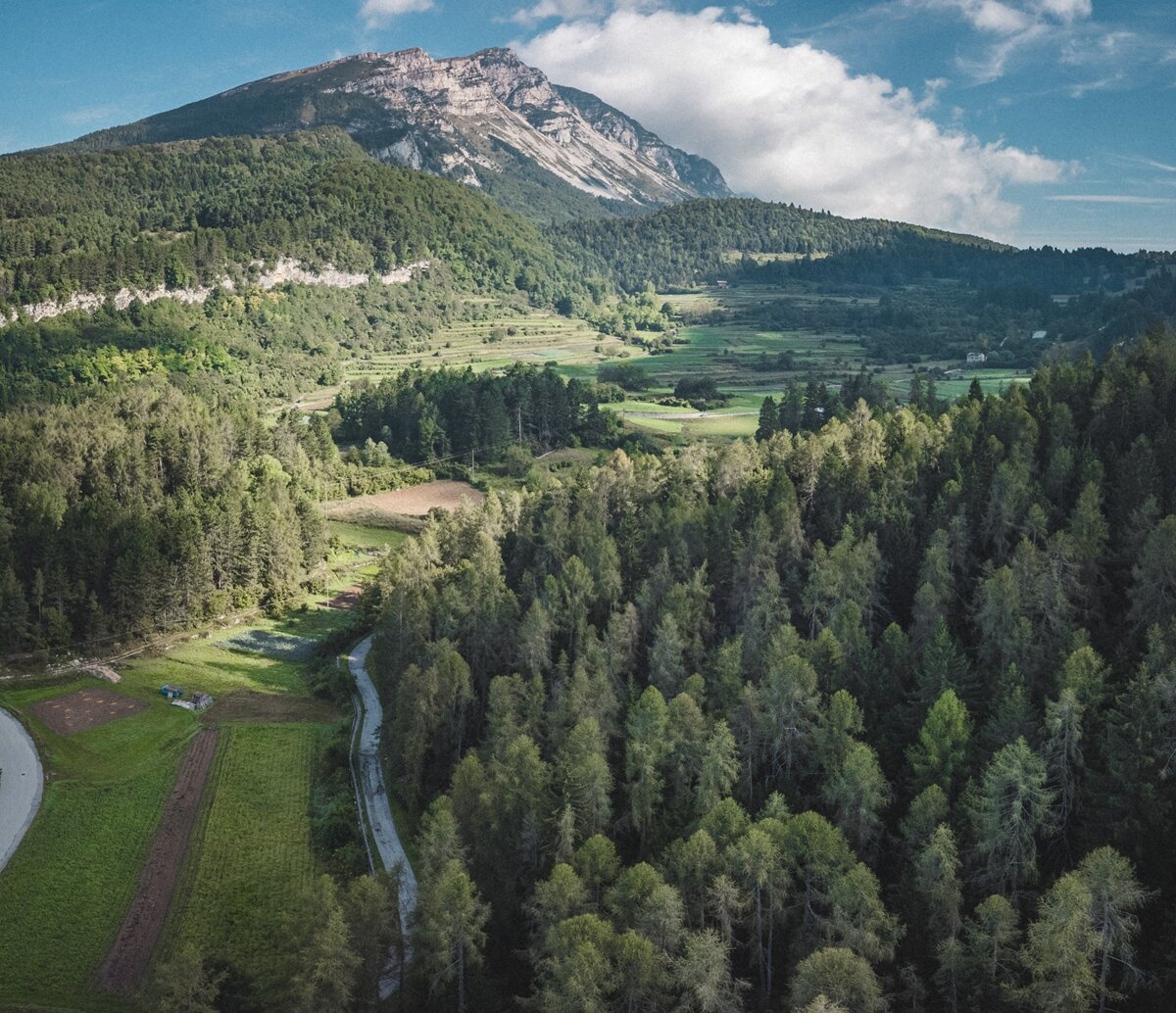
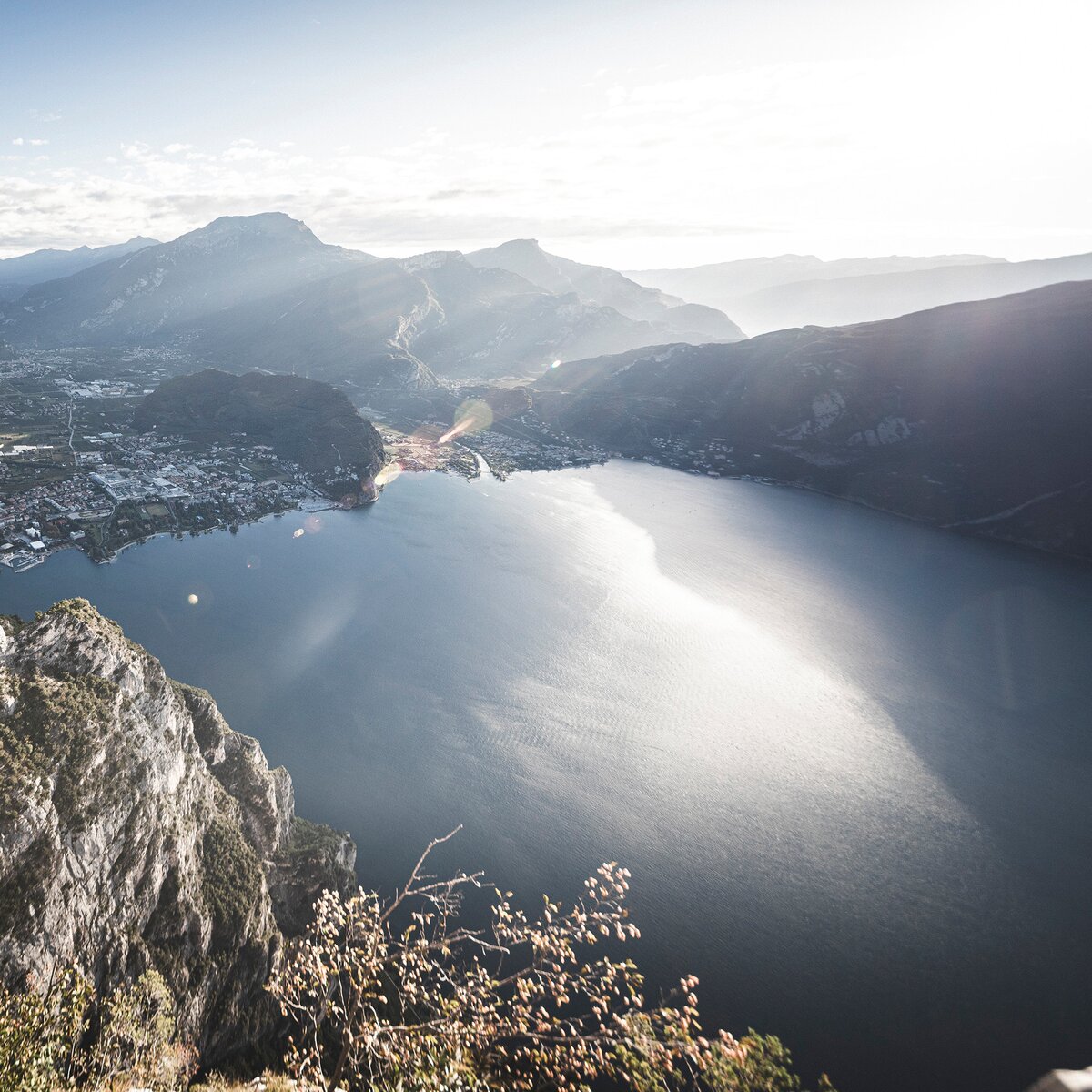
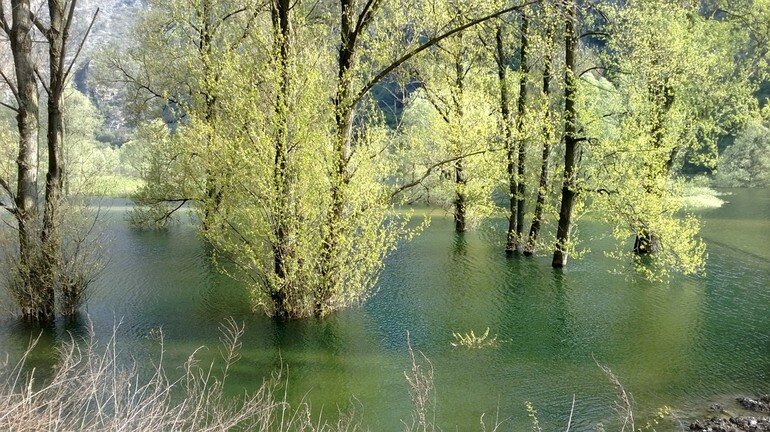
From the higher section, there are open views over the Loppio wetland, with reeds and shallow water areas.
The unearthed structures are presented through informative panels featuring clear and concise explanations.
Thanks to integrated QR codes, visitors can easily access more in-depth information about the findings.
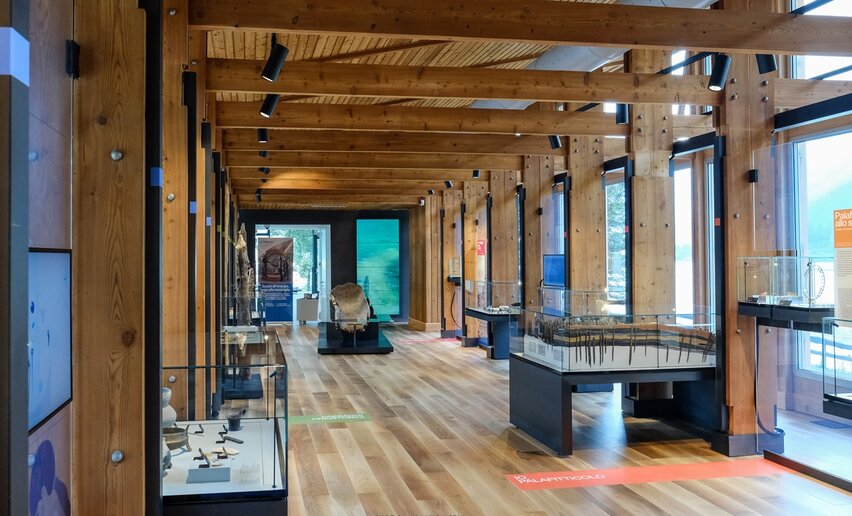
The recovered artefacts are now housed at the Fondazione Museo Civico di Rovereto.
Guided tours in Italian are available on request for a fee:
+39 0464 452800 (Fondazione Museo Civico di Rovereto - www.fondazionemcr.it)
 Offers